




From Goop to Glow-Up
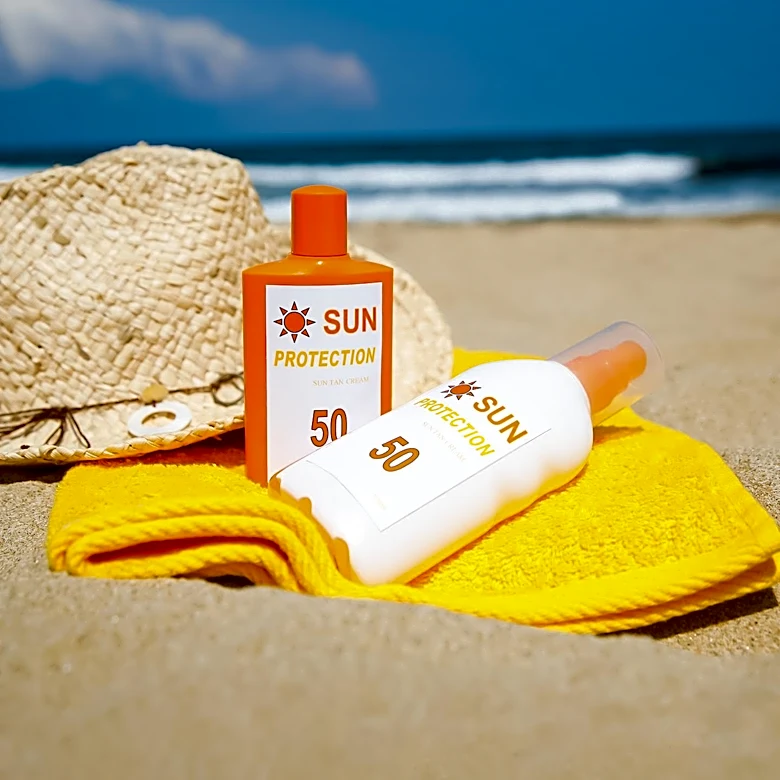
For decades, sunscreen had a singular, unglamorous job: prevent sunburn. Its history begins with chemists creating functional creams for soldiers and mountaineers in the 1930s and ‘40s. Brands like Coppertone and Piz Buin brought sun protection to the masses,
but the experience was often a sticky, greasy affair. The smell was iconic, but the texture was a necessary evil for a day at the beach. It lived in a sandy bag, not a curated makeup kit. The product’s reputation was purely utilitarian, something to be endured, not enjoyed. Formulations were often thick, leaving a noticeable white cast on the skin that made them a non-starter for daily use, especially for those with deeper skin tones.
The Wellness and Skincare Revolution
The turning point wasn't a single invention, but a massive cultural shift. As dermatologists and health organizations amplified the connection between UV exposure, premature aging, and skin cancer, public consciousness began to change. Sun protection was no longer just about avoiding a painful burn; it was about long-term health and preserving youthful skin. This coincided with the rise of the wellness movement and the boom of the multi-step skincare routine. Consumers, particularly Millennials and Gen Z, became more educated about ingredients and preventative care. They started demanding more from their products. Sunscreen couldn't just be a shield; it had to feel good, look good, and play nice with other skincare and makeup.
Formulas Get a Beauty Makeover
This is where innovative brands saw their opening. Companies like Supergoop! led the charge, fundamentally reimagining what sunscreen could be. They introduced lightweight, invisible gel formulas that absorbed seamlessly and left no white cast. Suddenly, sunscreen wasn't an obstacle to a good makeup day; it was the perfect primer. Other brands followed suit, creating formulations with hydrating ingredients, antioxidants, and even a luminous, pearlescent finish that mimicked a highlighter. The packaging became shelfie-worthy, shifting the product from the medicine cabinet to the vanity. Brands like Black Girl Sunscreen specifically formulated products for melanated skin, addressing a long-standing gap in the market. Sunscreen was no longer just a health product; it had become a beauty product.
The Festival Proving Ground
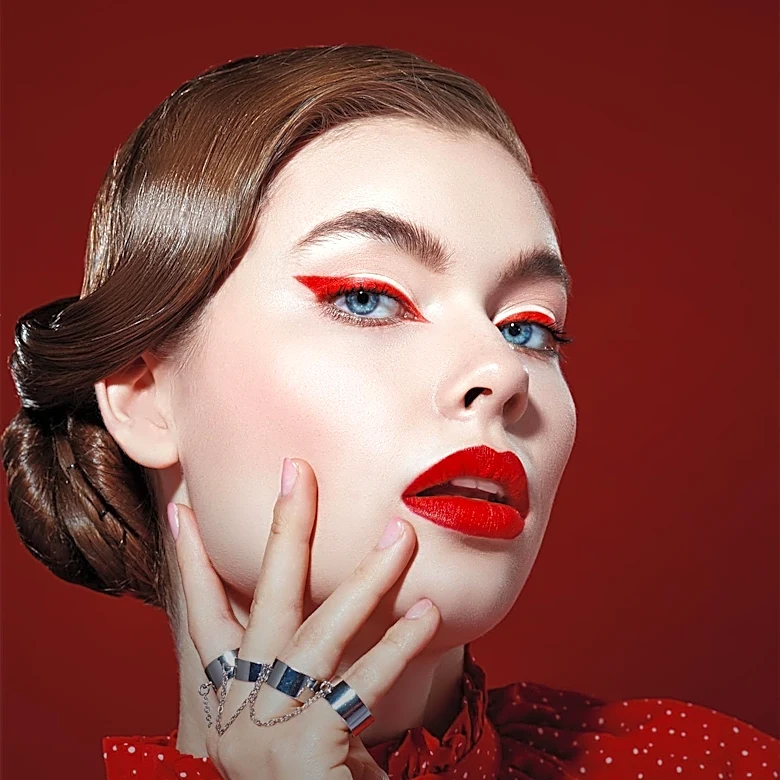
Music festivals became the perfect stage for sunscreen's new identity. A multi-day outdoor event presents a unique challenge: the need for serious, long-lasting sun protection combined with a high-stakes beauty environment where every look is documented on social media. The old, greasy formulas would ruin an elaborate festival makeup look. But the new generation of sunscreens—lightweight, glow-inducing, and even shimmery—fit right in. They offered protection without compromising aesthetics. A dewy, protected glow became the ideal base for the face gems and graphic liner that dominate festival fields. Brands leaned into this, marketing their products as essential components of the modern festival experience, a space defined by self-expression, photography, and enduring long days in the sun.