

The Annual Identity Crisis
For a few weeks every summer, Grant Park transforms. The sprawling green space in the heart of downtown Chicago, often called the city's "front yard," becomes a fortress of sound and sponsorship. Massive music festivals draw hundreds of thousands of fans,
generating significant revenue and international attention. To the outside world, this is Grant Park's primary function: a world-class stage for mega-events. Yet, for countless locals, this perception sparks an annual identity crisis. The debate that bubbles up each year isn't necessarily about ending the festivals, but about remembering what the park is for the other 50 weeks—a vital public space for residents that gets sidelined for ticketed events. The trampled grass and weeks of restricted access serve as a recurring reminder of the tension between commerce and community in one of America's most important urban parks.
A Legacy of 'Forever Open, Clear, and Free'
To understand the local defense of Grant Park, you have to go back to its very foundation. In 1836, a map of the fledgling city designated the lakefront land as "Public Ground—A Common to Remain Forever Open, Clear and Free of any Buildings or Other Obstructions whatever." This principle became a sacred civic promise, most famously defended by mail-order magnate Aaron Montgomery Ward, who fought legal battles all the way to the Illinois Supreme Court in the early 1900s to prevent structures from being built in the park. This history is deeply ingrained in Chicago's DNA. It establishes Grant Park not just as a recreational area, but as a protected public trust. When residents see huge sections fenced off for private, ticketed events, it strikes many as a betrayal of that foundational promise, turning a public common into a commercial asset.
The Park Beyond the Headliners
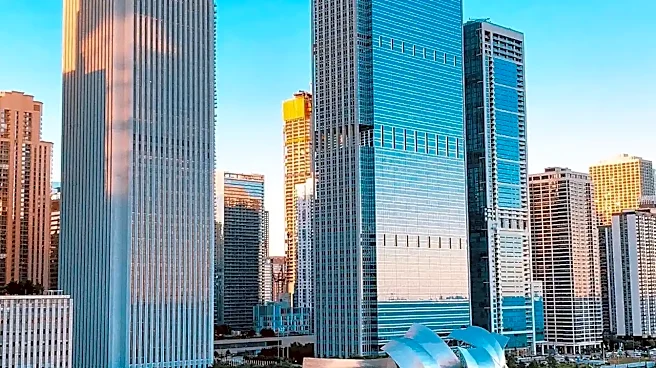
So what is Grant Park when it’s not hosting a festival? It’s where office workers eat their lunch, where softball leagues play under the city skyline, and where kids explore Maggie Daley Park. It's home to the iconic Buckingham Fountain, numerous gardens, tennis courts, and a skate park. The broader Grant Park area also includes the Museum Campus, connecting residents and tourists to the Field Museum, Shedd Aquarium, and Adler Planetarium. The Grant Park Music Festival offers a ten-week series of free classical concerts at the Jay Pritzker Pavilion, a stark contrast to the high-priced mega-festivals. It’s the start and finish line for the Chicago Marathon, a public spectacle that unites the city. These everyday uses and free cultural events form the true rhythm of the park, a rhythm that locals feel is drowned out by the seasonal bass drops.
Balancing the Books and the Public Good
No one denies that festivals like Lollapalooza are an economic powerhouse for Chicago. The infusion of tourist dollars into hotels, restaurants, and city coffers is substantial, and organizers often contribute to park infrastructure improvements. However, community advocates and some local businesses argue the benefits are overstated or don't trickle down. They point to the disruptions, the congestion that drives away regular customers, and the immense cost of city services like police and sanitation required to manage the events. For residents, the core issue is access. For weeks, their public park is effectively privatized. The defense of Grant Park is therefore a push for re-evaluation: a call for the city to find a better balance that honors the park's role as both an economic engine and, more importantly, a free and open space for all Chicagoans.