



The Enduring Allure of Prep
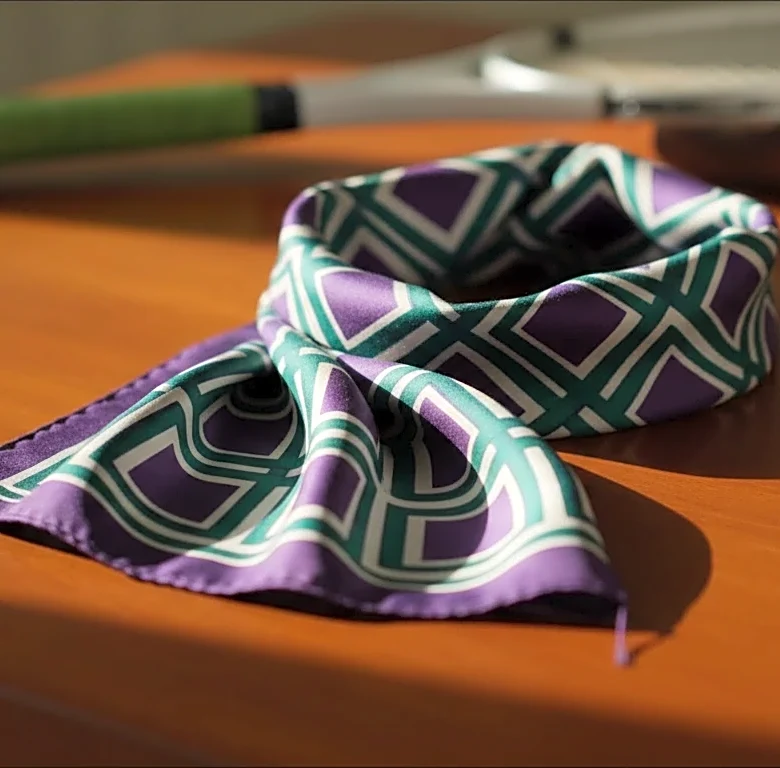
The silk scarf has long been a cornerstone of the American preppy aesthetic, a quiet symbol of a certain kind of life. Think of Grace Kelly, Jackie Kennedy, or Queen Elizabeth—women for whom the scarf was less an accessory and more a part of their uniform.
It spoke of yacht clubs, countryside weekends, and an effortless, inherited elegance. Worn knotted at the neck, tied over impeccably coiffed hair, or draped over the shoulders of a cashmere sweater, the silk scarf was shorthand for being put-together. This history is potent. It’s what gives the scarf its weight and its timeless appeal, but it's also what can make it feel a bit stuffy or costumey to a modern dresser. The debate begins here: Is this classic piece too tied to a bygone era, or is its history the very thing that makes it worth keeping?
The Minimalist Counterpoint
Enter the minimalist. This modern style philosophy isn't about deprivation but intention. It prioritizes quality over quantity, versatility over trendiness, and a streamlined life free from excess. At first glance, a patterned silk scarf seems to be the antithesis of minimalism. It's often colorful, decorative, and seemingly non-essential. A true minimalist might argue that if an accessory doesn't serve a clear, functional purpose or fit seamlessly with every other item in a tightly curated wardrobe, it's just clutter. The core question from a minimalist buyer’s lens is a sharp one: Is a silk scarf a versatile workhorse or a frivolous distraction? For many who favor a clean, uncluttered aesthetic, any item that requires special styling or feels too much like a 'statement' can feel like a violation of principle.
The Modern Synthesis: Scarf as a Deliberate Accent
Here's where the debate resolves into a beautiful compromise. The scarf is making a major comeback on runways and in street style, but not in the same old ways. The new approach treats the scarf as a deliberate, singular accent—which aligns perfectly with a minimalist ethos. A minimalist wardrobe isn’t devoid of personality; it simply deploys it with intention. Rather than being one of many accessories, the scarf can be the accessory. Think of a wardrobe of classic, neutral basics—a crisp white shirt, a simple black dress, a well-cut trench coat. A single, high-quality silk scarf can elevate any of these, adding a focal point of color and pattern without adding bulk or noise. It's a strategic use of a powerful tool. The modern way to wear it is often more relaxed: tied to the handle of a bag, wrapped around a wrist like a bracelet, or used as a chic belt.
A Buyer's Guide Through the Lens
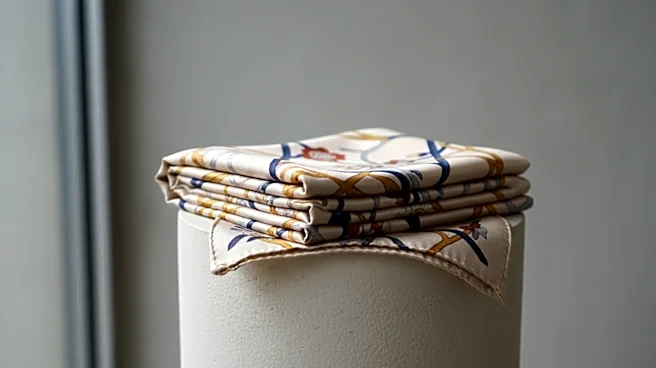
For the minimalist considering this purchase, the key is to buy once and buy well. Forget fast-fashion polyester and focus on 100% silk twill, which has a satisfying weight and holds a knot beautifully. The most versatile size is a 35-inch or 90cm square, which allows for myriad styling options. From a minimalist perspective, the choice of print is crucial. Instead of chasing a trendy pattern, look for a timeless design in a color palette that complements your existing wardrobe. Consider a classic equestrian motif, a simple geometric, or an abstract floral in shades you already wear. The goal is to find a piece that feels like a piece of wearable art you'll love for decades, not just a season. It’s an investment in a tiny powerhouse of versatility, a single item that can transform dozens of outfits.