


The Sneaker's Decade of Dominance
To understand the debate, we have to remember how we got here. The 2010s weren't just the decade of the sneaker; they were the decade the sneaker conquered the world. What was once confined to the gym or the basketball court exploded onto runways and into
boardrooms. Fueled by the rise of streetwear, collaborations between athletic brands and high-fashion houses, and a collective cultural pivot toward comfort, sneakers became the default footwear for nearly every occasion. A pair of crisp white Common Projects or hyped-up Nike Dunks could be worn with a suit, a dress, or sweatpants. They were democratic, comfortable, and a status symbol all at once. For years, the question wasn't *if* you were wearing sneakers, but *which* sneakers you were wearing.
Milan's Polished Rebellion
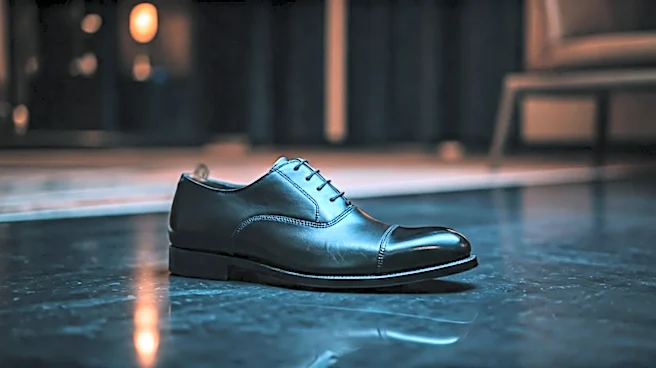
Then came the shift, subtle at first, but now undeniable. On the runways of Milan Fashion Week—long considered the global standard-bearer for classic menswear and luxury craftsmanship—designers began to quietly push back. Brands like Prada, Gucci, Ferragamo, and Tod’s started centering their collections not around the next must-have sneaker, but around meticulously crafted loafers, elegant derbies, and sharp-toed dress shoes. Street style photographers, who once chased after rare Nikes, found their lenses drawn to glossy penny loafers and tassel-adorned brogues. This wasn't a rejection of casualwear outright, but a powerful reminder that another kind of elegance exists. The message from Milan was clear: it might be time to put on some real shoes again.
The Post-Pandemic Style Reckoning
The timing of this trend is no accident. After several years defined by work-from-home fits, Zoom calls, and a life lived in sweatpants and slippers, there's a palpable desire to dress with intention again. Fashion insiders call it “occasion dressing.” For the rest of us, it’s simply the joy of having a reason to make an effort. The return to the office, weddings, and social events has created a context where a beautifully made shoe feels not just appropriate, but celebratory. Slipping on a pair of leather loafers is a small act of ceremony. It signifies a transition from the private, comfortable world of home to the public sphere. For many, it's a welcome and refreshing change, a way to reclaim a sense of structure and style that was lost during the pandemic.
Comfort vs. Craftsmanship
Herein lies the heart of the debate. On one side, you have the comfort evangelists. They argue that after years of cushioned soles and flexible uppers, there’s no going back. Why, they ask, would anyone voluntarily choose the break-in period and rigidity of a traditional dress shoe when sneakers offer instant comfort? It’s a valid point; modern life is demanding, and footwear that can keep up is a practical necessity. On the other side are the champions of craftsmanship. They see formal shoes not as restrictive, but as an investment in quality, durability, and timeless style. They point to the Goodyear welts, the hand-burnished leathers, and the elegant silhouettes as markers of artistry. For them, a well-made shoe is a piece of wearable art that connects them to a long heritage of shoemaking—something a mass-produced sneaker, however stylish, can never truly replicate.
An Evolution, Not a War
The reality, as is often the case in fashion, is less of a battle and more of an expansion. The return of the formal shoe doesn't signal the death of the sneaker. Instead, it marks the end of the sneaker's absolute monarchy. We're moving into a more balanced and nuanced era of footwear. The modern wardrobe is becoming more versatile, with space for both the sleek loafer and the chunky running shoe. The man or woman of style in 2024 and beyond is someone who understands context. They can appreciate the laid-back cool of a vintage sneaker for a weekend coffee run just as much as they appreciate the quiet authority of a polished oxford for an important meeting. The trend isn't forcing a choice; it's providing more of them.