






Argentina vs. Brazil: The Superclásico of Nations
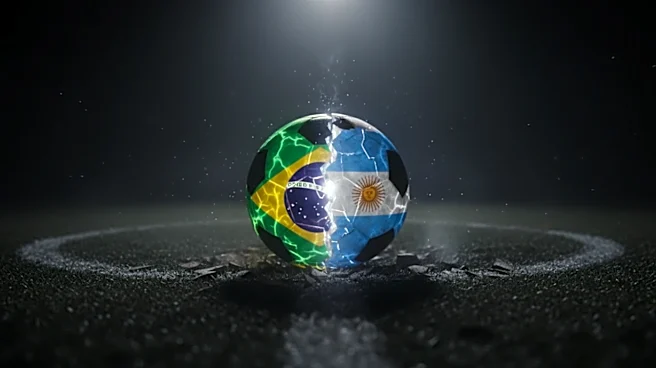
This isn't just a soccer game; it's the 'Superclásico de las Américas,' a battle for the soul of South American football. For over a century, these two giants have been locked in a struggle defined by dueling philosophies: Brazil’s “joga bonito” (the
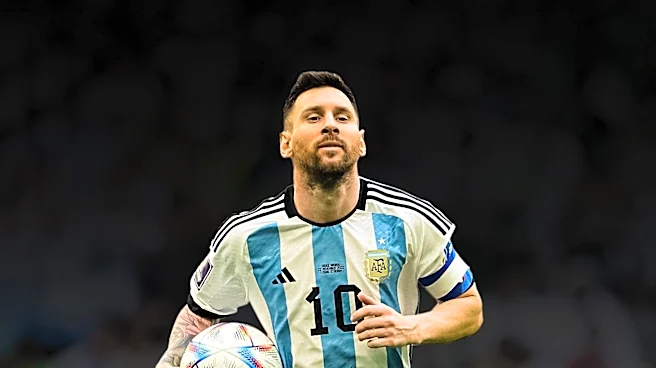
beautiful game) against Argentina’s fierce, passionate, and often cunning style. The rivalry is a mix of profound respect for the other's legends—Pelé and Maradona, Messi and Neymar—and a deep-seated need to be the continent's undisputed king. Matches are rarely just matches; they are cultural events that can stop two nations. From violent clashes in early Copa América tournaments to dramatic World Cup qualifiers, the tension is constant. There’s a fear of the other’s brilliance and a simmering frustration that only one can be on top. It’s a rivalry built not on war, but entirely on the game itself, which somehow makes it even purer and more intense.
England vs. Germany: The Weight of History
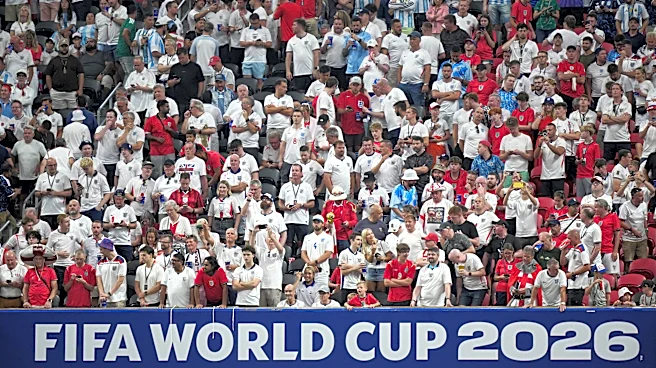
For England, no team inspires a cocktail of fear and frustration quite like Germany. It’s a rivalry that many Germans claim is one-sided—they’re more concerned with the Netherlands or Italy—but for the English, it’s everything. The story begins with England's singular triumph, winning the 1966 World Cup final against West Germany. But that glory soon gave way to a half-century of trauma. Germany became the machine that systematically knocked England out of major tournaments, often through the psychological torture of penalty shootouts in 1990 and 1996. Gary Lineker’s famous quote, "Football is a simple game. Twenty-two men chase a ball for 90 minutes and at the end, the Germans always win," perfectly captures the English sense of fatalism. Each game feels like a chance to exorcise the ghosts of the past, a desperate attempt to overcome the team that represents everything they’re not: ruthlessly efficient and psychologically unflappable.
USA vs. Mexico: The Battle for North America
No rivalry in North America is as charged as USA vs. Mexico. This is a battle for regional supremacy that’s deeply intertwined with cultural and political undertones. For decades, Mexico was the undisputed power, dominating the U.S. with a 46-year unbeaten streak at one point. The dynamic shifted in the 21st century with the rise of the U.S. Men's National Team. The rivalry gained a new level of intensity with the famous "Dos a Cero" scoreline, as the U.S. repeatedly beat Mexico 2-0 in crucial matches, including a legendary Round of 16 clash at the 2002 World Cup. For the U.S., matches are about earning respect. For Mexico, it’s about putting their northern neighbors back in their place. The stands are electric, often with a pro-Mexico crowd even on U.S. soil, and the games are notoriously physical and chippy, fueled by a mutual frustration and the undeniable fear of losing to your closest, most persistent rival.
Argentina vs. England: When Politics and Passion Collide
This rivalry is different. While others are born from geography or a simple desire to be the best, this one was forged in conflict. The 1982 Falklands/Malvinas War provides a tense political backdrop that infuses every encounter with a meaning that transcends sport. The animosity exploded on the pitch in the 1986 World Cup, just four years after the war. In a single game, Diego Maradona delivered both the infamous "Hand of God" goal and the "Goal of the Century," a sequence that for Argentinians felt like a form of poetic justice. For England, the rivalry is about sporting pride and moments of controversy, like David Beckham's 1998 red card. For Argentina, it has often been a symbolic battle, a way to reclaim national honor on the pitch. It's a fixture defined by scarcity—they don't play often—which only magnifies the emotional weight when they do.