





The Original Tech Evangelist
It’s hard to overstate the shockwave the original *Toy Story* sent through culture. It wasn’t just a great movie; it was a proof of concept for the future of entertainment. Before 1995, computer animation was a novelty, a tool for commercials and short
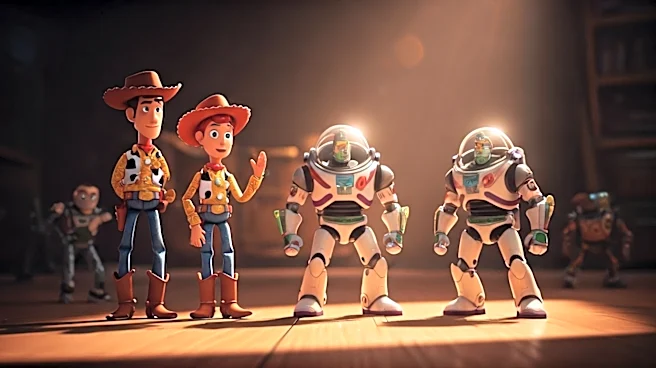
films. Pixar, with its proprietary RenderMan software, turned lines of code into Woody’s lanky charm and Buzz Lightyear’s deluded grandeur. The film’s very existence was a celebration of technological optimism. The story was about classic toys, but the medium was pure digital frontier. The meta-narrative was clear: look at the wonderful, heartwarming new worlds we can build with computers. For a generation, Pixar’s technology wasn’t a subject of critique; it was the source of wonder.
From Novelty to Ubiquity
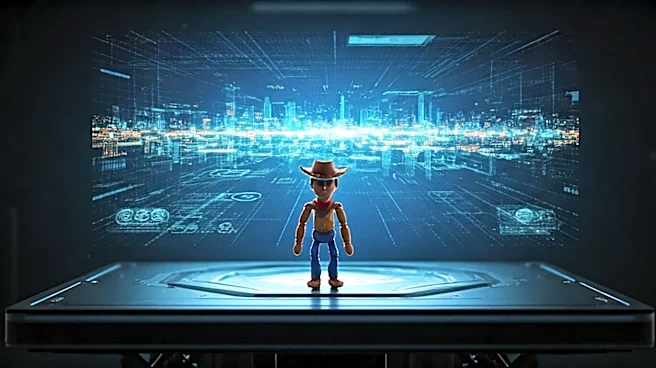
Fast forward nearly three decades. The world *Toy Story* helped imagine is now the one we inhabit. The revolutionary CGI of 1995 is now the default language of blockbusters. More profoundly, the digital realm has expanded beyond the movie screen to mediate our entire lives. We socialize on platforms, work in virtual spaces, and are beginning to grapple with generative AI that can write, draw, and create in ways that feel unnervingly human. The wide-eyed wonder at what a computer *could* do has been replaced by a pervasive anxiety about what it *is* doing—to our jobs, our relationships, and our sense of reality. The magic that Pixar bottled has been uncorked, and we’re not always sure we like the genies that flew out.
The Toys’ Crisis Is Our Own
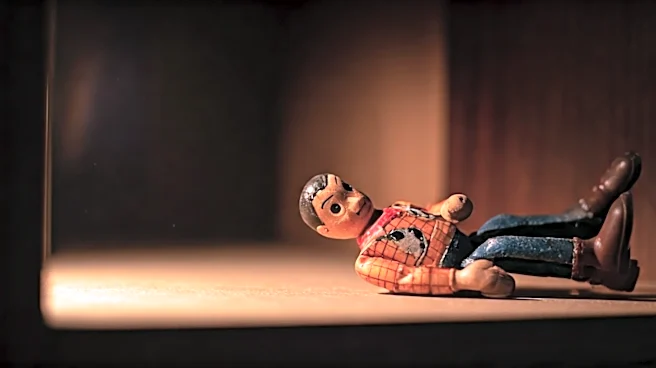
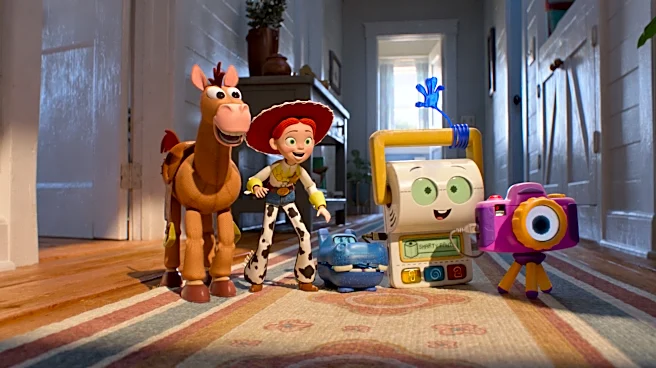
This is where the narrative genius of *Toy Story* becomes its most powerful asset. The entire franchise is an allegory for obsolescence and purpose. From Woody’s fear of being replaced by a shiny new spaceman to the existential dread of the forgotten toys in *Toy Story 3*, the central conflict has always been about grappling with a world that moves on without you. *Toy Story 4* drove this home with Forky, a piece of literal trash given sentience, and Woody, who ultimately chose to abandon his core programming as a child's toy to find a new purpose. These themes have never been more relevant. In an age of AI, we’re all wondering if we’re about to be replaced by a newer, more efficient model. The toys’ existential crisis is a perfect, family-friendly metaphor for our own anxieties about automation and digital displacement.
The Inescapable Paradox
This brings us to the central paradox of *Toy Story 5*. For the film to be more than a simple cash-grab, it must engage with this new technological reality. It must, in some way, critique or question the very digital saturation it helped create. But to do so, Pixar will have to deploy its most advanced technology yet. The studio is at the forefront of using machine learning and AI to streamline animation, create more realistic textures, and render unimaginably complex worlds. To tell a story warning about the potential soullessness of a hyper-digitized existence, they must build that story atom by atom using the most sophisticated digital tools on the planet. They have to use the ghost in the machine to lecture the ghost in the machine. Every frame that questions our reliance on screens will be a frame perfected by a legion of engineers and algorithms. This isn't hypocrisy; it's a fascinating and unavoidable artistic trap.