
Think Campaign, Not Just Concert
First things first: landing a showcase, whether it's an official spot curated by the Americana Music Association or a slot at a day party, isn't the finish line—it's the starting gun. The real strategy isn't about playing a flawless 45-minute set; it's about building
an entire campaign around that performance. The week, which includes the AMERICANAFEST conference, is one of the few times each year when top-tier booking agents, press, radio programmers, and label executives are all in one place, actively looking for the next big thing. Your showcase is the hook, but the goal is to leverage that moment to get on their schedule, into their notebooks, and onto their playlists. It’s about turning a single performance into a dozen meaningful connections.
The Pre-Game Is Everything
Showing up in Nashville with a guitar and hoping for the best is a recipe for getting lost in the noise. A successful week is built on groundwork laid weeks, if not months, in advance. This means doing your homework. Research which journalists, bloggers, and radio personalities who have covered artists like you will be at the festival. Create a targeted list of industry professionals you want to meet. Then, craft a concise, professional email introducing yourself, stating your showcase time and location clearly, and explaining why they specifically might be interested in your music. Don't send a generic blast. Personalize it. Your goal is to get on their radar before the festival's chaos begins. Having a professional, up-to-date website and active social media is non-negotiable.
Official Showcase vs. Day Party
There are two main types of performance opportunities: the official, juried showcases at night and the myriad of unofficial day parties and sponsored events. An official showcase carries significant weight; it means your music has been vetted by an industry committee. It gets you listed in the official app and program guide, which thousands of attendees use to plan their schedules. However, the competition is fierce, with over 1,700 submissions for around 200 spots in recent years. Day parties, often hosted by labels, management companies, or brands, are also incredibly valuable. While they might feel more casual, they are curated events designed to draw a crowd and can be a fantastic way to be seen by a different slice of the industry and fan community, often with less pressure.
Master the Art of the Hang
What you do offstage is just as important as what you do on it. AMERICANAFEST is as much a conference as it is a festival. The real business often happens in the hotel lobby, at a panel discussion, or while grabbing a beer between sets. Your mission is to be present and connect. Go to the conference panels. Listen, ask smart questions, and introduce yourself to panelists afterward. Show up for other artists' sets—the person standing next to you could be the head of a label or your next booking agent. But be cool. Don't be the artist who shoves a demo into someone's hand. Instead, have a real conversation. Ask what they do and what they're excited about. Make a genuine connection first; the business card exchange will follow naturally.
Your Set Is Your Calling Card
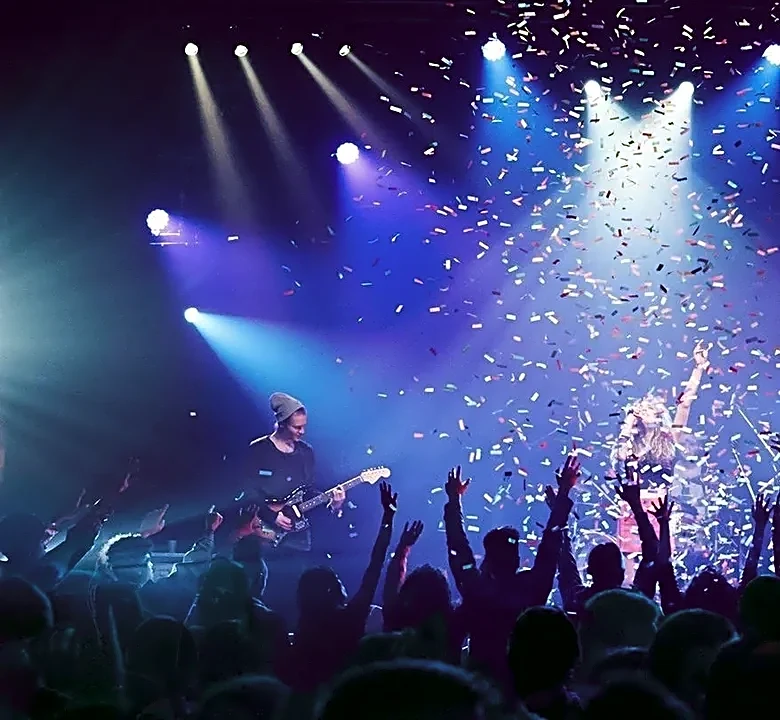
When your showcase time arrives, be ready. You likely have 45 minutes or less, and people will be coming and going. This isn't the time for a slow-burn intro or trying out brand-new material. Your setlist should be a tight, high-impact highlight reel. Start strong to grab the attention of people filtering in, and end with your most memorable song. Be professional: show up on time, be courteous to the sound engineer, and respect your time slot. The festival runs on a tight schedule, and being the artist who is easy to work with leaves a lasting positive impression. This single set is your live audition for everyone in the room.
The Follow-Up Wins the Game
The work isn't over when the last amp is turned off. All those connections you made are only potential opportunities until you follow up. Within a week of the festival's end, send a brief, personalized email to every new contact. Remind them where you met, thank them for their time or for coming to your show, and suggest a next step. This could be a link to a new single, an invitation to a future show in their city, or simply a note saying you enjoyed the conversation. This professional follow-through separates the serious artists from the hobbyists and can turn a chance meeting into a career-changing partnership.