





When Print Was King
For decades, the promotion of the fall television season was a carefully orchestrated, slow-burning ritual. It revolved around print media and on-air promos that created a shared cultural calendar. Since the 1950s, publications like TV Guide, and later
Entertainment Weekly, were essential reading. Networks spent fortunes on full-page, glossy advertisements showcasing their new sitcoms, dramas, and stars. These ads weren't just informational; they were event-setting. They told you what to be excited about, functioning as the official kickoff to a season of appointment television. Alongside magazine spreads, networks produced their own on-air fall preview specials, often hosted by their biggest stars, to give audiences a sneak peek at the new lineup. This created a national conversation where, for a few weeks each autumn, it felt like everyone was discussing the same handful of new shows.
The Messy Middle: Digital Disruption
The turn of the millennium brought the internet, and with it, the gradual erosion of print's dominance. The shift wasn't immediate. For a while, the old and new models coexisted awkwardly. Networks started buying banner ads on websites and launching primitive show-specific web pages. Social media’s rise in the late 2000s added another layer, with studios creating Facebook pages and Twitter accounts to engage directly with fans. This era was defined by fragmentation. The centralized hype machine of magazines and network specials was replaced by a thousand different digital campfires. Marketing became less about blanketing the country with one message and more about finding specific demographics online. While the reach was potentially wider, it lost the unifying power of the old system. The shared cultural moment of the “fall TV season” began to feel less like a national holiday and more like a series of scattered, niche events.
The Algorithm Will See You Now
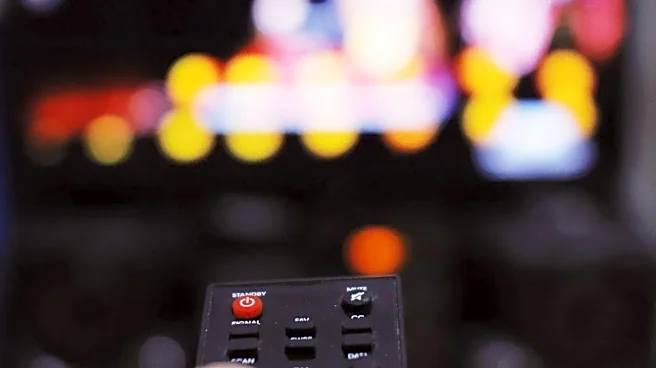
Enter the streaming era. Today, the most valuable piece of advertising real estate isn't a magazine page or a 30-second TV spot; it's the top banner on your Netflix, Max, or Disney+ home screen. This is the “home-screen takeover,” a full-screen, often auto-playing trailer that greets you the moment you're looking for something to watch. Viewers spend a surprising amount of time—sometimes up to 10 minutes—on this discovery screen, making it a critical moment for marketers to capture attention. Unlike the broad-stroke campaigns of the past, this is a world of hyper-personalization. The shows promoted to you are based on your viewing history, perceived interests, and even the time of day you're watching. The goal is no longer just awareness, but immediate conversion—getting you to click “play” right now.
From Shared Culture to Personal Queues
This evolution from a glossy page to an algorithmic tile represents a fundamental change in how we discover and consume entertainment. The magazine spread was a public invitation to a party everyone was attending. The home-screen takeover is a private, data-driven suggestion tailored just for you. As a result, the concept of a unified fall season has all but vanished. Shows now premiere year-round, dropped whenever the data suggests an optimal launch window. While services like Roku can offer advertisers “Super Bowl size reach every day” across their home screens, the experience for the viewer is deeply individualized. This has made it harder for new shows to achieve the broad, “water-cooler” status they once did, as marketing efforts are now designed to conquer individual queues rather than the collective consciousness. The fight for eyeballs has moved from the newsstand to the very personal, powerful space of your living room screen.