



Philosophy #1: The Gospel of Balance
The most traditional styling advice for a pear shape—where hips and thighs are wider than the bust and shoulders—is rooted in one goal: creating the illusion of an hourglass figure. This is the 'gospel of balance.' Stylists in this camp treat the body
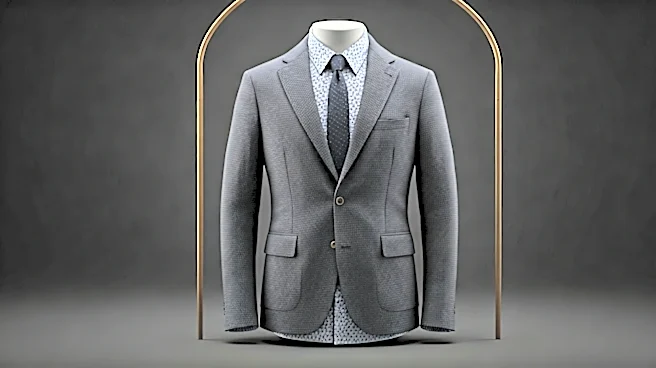
like a sculpture, using clothing to add or subtract visual weight where needed to achieve a specific, symmetrical silhouette. For a pear shape, this means drawing the eye upward and building volume on top. Think boat necks, statement necklaces, puff sleeves, and structured blazers with shoulder pads. The goal is to visually widen your shoulders to match the width of your hips. On the bottom, the advice is to use dark, solid colors and simple, flowing cuts like A-line skirts or bootcut trousers. These garments are meant to skim over the hips and create a clean line, 'minimizing' the lower body. This approach is corrective; it's about using optical illusions to engineer a classic, universally flattering shape. It’s a reliable formula that’s been the bedrock of style guides for decades.
Philosophy #2: The Art of Celebration
In recent years, a second, more modern philosophy has gained traction: the art of celebration. This school of thought rejects the idea that any body part needs to be 'balanced' or 'minimized.' Instead, it encourages dressing to highlight and embrace your natural shape. For a pear, this means choosing clothes that celebrate your curves, rather than hiding them.
Stylists who follow this philosophy will tell you to rock a pair of well-fitting skinny jeans or a sleek pencil skirt to show off your hips and backside. They might suggest a form-fitting top, rather than a voluminous one, to emphasize your defined waist and smaller upper frame. This approach is less about creating a specific silhouette and more about exuding confidence in the one you already have. It aligns with the broader cultural shift toward body positivity, moving away from a single, rigid beauty standard and toward personal expression. It’s not about 'fixing' your proportions; it's about owning them.
Where Height Changes Everything
This is where the real disagreement comes in. Being tall throws a wrench into both philosophies, creating the central conflict among stylists. Your height gives you a long, vertical line that both camps want to work with—but in completely different ways.
A stylist focused on 'balance' might tell a tall pear to wear a cropped jacket to define the waist and visually break up her long torso. But another stylist might argue that this cuts her beautiful vertical line in half. The 'celebration' stylist might suggest a long, body-skimming dress to honor both height and curves, but the 'balance' stylist could argue this overemphasizes the hips without creating any shape on top.
Consider the simple cardigan. Should it be a short, fitted style that hits at the waist to create that hourglass shape? Or should it be a long, dramatic duster that plays up your height? There is no single 'right' answer because the stylists are solving for different things. One is prioritizing proportional harmony, the other is prioritizing vertical integrity. This is the core of the confusion: they're playing two different games with two different rulebooks.
Creating Your Personal Rulebook
The key to escaping this confusion is to realize you don’t have to choose a side. Instead of asking 'What should a tall pear wear?', ask yourself 'How do I want to feel today?' Understanding the two philosophies empowers you to become your own stylist.
Want to project power in a boardroom? The 'balance' philosophy has your back. A sharp blazer with defined shoulders and a pair of dark, wide-leg trousers that skim the floor will create a commanding presence. Want to feel confident and alluring on a date night? The 'celebration' mindset is your friend. Try a fitted knit top with a high-waisted skirt that hugs your curves. The best wardrobes mix and match these principles. You can wear dark-wash skinny jeans (celebration) with a structured, light-colored blazer (balance). The goal isn't to follow a rigid formula, but to build a toolbox of silhouettes that you can deploy based on your mood, your destination, and what makes you feel like the best version of yourself.