

The Golden Rule: Creams Before Powders
The fundamental principle taught by virtually every makeup artist is to apply your liquid and cream products first, followed by powders. Think of it like painting a wall: you apply the wet paint before you seal it. Cream products—like liquid foundation,
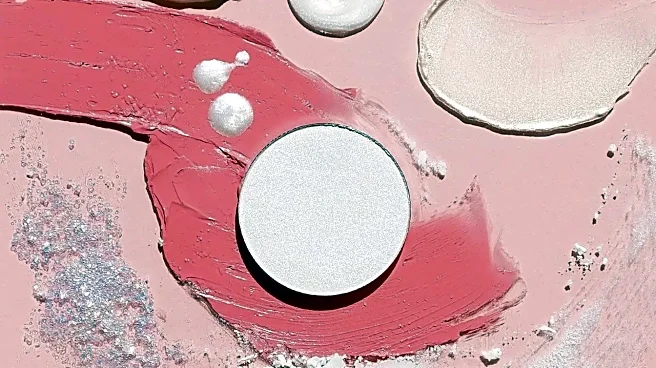
cream blush, and concealers—have moisture and blend best into the skin and with each other. Applying a powder on top serves a dual purpose: it 'sets' the cream product, absorbing excess oil and locking it in place for longevity. It also creates a smooth, dry surface for other powder products to glide over without grabbing or skipping. Trying to layer a cream over a full layer of setting powder often results in a patchy, muddy, or cakey mess because the cream has nothing to seamlessly blend into.
Step 1: Build Your Luminous Base with Creams
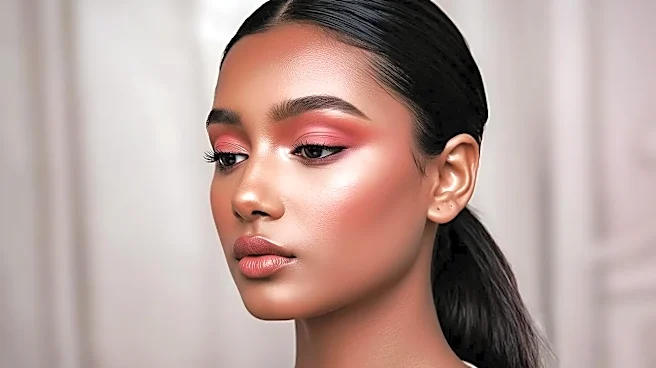
Start with your skin prep: moisturizer, SPF, and primer. Once prepped, apply your cream-based complexion products. This includes your liquid or cream foundation, concealer, and any cream contour or bronzer. This is also the time for cream blush. Using your fingers or a damp sponge, press and tap the product into the skin. The warmth of your fingers helps the product melt in beautifully. The goal is to create a seamless, hydrated base where all the liquid and cream layers meld together into a believable, skin-like finish. This initial layer provides the dewy glow and natural color that will form the foundation of your entire look.
Step 2: Lock It In with a Strategic Powder
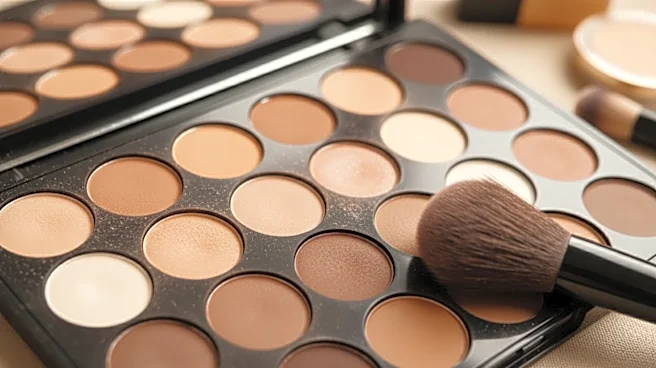
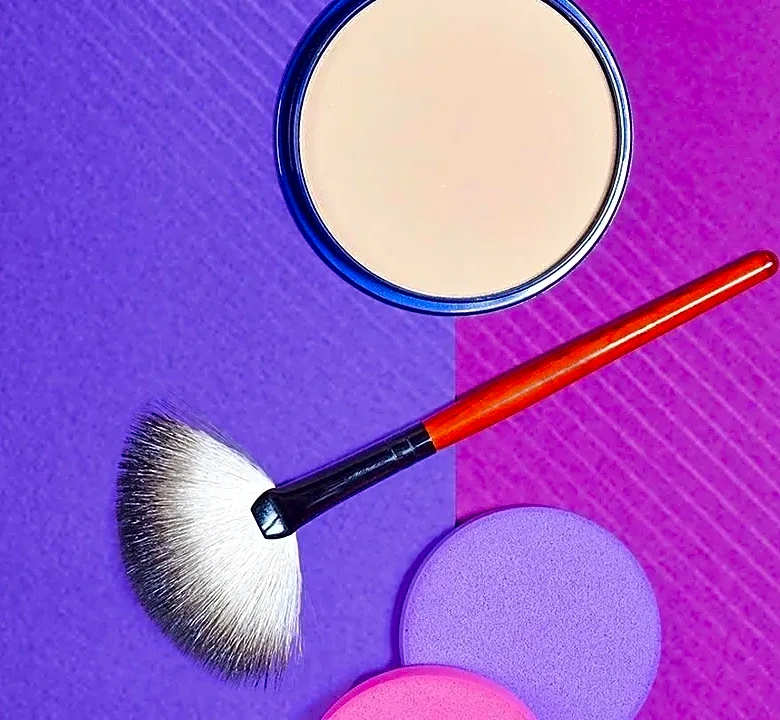
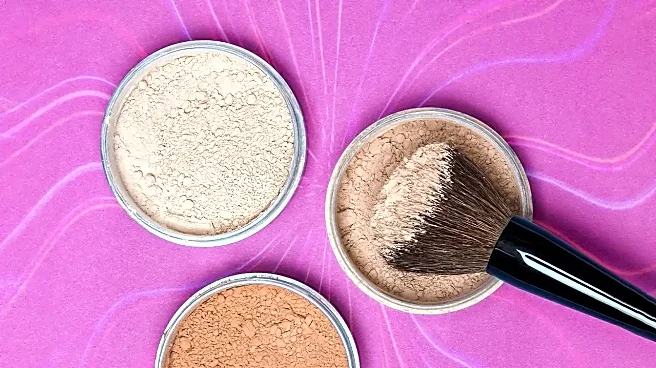
Once your creams are blended, it’s time to set them. The key word here is strategic. You don't need to apply a heavy layer of powder all over your face unless you have very oily skin. Use a fluffy brush to lightly dust a translucent setting powder over the areas where you applied concealer and any other spots prone to creasing or shine, like the T-zone. For your blush, you can either set the cream with a translucent powder or layer a corresponding powder blush on top. This cream-then-powder blush technique not only intensifies the color but also dramatically increases its wear time. The powder 'holds' the cream in place, ensuring your flush lasts all day.
Step 3: The Grand Finale with Chrome Toppers
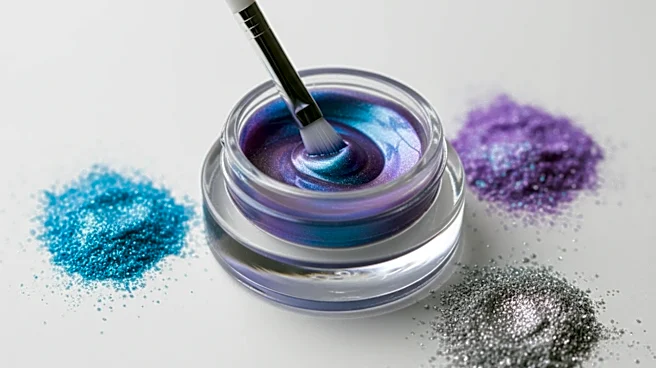
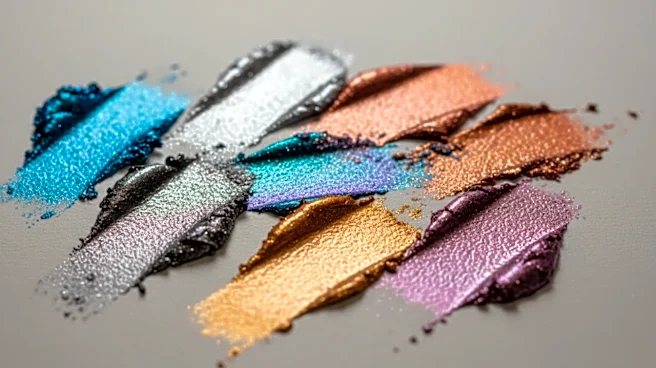
Now for the star of the show: the chrome pigment. Chrome, duo-chrome, and other multi-dimensional shimmer eyeshadows are best applied as a finishing touch or 'topper'. These pigments deliver their high-impact, light-shifting magic most effectively when they can sit on top of the other layers. For the best result, apply chrome pigment over a primed or slightly tacky base. You can apply it with a dense, flat brush or your fingertip for the most intense color payoff. If you've already set your entire eye with powder, you can still get a great result by pressing the chrome pigment on firmly, or by dampening your brush with a setting spray before dipping into the pigment to create a foiled effect. This helps the particles adhere without creating messy fallout.
Breaking the Rules and Pro-Level Tips
While 'creams before powders' is the standard, some modern techniques play with this order. For instance, famed makeup artist Patrick Ta is known for applying powder blush before tapping a cream blush on top, a method designed to create an intense, luminous glow from within. This works because it's a strategic placement rather than mixing incompatible layers. Another pro tip is to use a setting spray between layers. A fine mist after your cream products and again after your final powder application can help 'melt' all the layers together, removing any powdery look and further extending wear time. Finally, if you ever experience 'pilling'—where products ball up—it's often a sign of layering too quickly or using incompatible formulas, like a water-based product with an oil-based one. Let each layer, especially skincare, absorb for a minute before applying the next.