

The Anatomy of a Viral Scene
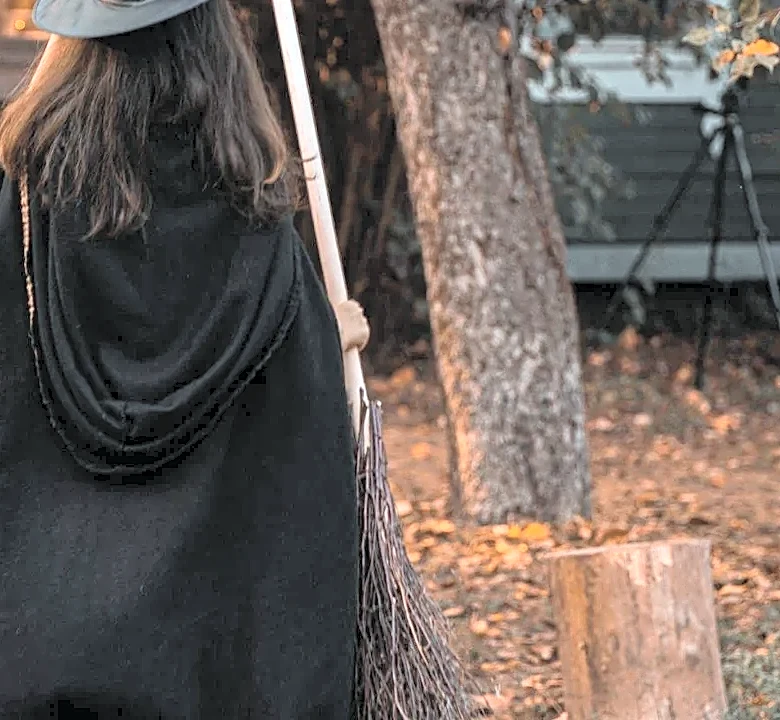
Not every movie moment is destined for viral fame. The scenes that take off, especially in autumn, share a specific DNA. First, there's the aesthetic. Think of the chunky cable-knit sweaters and crisp Central Park walks in "When Harry Met Sally" or the moody,
witchy vibes of "Practical Magic". These visuals tap directly into a seasonal mood board of coziness and nostalgia that users are eager to replicate. Second is the audio. Whether it's a memorable line of dialogue or a perfectly placed song, the audio needs to be liftable. It becomes a soundtrack for users' own videos, a format that allows them to place themselves within the movie's world. A classic Nora Ephron quip or an indie soundtrack swells are perfect fodder for this kind of creative reuse. It’s less about the plot and more about a perfectly captured, relatable feeling.
The Algorithm as Accelerant
Once a scene has the right ingredients, the algorithms on TikTok and Reels act as powerful engines. These platforms are designed to identify nascent trends and push them to wider audiences. When the algorithm notices a cluster of users engaging with a particular scene—watching it multiple times, sharing it, and, most importantly, using its audio—it flags it as potentially viral content. It then serves that clip and the user-generated videos inspired by it to others who have shown interest in similar content, like "fall aesthetic" or "rom-coms." This creates a powerful feedback loop where engagement fuels visibility, and visibility fuels more engagement, quickly turning a niche appreciation into a mainstream phenomenon. Research shows this is a major driver of discovery, with nearly half of TikTok users finding new movies to watch through the app.
From Passive Viewing to Active Creation
The real magic happens when users stop being passive viewers and become active creators. This is the crucial difference between a clip being popular and it becoming a cultural obsession. Users don't just share the scene; they reinvent it. They use the audio to tell a story about their own lives, lip-sync the dialogue with a comedic twist, or create “fan cams” and aesthetic edits that celebrate the movie's look and feel. This participatory culture transforms the movie from a piece of media into a shared language. A trend around a movie like "Practical Magic" might involve users making "midnight margaritas" or showing off their 90s-inspired witchy outfits. According to TikTok, trends and user challenges are a significant factor, influencing nearly 40% of its moviegoing users to see a film in theaters.
The Nostalgia-Industrial Complex
So why is this phenomenon so potent in the fall? The season itself is steeped in nostalgia—feelings of new beginnings from back-to-school days, a desire for comfort as the weather cools, and a general sense of introspection. Classic films are the perfect vehicles for these emotions. TikTok and Reels capitalize on this by creating what you might call a "nostalgia-industrial complex," where seasonal feelings are packaged and served to users as trends. A movie like "You've Got Mail" becomes synonymous with autumn not just because of its plot, but because its aesthetic of turtlenecks, bookstores, and a pre-social media New York feels like a comforting escape. The platforms allow users to live inside that feeling for a moment, turning a 30-year-old movie into a contemporary cultural touchstone and giving it a new life long after its original theatrical run.