

The Runway's Quiet Rebellion
For years, fashion week headlines were driven by novelty: the most outlandish silhouette, the most viral celebrity moment, the most shocking accessory. But the latest London Fashion Week, which showcases the Spring/Summer 2027 collections, saw designers
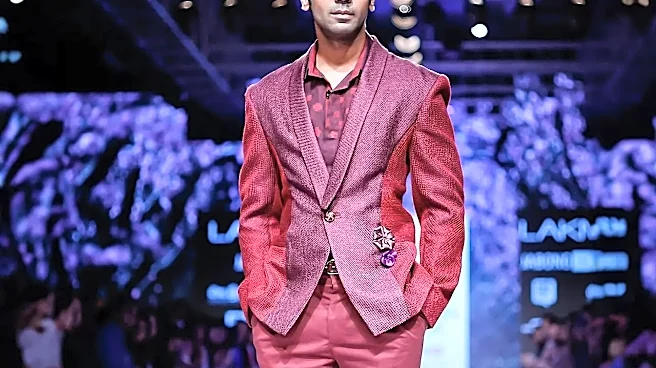
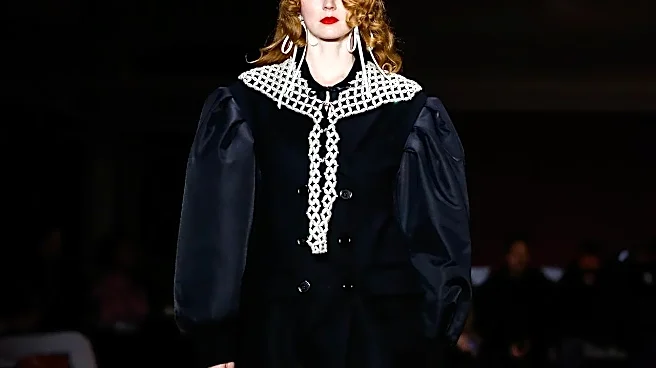
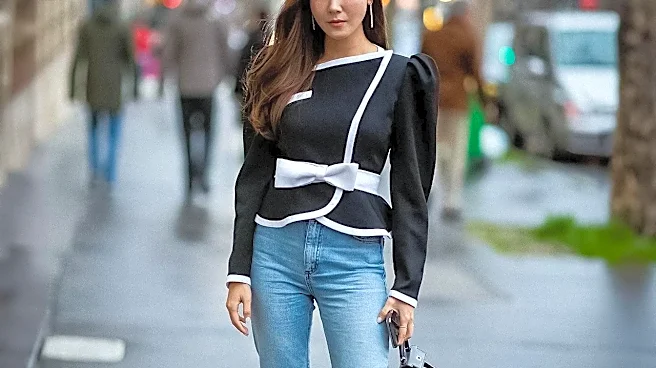
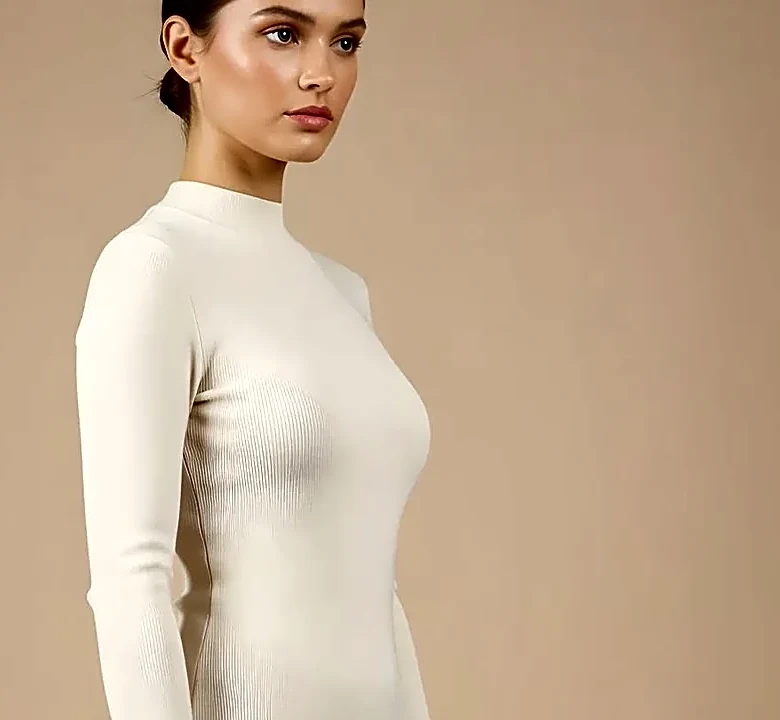
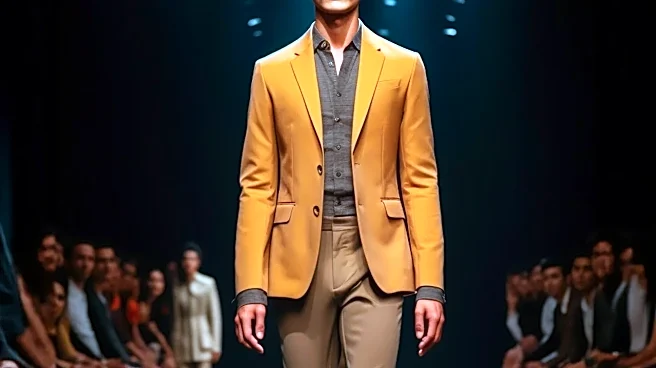
embracing a different kind of power. Instead of shouting, the clothes spoke with confidence through impeccable structure and masterful cut. The mood was described by insiders as 'minimalism 2.0,' a focus on clean lines with an emotional, almost cinematic depth. Collections from designers like Edeline Lee and Toga Archives built drama through the silhouette itself, rather than relying on statement prints. Even more telling was the frequent absence of heavy jewelry on the runway, a deliberate choice to let the garment's tailoring and form take center stage. It’s a move away from clothes as costume and a return to clothes as a craft.
From 'More Is More' to 'Better Is Better'
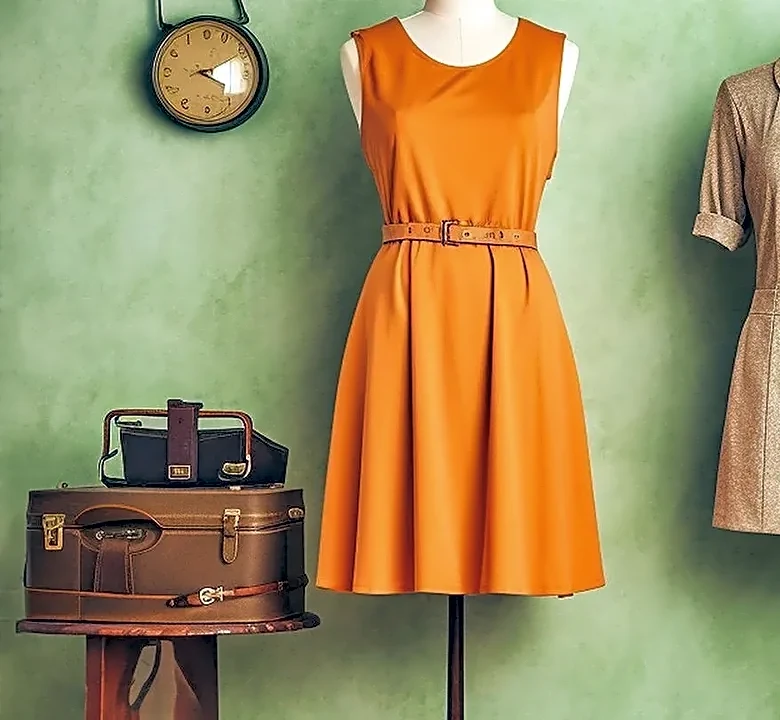
This shift isn’t happening in a vacuum. It’s a direct response to a cultural mood that is growing weary of endless consumption. After years of micro-trends and the relentless churn of fast fashion, consumers are showing a preference for buying fewer, higher-quality items. According to a recent AlixPartners report, durability and comfort are now more significant drivers for premium purchases than novelty features. People want clothes that last, and longevity is rooted in quality construction, not fleeting gimmicks. This newfound appreciation for permanence dovetails perfectly with a growing interest in sustainability. A bespoke or well-altered garment is the antithesis of disposable fashion; it’s an investment designed to be worn for decades, repaired, and even modified as styles evolve. The focus on proportion is also a reaction to the highly experimental—and often impractical—silhouettes of past seasons, such as extreme oversized construction and balloon trousers. The new emphasis is on wearable, balanced forms.
The Tailor's Unique Skillset
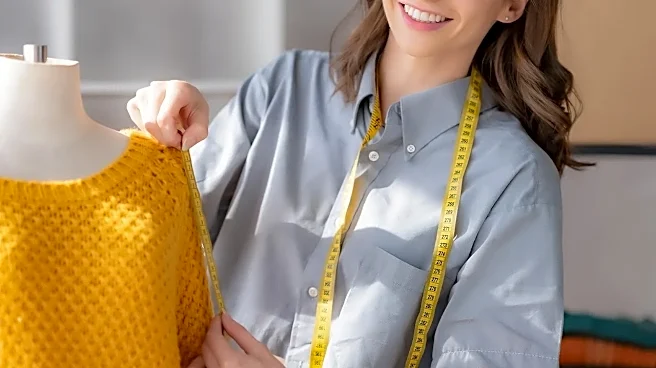
This is where the tailor reclaims their throne. While fashion designers conceive of the vision, tailors are the masters of its execution. Proportion—the harmonious relationship between the shoulder, waist, hip, and hem—is their native language. It’s a skill that cannot be replicated by mass-market manufacturing. A machine can sew a seam, but only a trained hand and eye can account for the subtle asymmetries of the human body, sculpting fabric to create the perfect drape and line. The historic home of this craft, London's Savile Row, has long been the global benchmark for structured tailoring precisely because of this meticulous, multi-fitting process. A bespoke suit from a heritage house involves drafting a unique paper pattern for each client, a process that can take up to 80 hours of hand labor to perfect. The result is a garment that isn’t just worn but is an extension of the wearer.
How the Trend Affects Main Street
The good news is that this renewed focus on fit isn’t just for the rarefied world of bespoke. The trend is trickling down, influencing everything from high-end ready-to-wear to the high street. Even major retailers like Marks & Spencer made their London Fashion Week debut, signaling a broader market interest in accessible, well-made garments. As consumers become more attuned to the importance of proportion, they are also becoming more likely to seek out alterations for their off-the-rack clothing. This creates a growing demand for local tailors and seamstresses, the experts who can turn a good-enough fit into a perfect one. Whether it’s adjusting the shoulders on a new blazer or tapering a pair of trousers, these small changes make a significant impact, allowing more people to participate in the trend without commissioning a full bespoke piece. In an era of personalization, achieving the perfect fit is the ultimate style statement.