





The Safety of the Sequel
You can’t blame studio executives for loving franchises. They are a masterclass in risk management. A sequel comes with a built-in audience, established characters, and a predictable revenue stream that extends far beyond the box office into merchandise
and theme park rides. In an industry where a new film is an expensive gamble, a franchise is the closest thing to a safe bet. It’s a model built on familiarity, offering audiences the comfort of a world they already know and love. This thinking has dominated Hollywood for over a decade, leading to a production slate where nearly all of the highest-grossing films in a given year are part of an existing property. The logic is simple: why bet the farm on an unknown original when you can service a dedicated fanbase that’s ready and waiting for the next installment?
When More Becomes Less
But the foundation of that strategy is starting to show cracks. The term “franchise fatigue” has moved from online message boards to industry boardrooms. Audiences are signaling that they’re tired of oversaturated and creatively exhausted series. For every successful sequel, there's another that underperforms, feeling more like an obligation than an event. Recent years have been littered with examples of sequels and reboots that were met with a collective shrug, from Scary Movie 6 to Mortal Kombat II, which failed to justify their existence beyond a purely commercial impulse. The problem isn’t the existence of franchises themselves, but the diminishing returns that set in when creativity takes a backseat to content production. When a story is stretched thin over too many installments, the magic fades, and audiences begin to lose trust.
The Unmatched Power of Originality
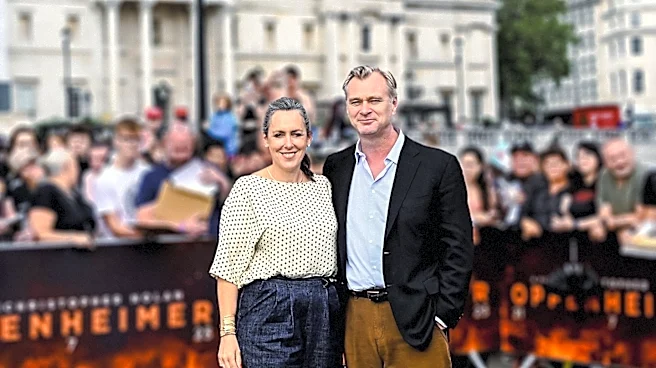
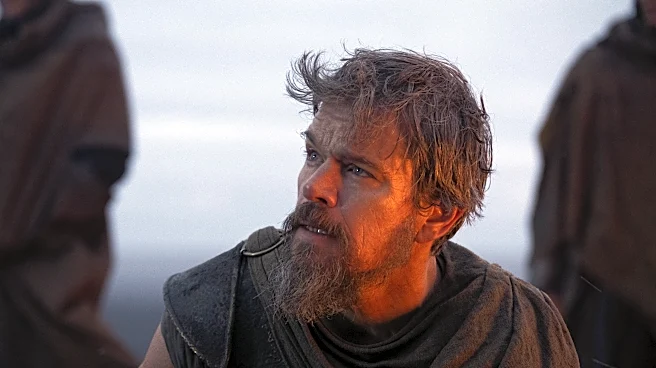
This is where the standalone epic finds its power. A film conceived as a single, complete story has a unique advantage: the element of surprise. It doesn't have to spend its runtime setting up the next three movies. It can take creative risks, tell a challenging story, and, most importantly, deliver a definitive ending. Look no further than Christopher Nolan’s Oppenheimer. A three-hour, R-rated historical drama is not, on paper, a recipe for a global blockbuster. Yet it became one of the highest-grossing films of the year, winning seven Oscars and proving that audiences are hungry for bold, original visions. Its success demonstrates a crucial point: an event film doesn't need to be part of a cinematic universe. The event can simply be the film itself—a singular, powerful experience that demands to be seen.
Redefining 'Value' in Hollywood
The franchise paradox forces us to reconsider what “valuable” really means. Is it the predictable, short-term profit of the sixth installment in a tired series? Or is it the long-term cultural and financial legacy of a film that enters the canon? A standalone epic like Oppenheimer, Inception, or Everything Everywhere All At Once doesn't just make money; it creates new cultural space. These are the films that are studied, revered, and rewatched for decades. They generate value not through endless spin-offs, but by becoming modern classics. Their success can be an encouraging sign for a post-franchise landscape, proving that originality isn't just an artistic gamble but a strategic one. A studio that releases one of these films doesn't just have a hit; it has an asset that will appreciate in cultural and financial worth for generations, something a forgettable sequel rarely achieves.