




The Ultimate Pressure Cooker
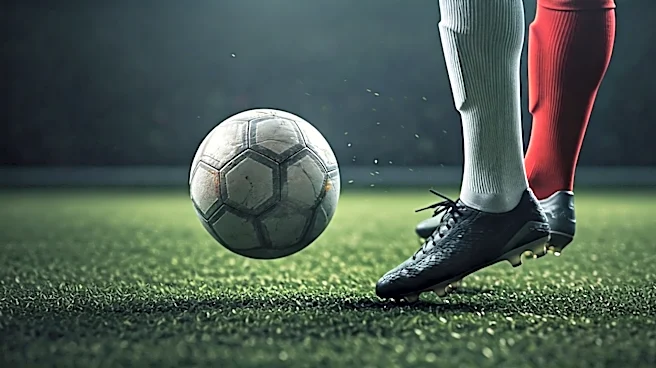
The walk from the center circle to the penalty spot is a singular crucible of psychological pressure. Research shows this is often the most stressful part of the entire ordeal. The player is isolated, the crowd noise is deafening, and the stakes are absolute.
Under this immense stress, the brain's fear center, the amygdala, can go into overdrive, causing heart rates to spike and muscles to tense. This is why a penalty taken during a shootout has a lower success rate—around 76%—than one taken in the normal flow of a game, which is converted about 85% of the time. The fear of being the one who misses and sends your team home is a heavy burden. Studies show that when a player must score to avoid elimination, their success rate can drop below 60%. Yet, when they have a kick to win the whole thing, the rate soars to over 90%, illustrating the profound difference between opportunity and threat.
The Mind Game Duel
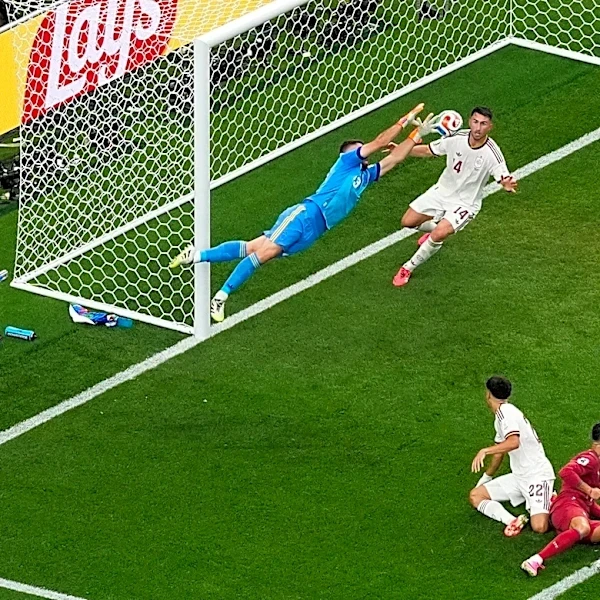
The penalty isn't just a physical act; it's a high-speed chess match between kicker and goalkeeper. The keeper isn't expected to make the save, which can be a psychological advantage, making each stop feel like a bonus. They employ a range of tactics, from pointing and gesturing to delaying the kick, all designed to disrupt the kicker's focus. For the taker, the key is often to simplify. Research indicates that players who pick a spot and commit to it have a higher success rate than those who try to react to the keeper mid-runup. Another crucial element is time. Players who rush their shot—taking it less than a second after the referee's whistle—score far less frequently than those who take a moment to compose themselves. That brief pause is a sign of control, a mental reset before executing a skill honed over thousands of hours of practice.
The Baseball Closer Connection
For American sports fans, the role of a soccer penalty specialist is best understood through the lens of a baseball closer. Both are specialists brought into the highest-leverage situation imaginable to perform a single, decisive task. A closer in baseball is often the team's best reliever, someone chosen for their ability to handle intense pressure and get the final outs when the game is on the line. They don't need a wide variety of pitches; they need one or two overpowering ones and nerves of steel. Similarly, a penalty taker doesn't need to be the most complete player on the field. They need a repeatable, reliable shooting technique and the mental fortitude to execute it when everything is at stake. Like a closer jogging in from the bullpen, the penalty taker enters a game that has been raging for two hours and is asked to end it with one swing of their leg.
Technique Meets Nerves
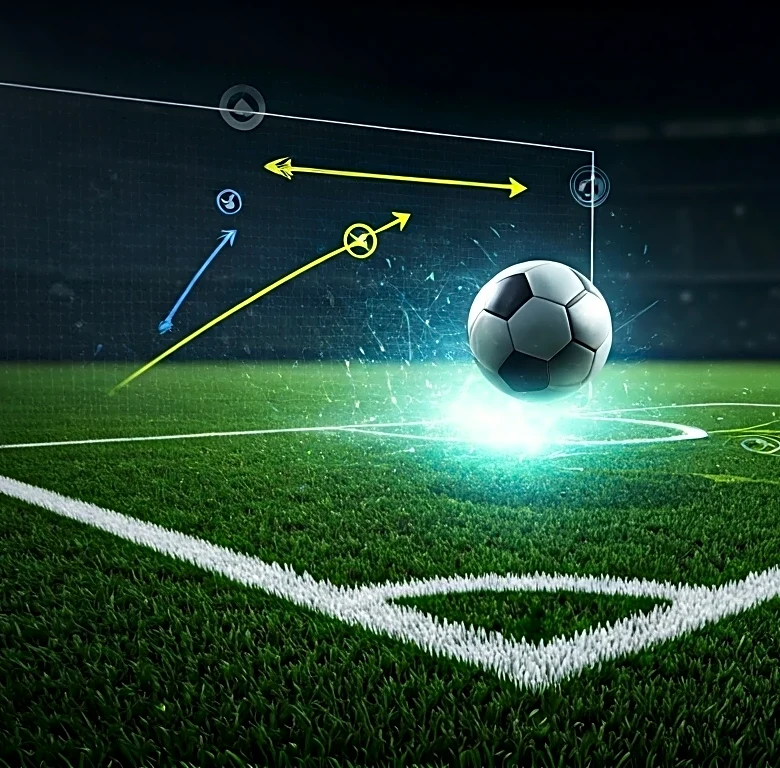
Beneath the psychological drama lies a foundation of pure technique, warped and tested by physical and mental fatigue after 120 minutes of play. There isn't one single correct way to take a penalty. Some players, like sprinters, rely on sheer power, knowing that a well-struck ball is nearly impossible to stop regardless of direction. Others, like artists, prioritize placement, aiming for the upper corners of the goal where saves are statistically rarest. Studies show that while shots to the upper third are riskiest, they are almost never saved if on target. The most successful takers often develop a pre-kick routine, a sequence of actions that helps quiet the mind and trigger muscle memory. They visualize success, use positive self-talk, and focus on their process, not the outcome. This transforms the kick from a panicked reaction into a controlled, deliberate act of skill.