


The Red Carpet as a Workplace
Think of the main awards show red carpet as the most glamorous office on Earth. For celebrities, this is work. Their arrival is a high-stakes performance involving multi-million dollar brand contracts, anxious publicists, and designer gowns often chosen
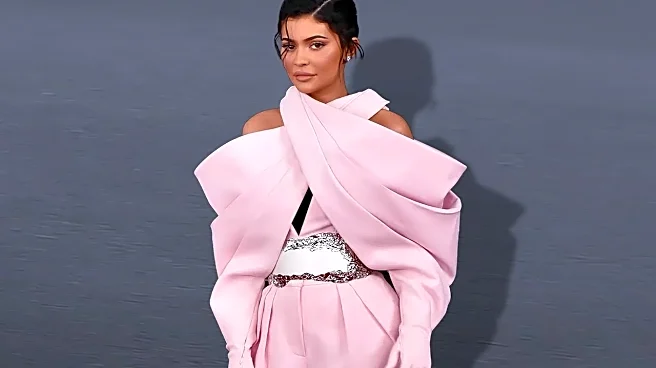
for them, not by them. The primary goal is to create a perfect, static image that will be blasted across the internet. These outfits are engineered for the step-and-repeat: structured, often restrictive, and designed to look breathtaking from one specific angle. Comfort and mobility are afterthoughts. It’s less about personal style and more about fulfilling a professional obligation to look iconic, untouchable, and on-brand. The pressure is immense, and the fashion, while stunning, can sometimes feel like a beautiful but impersonal uniform.
The After-Party as a Playground
Once the trophies are handed out and the live broadcast ends, everything changes. The after-parties are where celebrities get to be themselves. The obligation is over, the heels come off (or get swapped for something danceable), and the outfits reflect a massive shift in mood. This is their time to celebrate, let loose, and actually have fun. The fashion becomes personal, playful, and often, much more daring. We see shorter hemlines, lighter fabrics, and silhouettes designed for movement and socializing, not just posing. It's in these moments, away from the main telecast's scrutiny, that an artist’s true personality and style sensibilities emerge. This is fashion for the person, not the persona.
From Sculptural Gowns to Shimmering Minis
The transformation can be dramatic. An artist who walked the red carpet in a voluminous, architectural gown that required its own entourage might show up at a private bash in a glittering, see-through mini-dress. The message is clear: the performance is over. We see this pattern at every major awards show, from the Oscars to the Met Gala. Stars frequently trade heavy, formal attire for what can only be described as a party-ready uniform: sheer fabrics, high slits, and lots of sparkle. At past events, style icons have swapped couture gowns for everything from edgy, lingerie-inspired looks to chic, dance-friendly rompers. This quick-change artistry highlights the fundamental difference between dressing for the cameras and dressing for a good time.
A Tradition of Rebellion
More than any other awards show, the VMAs have a legacy of rebellious, boundary-pushing fashion. It’s the home of Madonna’s “Like a Virgin” wedding dress, Rose McGowan’s infamous beaded-string dress, and countless other moments designed to provoke and surprise. The after-parties are the modern extension of this spirit. While the main show is still a broadcast event with certain standards, the private parties are where the truly edgy and experimental looks come out to play. Away from network censors, stars are free to embrace even more revealing or avant-garde designs that feel true to the chaotic, anti-establishment heart of the VMAs. The after-party isn't just an afterthought; it's the final, unfiltered act of the VMA's fashion story.