



1. Know the Code Before You Shop
Before you fall in love with a decades-old frock, you must become a student of the Royal Ascot Style Guide. This isn't just a suggestion; it's a condition of entry for the main enclosures. The rules are specific and non-negotiable. For the Royal Enclosure,
dresses must fall to the knee or longer, and straps on dresses and tops must be at least one inch wide. Strapless, off-the-shoulder, and halter styles are forbidden. The Queen Anne Enclosure is slightly more relaxed but still maintains a formal standard. Visiting the official Ascot website to review the current year's guide is the single most important first step. This knowledge transforms your vintage hunt from a romantic treasure search into a targeted mission.
2. Select the Perfect Vintage Canvas
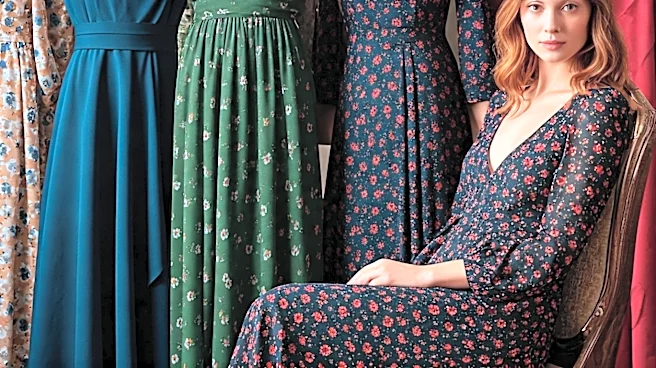
With the dress code as your guide, you can start the fun part: finding the dress. Look for silhouettes from the 1950s and 60s, which often feature modest necklines, defined waists, and fuller, knee-length skirts that align perfectly with Ascot's classic aesthetic. A 1970s midi or maxi dress in a sophisticated print can also be a wonderful choice. Pay close attention to fabric and condition. Look for quality materials like silk, crepe, or fine cotton. Minor flaws like a loose seam or a missing button are easily fixed, but avoid anything with significant stains, fabric rot, or irreparable damage. Remember, you're looking for a dress with good bones that you can elevate, not a project that requires a complete overhaul.
3. Embrace the Magic of Tailoring
A great tailor is your secret weapon for transforming a vintage find into a bespoke-feeling masterpiece. Very few off-the-rack items, vintage or new, fit perfectly. A tailor can adjust the waist, nip in the bodice, and, most crucially, ensure the hemline hits at or below the knee. This is also your opportunity to make rule-abiding modifications. Found a beautiful dress with spaghetti straps? A skilled tailor can add wider, complementary straps or even chic cap sleeves using discreetly sourced matching fabric. This not only makes your dress compliant but also adds a custom touch that makes the piece uniquely yours. A perfect fit is the ultimate luxury and the key to looking polished and modern.
4. The Headpiece: Your Modern Counterpoint
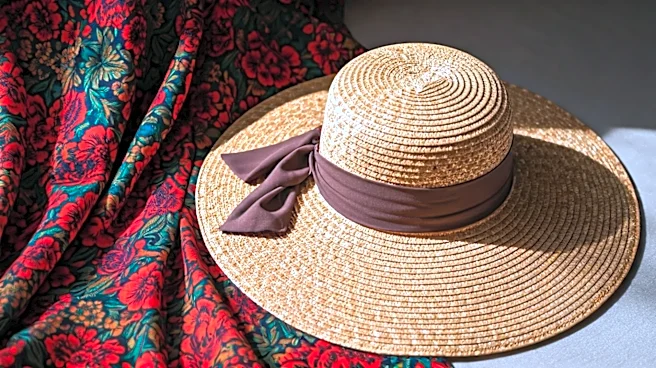
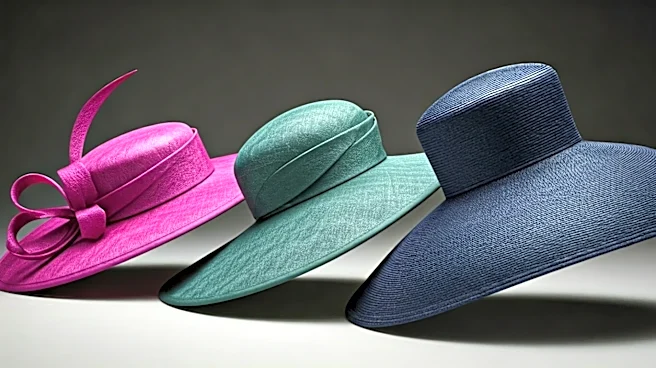
At Ascot, a hat or headpiece is mandatory. This is where you can bridge the gap between vintage and contemporary. Pairing a vintage dress with a modern, architectural hat or a sculptural fascinator (with a solid base of at least 4 inches, as per the Royal Enclosure rules) creates a dynamic, high-fashion look. Avoid trying to match the era of your dress with a vintage hat, which can risk looking costumey. Instead, think in terms of balance. If your dress is floral or features a busy print, opt for a simple, single-color headpiece. If your dress is a solid color, you can be more adventurous with your millinery. The headpiece should complement the dress, not compete with it.
5. Curate Your Accessories Carefully
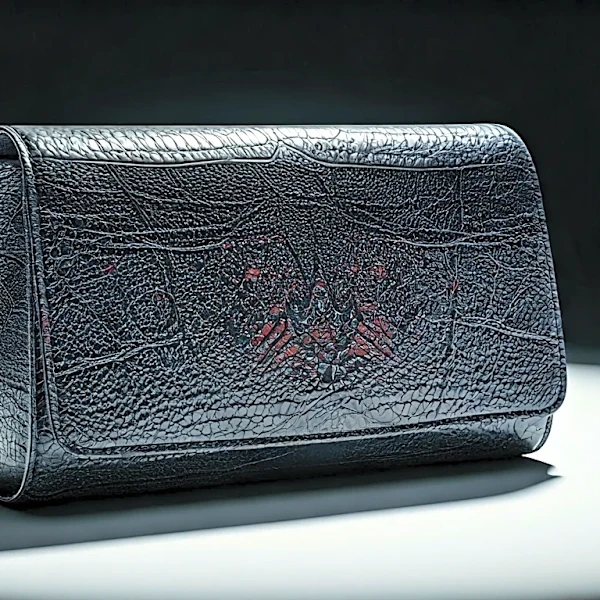
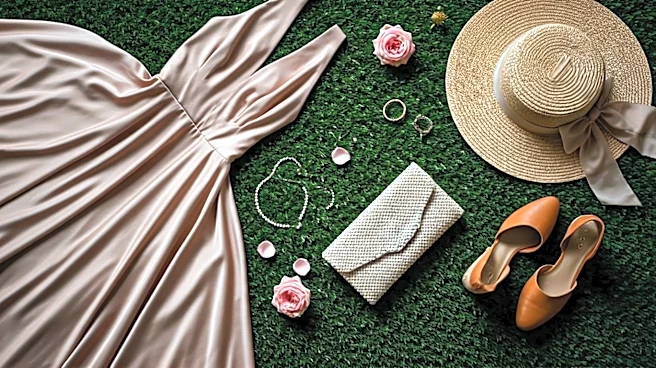
Accessories are the finishing touches that pull the entire outfit together. For shoes, choose a comfortable yet elegant block heel or wedge, as you'll be on your feet for hours, often on grass. A sharp, modern court shoe in a neutral or complementary color is a foolproof choice. Your handbag should be small and structured; a simple clutch or a small top-handle bag works best. When it comes to jewelry, less is more. The vintage dress is already a conversation piece. Opt for simple, elegant items like pearl studs, a delicate bracelet, or a classic watch. The goal is to let the dress shine while your accessories provide a clean, modern frame.