
The Festival Is the Headliner
The single biggest reason EDC lineups feel different is that the festival itself is the main attraction. While other major festivals sell tickets based on securing two or three massive, genre-spanning headliners—a Taylor Swift, a Rage Against the Machine,
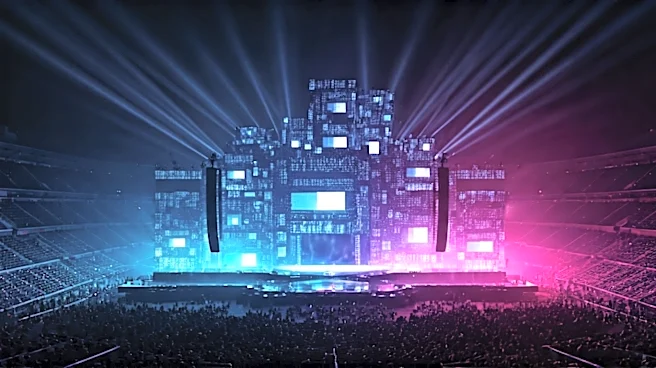
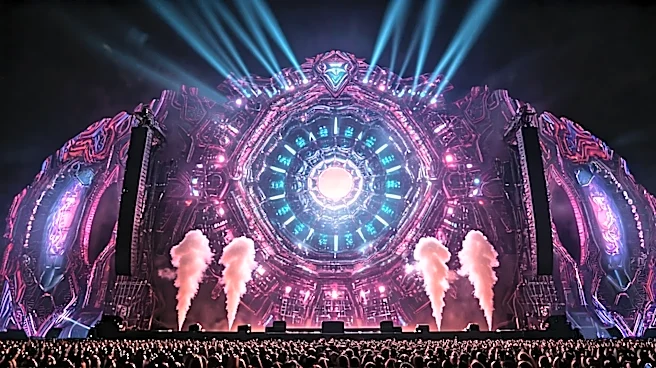
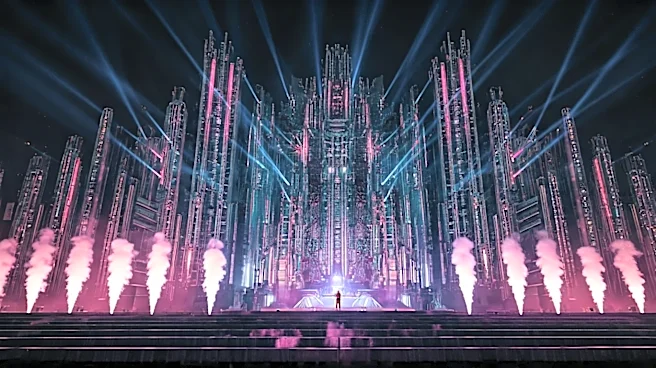
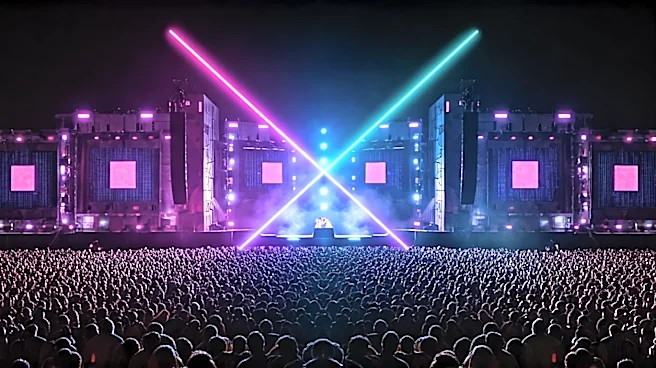
a Bad Bunny—Insomniac, the company behind EDC, has a different value proposition. They are selling an immersive, all-encompassing experience. The slogan isn't “Come see these three artists”; it's “Welcome home.” From the larger-than-life art installations and roaming performers to the nightly fireworks and carnival rides, the environment is curated to be the star. The music is the lifeblood and soundtrack to that world, but it’s one element of a much larger whole. This philosophy means they don’t need to structure the poster around a few giant names at the top. Instead, they can present a sprawling menu of options within the world they’ve built.
A Universe of Sub-Genres
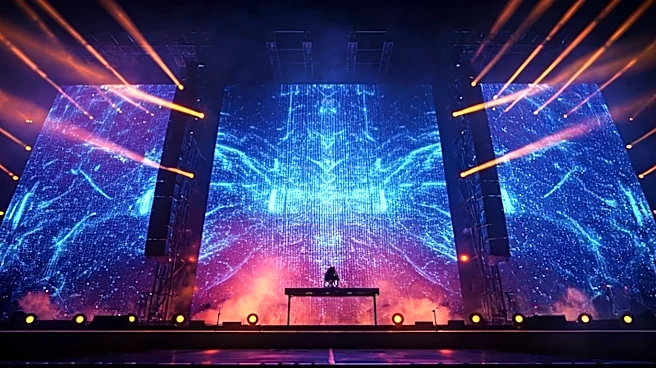
A “normal” concert bill is built on broad-appeal genres: rock, pop, hip-hop, indie. The EDC lineup is built on the vast, intricate, and deeply tribal ecosystem of electronic dance music sub-genres. To an outsider, it’s all “EDM.” To a fan, the difference between techno and trance, or hardstyle and drum & bass, is as significant as the difference between punk and folk. EDC doesn’t book for a general audience; it books for dozens of hyper-specific audiences simultaneously. Each of its eight or more stages often becomes a dedicated sanctuary for a particular sound. The quantumVALLEY stage is a haven for trance purists. The neonGARDEN caters to house and techno aficionados. Bassrush hosts the bassPOD for fans of dubstep and its aggressive relatives. The lineup poster reflects this. It’s not a pyramid with one artist at the top; it’s a map of different territories, each populated by its own kings and queens. For attendees, the goal is often to spend an entire night exploring one sound, making the stage, not just the DJ, the destination.
The Economics of a DJ
There’s also a practical and economic component. Booking a major touring rock band or pop superstar involves immense logistical and financial overhead. It requires their full stage production, a massive crew, and a set time that doesn’t conflict with their demanding tour schedule. Their fee reflects this, often running into the millions for a single performance. Top-tier DJs are expensive, but the model is different. A DJ's technical setup is relatively standardized—a booth with CDJs and a mixer. This allows a festival to stack a stage with superstar after superstar, one after another, creating a continuous flow of music. It’s possible to see five globally renowned DJs on one stage in a single night, something that would be logistically impossible with full bands. This creates a lineup that feels incredibly deep. The bill isn't top-heavy; it's a dense field of talent from top to bottom, reinforcing the idea of a musical smorgasbord rather than a formal, multi-course meal.
Label Loyalty and Community Curation
Finally, the structure of the EDC lineup speaks to a unique aspect of dance music culture: loyalty to labels and collectives. Many stages at EDC are “hosted” by specific brands or record labels for a day. You might see an Anjunabeats-hosted stage, where the entire day is dedicated to artists from that beloved trance and progressive house label. Or a Kaskade-helmed “Kx5” block. This is a powerful tool for curation. It tells fans with a specific taste, “This is your home for the night.” It transforms the lineup from a simple list of performers into a series of curated experiences. Fans follow labels like they follow sports teams, trusting their taste and showing up for the collective sound. This approach fosters a powerful sense of community and makes the lineup poster a guide to finding your tribe within the larger festival population.