

The Illusion of the All-Purpose Spray
Walk down any beauty aisle and you'll see a wall of hairsprays that all seem to promise the same thing: perfect, lasting hold. It's easy to assume they're interchangeable, but that's the first mistake. Stylists often work with a full arsenal of products,
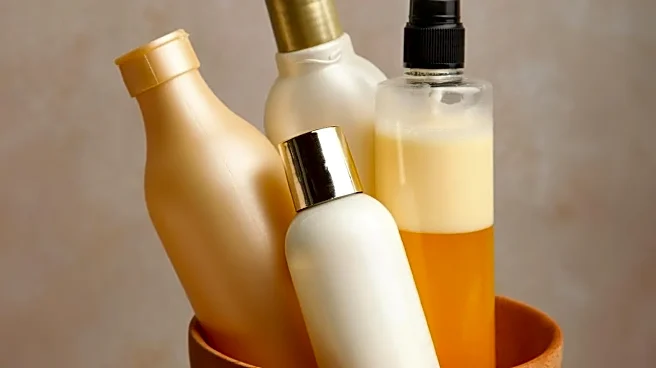
switching between them for different stages of styling, but clients at home often think one can should do it all. Hairspray isn’t just a single product; it's a category. Each type is formulated with specific polymers—the ingredients that create hold—and solvents that determine how quickly it dries and how stiffly it sets. Using the wrong one is like using a sledgehammer for a task that needs a finishing nail.
Decoding the Levels of Hold
The most basic distinction is the hold level: light, medium, and strong. A light or flexible hold spray is what stylists often call a "working spray." It's designed for use during the styling process to give hair some memory and tame flyaways without making it rigid. Think of it for soft waves or styles that need natural movement. Medium hold is the versatile middle ground, ideal for keeping less structured styles in place without sacrificing all movement. Strong hold, sometimes called freeze or max hold, is for locking in a finished style. It’s the final step for intricate updos, sleek ponytails, or any look that needs to defy gravity and humidity for hours.
The Nuance: Finishing vs. Texturizing Sprays
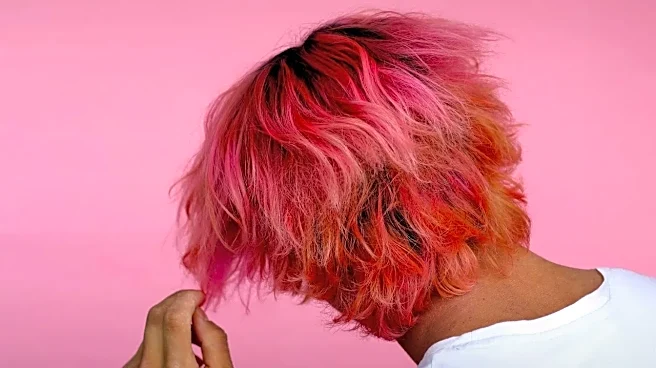
Here’s where the real insider knowledge comes in. The terms "finishing spray" and "hairspray" are often used interchangeably, but there's a key distinction. A finishing spray is any spray meant to be used at the end of styling to add shine, tame frizz, or provide a final layer of hold. However, a texturizing spray does something entirely different. It's designed to add grit, volume, and a lived-in, tousled look without the stiffness of a traditional hairspray. If you want beachy waves or effortless body, a texturizing spray is your tool. A strong-hold spray would kill the vibe, creating crunchy separation instead of soft texture.
Specialty Sprays for Specific Jobs
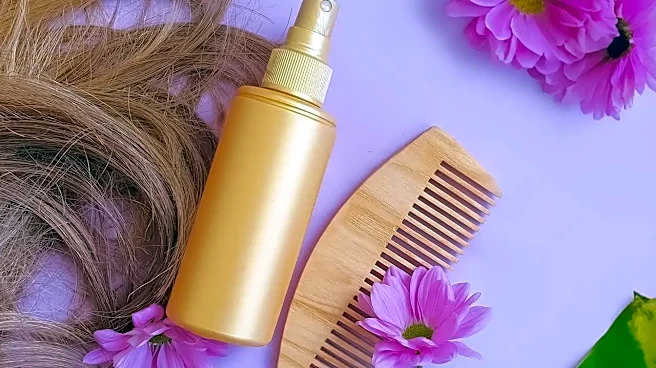
Beyond hold and texture, there are other formulas for specific needs. Volumizing sprays are engineered to add body, often by being applied at the roots, but they can make thick or curly hair appear puffy if used incorrectly. Thermal sprays are a must if you use heat tools. They create a protective barrier to shield hair from damage, something a regular hairspray is not designed to do. In fact, using a standard, alcohol-heavy hairspray before a hot tool can damage your hair. There are also anti-frizz sprays formulated to create a shield against humidity, and even alcohol-free options for those with dry or curly hair who need hold without the dehydrating effects of ethanol.
How to Use It Like a Pro
Even the perfect product can fail with bad technique. The most common mistake is spraying too much, too close. This concentrates the product, leading to stiffness, stickiness, and buildup that weighs hair down. The professional standard is to hold the can about 8 to 12 inches from your dry hair and apply it in a light, continuous mist. For better volume, try sectioning your hair and spraying underneath each layer rather than just coating the top. And give the spray a few seconds to dry before touching your hair; this allows the polymers to set properly and lock in your style.