







Narrative Over Novelty
Step into Frieze Masters, and you’re not just seeing objects for sale; you're entering a series of meticulously crafted stories. Galleries don't simply hang paintings; they create dialogues across centuries. A Roman bust might be placed in conversation
with a modern painting, each lending the other a deeper meaning. The fair is built on this idea of 'rigorous scholarship' and 'rediscovery'. This year, a special section titled 'Queering Modernism' reframes 20th-century art history, highlighting underappreciated LGBTQIA+ artists and narratives. Fashion, by contrast, often operates in a state of cultural amnesia. Trends surface on social media—a 'new' silhouette, a particular color—divorced from their origins. The 'mob wife' aesthetic appears without a nod to its cinematic roots, and styles are plucked from subcultures without credit. While Frieze Masters shows that weaving a narrative makes an object more compelling, fashion’s high-speed cycle often strips its creations of the very stories that could give them lasting power.
Provenance Is More Than a Label
In the art world, provenance—the documented history of an object's ownership—is everything. A painting once owned by a famous collector or exhibited at a major museum can see its value skyrocket, not just because of its quality but because of its story. This paper trail provides proof of authenticity, adds a layer of cultural significance, and builds buyer confidence. The fashion industry has its own form of provenance: the archive. Brands like Gucci, Dior, and Chloé are increasingly treating their archives not as dusty closets but as strategic assets. By reissuing or reinterpreting iconic pieces, they tap into a powerful sense of nostalgia and authenticity that resonates with consumers tired of fleeting trends. Yet, for many brands, this remains an underutilized tool. The story of who designed a piece, the craftsmanship involved, or the cultural moment it first appeared in is a form of value that fast fashion, by its very nature, cannot replicate. In a market saturated with dupes and micro-trends, a verifiable history is the ultimate mark of luxury.
Embracing Age and Imperfection
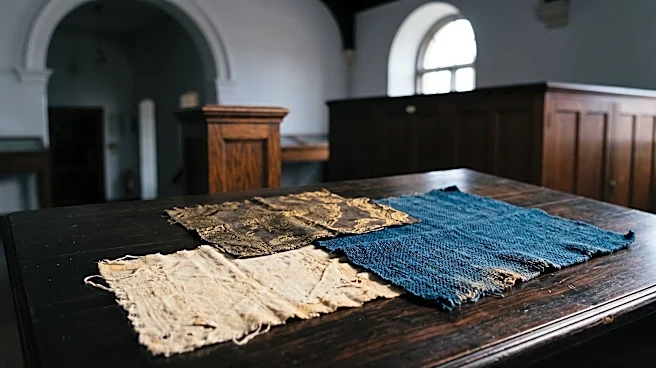
Frieze Masters celebrates the beauty of age. A 16th-century cup shaped like a shoe, a Renaissance tapestry with faded threads, or a sculpture bearing the marks of time are valued precisely for their survival and history. The patina of age is a mark of authenticity, not a flaw. Fashion, however, is built on a cult of the new. We are conditioned to seek the pristine, the untouched, and the current season’s model. The slightest sign of wear is often seen as a reason to discard and replace. This mindset fuels a cycle of overproduction and disposability. But a shift is happening. The rise of vintage, resale, and visible mending suggests a growing appreciation for longevity. By learning from the art world's reverence for history, fashion could reframe its relationship with time. Instead of just selling a new jacket, it could sell a piece designed to last, to be repaired, and to accumulate its own story—its own provenance—over a lifetime of wear.
Building Desire Beyond the Hype
Ultimately, what Frieze Masters demonstrates is a different model for creating desire. It's not based on a frantic fear of missing out or the endorsement of a fleeting influencer. It's a deeper, more intellectual desire built on rarity, scholarship, and the power of a unique story. The fair's curated sections, which often focus on reviving the reputations of overlooked artists, show that value can be created through careful contextualization. The fashion industry's current model largely relies on manufactured hype and accelerated trend cycles, which often leads to creative burnout and consumer fatigue. Luxury houses have become more adept at leveraging their heritage, but the broader industry still chases the ephemeral. The lesson isn't for every clothing brand to function like a museum. It's about recognizing that in an age of infinite content and disposable products, context is the rarest commodity of all. The brands that learn to tell compelling stories will be the ones whose legacies endure.