








What Exactly Is a Graduated Necklace?
Before diving into its investment appeal, let's clarify what a graduated necklace is. It's a single-strand style where the gemstones—be it pearls, diamonds, or beads—subtly and progressively increase in size toward the center. The smallest elements sit
near the clasp, creating a graceful arc that culminates with the largest, most prominent stone resting at the front. This isn't about one giant pendant; it's about a meticulously arranged flow that creates a natural, symmetrical focal point. This design has been a staple for centuries, often associated with heirloom quality and timeless elegance.
The Artistry of the Cascade
The primary driver of a graduated necklace's value is the immense skill required to create one. Unlike a uniform strand where every gem is the same size, a graduated piece is a masterclass in matching. For a pearl necklace, a jeweler must sort through a vast quantity of pearls to find pairs that match perfectly in size, color, and luster for each step of the graduation. This painstaking process is even more complex for gemstones, where cut and clarity must also align perfectly. This level of craftsmanship is a form of rarity in itself. In a market increasingly flooded with mass-produced items, the artistry and precision inherent in a well-made graduated necklace give it a significant edge in long-term value.
A Hedge Against Homogeneity
In 2026, the jewelry world is seeing a major pushback against fleeting trends in favor of pieces with personality and permanence. Consumers are increasingly seeking "neo-vintage" styles—modern pieces inspired by classic designs that offer history and character. The graduated necklace fits perfectly into this movement. It feels more distinctive and intentional than a simple, uniform strand. As shoppers prioritize longevity and unique storytelling in their purchases, the subtle complexity of a graduated design makes it stand out. It’s an investment in a piece that feels both personal and timeless, sidestepping the short-lived hype that can cause other styles to lose their appeal.
Versatility in Value: From Pearls to Diamonds
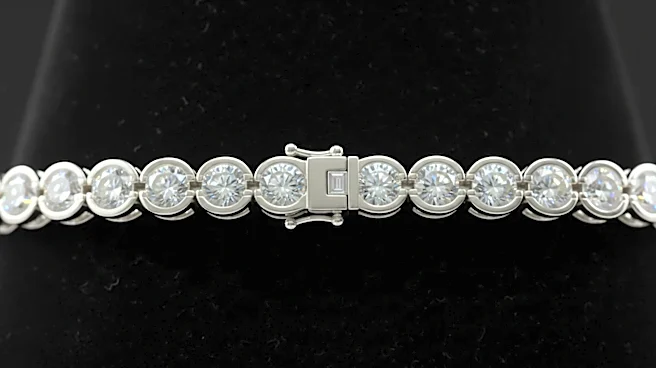
The graduated style is not limited to a single material, which enhances its investment potential across different categories. Graduated pearl necklaces, for instance, are iconic, with famous examples like the Cowdray Pearl Necklace fetching millions at auction due to their perfect graduation. The style is also prominent in diamond "riviera" necklaces, where the cascading sparkle creates a dramatic and luxurious effect. The principle holds true for colored gemstones as well, where the graduation can highlight the nuances of stones like sapphires or emeralds. This versatility means the design itself has an established prestige that elevates the intrinsic value of the materials used, whether they are classic pearls or brilliant-cut diamonds.
How to Spot a True Investment Piece
When considering a graduated necklace as an investment, look beyond the initial appeal. First, examine the quality of the transition. The change in size from one stone to the next should be smooth and symmetrical on both sides. Second, assess the quality of the individual gems, paying attention to the "4 Cs" for diamonds (cut, color, clarity, carat) or the key value factors for pearls (luster, size, shape, surface quality). Finally, consider the overall craftsmanship of the piece, including the clasp and the stringing. A true investment piece is one where high-quality materials are enhanced by expert execution. In a market where consumers are placing more value on longevity and wearability, the graduated necklace proves to be a choice that is both beautiful and built to last.