







The Anatomy of a Miss
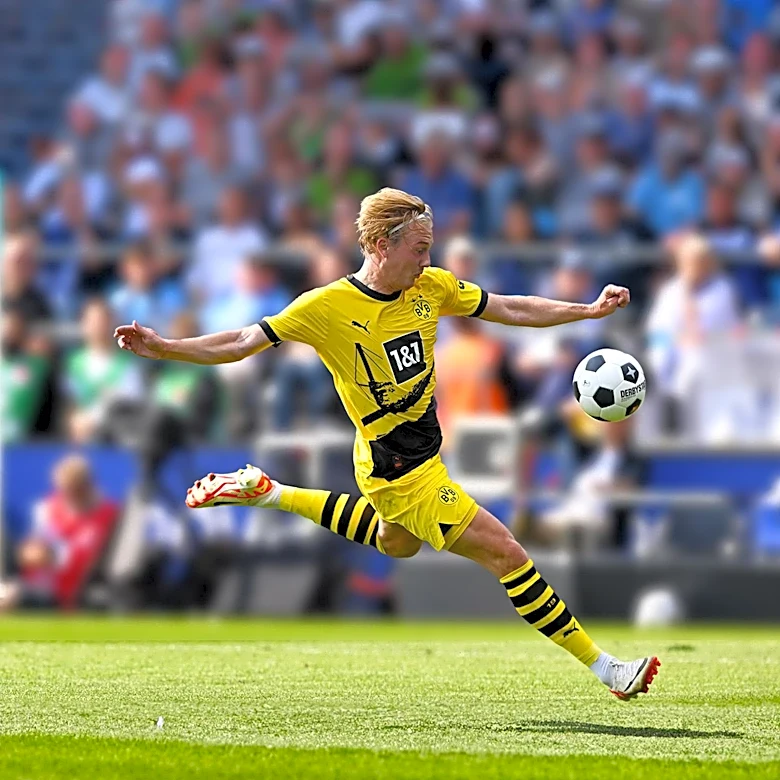
On paper, it looks simple. A professional athlete, paid millions to perform a specific skill, is presented with a chance they’ve converted thousands of times in training. The ball arrives perfectly. The goal is gaping. Time seems to slow down. But then,
a snatch, a lean back, a moment of indecision—and the ball sails harmlessly over the crossbar. What happened? In those crucial milliseconds, the brain can become an athlete's worst enemy. Instead of relying on muscle memory, a player starts to think. They think about the score, the crowd, the consequences of missing. This cognitive overload interferes with the fluid, automatic movements required for an elite finish. The brain’s fear center, the amygdala, can become overactive in high-pressure situations, triggering a fight-or-flight response that leads to muscle tension and hesitation—a state completely at odds with the relaxed precision needed to score.
The Confidence Cascade
One miss is just an error. Two is a coincidence. Three is a pattern. And that pattern is where confidence begins to crumble and turn into fear. Psychologists call this a negative feedback loop. An athlete who misses a chance may start to engage in negative self-talk, replaying the mistake in their mind. This rumination chips away at their self-belief. The next time a similar opportunity arises, they aren't just playing against the opponent; they're playing against the memory of their last failure. The fear of making another mistake leads to tentative play. They might take an extra touch, giving a defender time to close them down, or opt for a safer, less effective pass instead of taking the shot. Every subsequent miss reinforces the fear, creating a self-fulfilling prophecy where the player is so afraid of failing that they almost guarantee it.
A Contagion on the Field
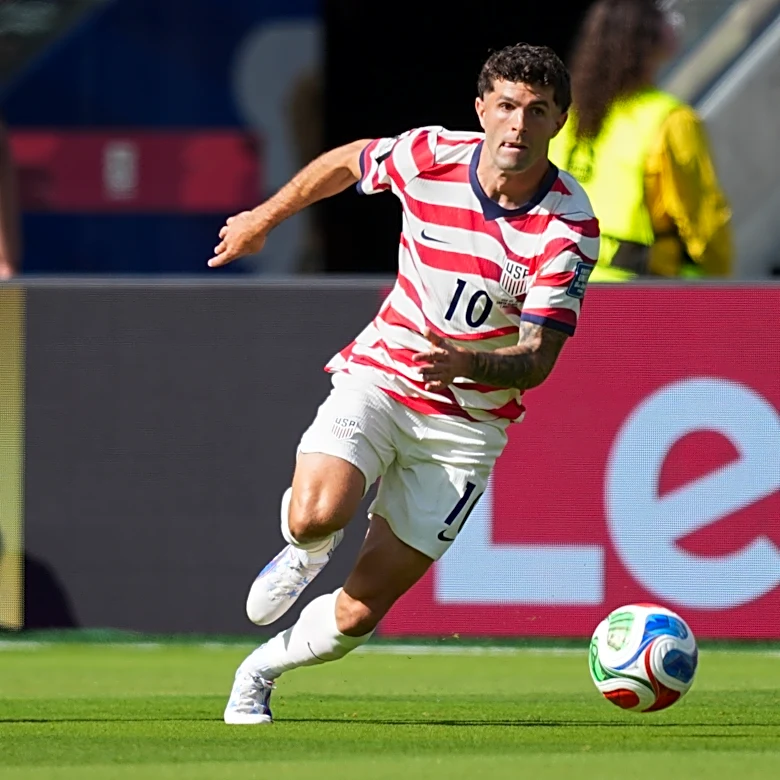
This crisis of confidence is rarely isolated to a single player. It can spread through a team like a virus. When a star striker suddenly can't find the net, the anxiety is palpable. Teammates might become hesitant to pass to them, altering the team's entire attacking dynamic. The pressure on other players to score increases, making them more likely to snatch at their own chances. The collective belief of the team starts to wane. You can see it in their body language: slumped shoulders, frustrated gestures, and arguments. Fans in the stadium sense it, too. The roar of anticipation that once greeted an attack is replaced by a collective groan of anxiety. This creates an environment thick with pressure, making it even harder for players to break the cycle. A team that was once free-flowing and aggressive becomes cautious and predictable, their fear of conceding a goal often matched by their fear of missing one.
Breaking the Vicious Cycle
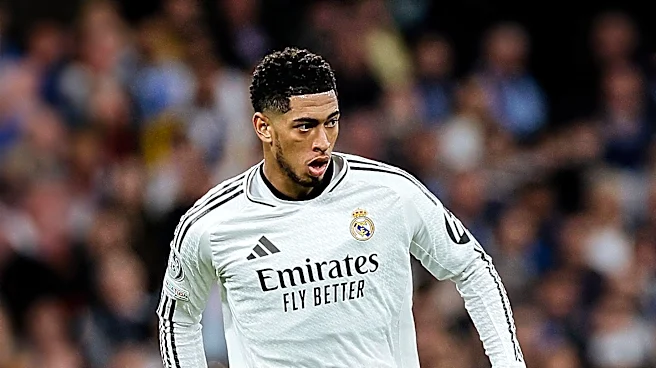
So how do athletes and teams escape this spiral? Coaches and sports psychologists focus on shifting the player's mindset from outcome to process. Instead of obsessing over whether the ball goes in, the focus returns to the small, controllable actions: a clean first touch, a sharp movement, striking the ball correctly. Visualization techniques, where players mentally rehearse successful plays, are used to rebuild confidence and reinforce positive neural pathways. Coaches often emphasize a "next play mentality," teaching athletes to immediately forget a mistake and focus entirely on the present moment. A great example is a top-level striker who misses an easy chance but continues to get into scoring positions, trusting that their skill will eventually lead to a goal. This resilience is a trainable skill, built on the understanding that one miss is just a single event, not a verdict on their ability.