
Step 1: Immediately Cool Things Down
The moment you notice a sunburn, your first move should be to get out of the sun and cool your skin. The American Academy of Dermatology recommends frequent cool baths or showers to help relieve the pain.
This isn't just for comfort; cooling the skin helps reduce inflammation. When you get out of the water, gently pat your skin dry with a soft towel—don't rub, as that can cause more irritation. For targeted relief, a cool, damp washcloth can be applied to the most painful areas. One important note: avoid putting ice or an ice pack directly on your skin, as the extreme cold can cause further damage to your already compromised skin tissue.
Step 2: Moisturize While Skin is Damp
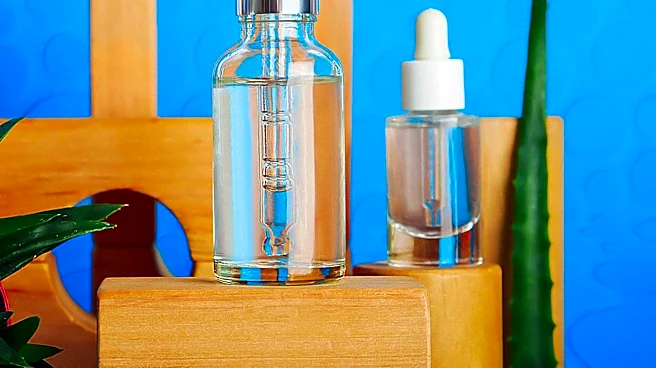
After a cool shower, and while your skin is still slightly damp, it's time to moisturize. This helps trap water in the skin, which is crucial for healing and preventing dehydration. Look for a gentle, fragrance-free moisturizer that contains soothing ingredients like aloe vera or soy. Aloe vera is a classic choice for a reason; its anti-inflammatory properties and high water content cool and hydrate irritated skin. Other beneficial ingredients include ceramides, glycerin, and hyaluronic acid, which all help repair the skin's damaged barrier. It can also be helpful to keep your moisturizer in the refrigerator for an extra cooling effect upon application.
Step 3: Hydrate From the Inside Out
A sunburn draws fluid to the skin's surface and away from the rest of your body, putting you at risk for dehydration. That's why it's essential to drink extra water while you're healing. Keeping your body well-hydrated helps your skin repair itself from the inside. While you focus on drinking water, you can also consider taking an over-the-counter pain reliever like ibuprofen or aspirin. These can help reduce swelling, redness, and discomfort associated with the burn.
Step 4: The 'Do Not Use' List
What you don't put on your skin is just as important as what you do. Avoid products containing alcohol, which can dry out and further irritate your skin. You should also steer clear of heavy, oil-based ointments or petroleum jelly in the early stages, as they can trap heat and make the burn feel worse. Many experts also advise against using topical anesthetics with ingredients ending in "-caine," like benzocaine or lidocaine, unless recommended by a doctor, as they can cause allergic reactions on sensitive skin.
Step 5: Be Gentle and Leave It Alone
Your skin is fragile and working hard to heal, so the best thing you can do is be gentle. Wear loose, soft, breathable clothing that won't rub against your burn. If your skin starts to blister, it means you have a second-degree sunburn. Do not pop the blisters. They form to help your skin heal and protect it from infection. Let them heal on their own. Similarly, if your skin begins to peel, resist the urge to scratch or pull it off. This is your body's way of shedding the damaged cells. Instead, continue to moisturize gently to help the process along.
When to See a Doctor
Most sunburns can be treated at home. However, some cases require medical attention. You should seek help if you have severe blistering, especially over a large area of your body. Other warning signs include a high fever, chills, headache, confusion, or nausea, which could be symptoms of a more serious condition like sun poisoning or severe dehydration. If the pain is intense and not managed by over-the-counter medication, or if you see signs of infection like increased swelling or pus, it's time to call a professional.