


More Than Just Flower Power
The bohemian look of the 1970s was a direct extension of the 1960s counterculture, but it evolved from protest signs to personal statements. While the peace sign remained, the accessories that defined the decade's hippie aesthetic were about building
a new identity. This wasn't about following trends from a department store; it was a rejection of that very idea. Every layered necklace, handcrafted bracelet, or worn-in leather bag was part of a philosophy that prized freedom, individuality, and a return to nature. These items were tangible expressions of a worldview, turning the wearer’s body into a canvas for their beliefs. The influences weren't coming from Paris or New York, but from a global tapestry of cultures, a desire for spiritual meaning, and a deep-seated suspicion of mass-produced goods.
The Craft of Anti-Consumerism
One of the strongest, yet most overlooked, influences was the booming do-it-yourself (DIY) movement. Amidst economic stagflation and growing environmental awareness, making your own things became both a practical choice and a political act. This sparked a renaissance in crafts like macrame, hand-tooling leather, and beading. That ubiquitous knotted jute plant hanger or macrame owl wall hanging wasn't just a quirky decoration; it was a symbol of self-sufficiency and a rejection of a consumer economy that felt hollow. People weren't just making their own jewelry; they were weaving belts, crafting sandals, and sewing patchwork bags. This handmade ethos meant that accessories were unique, personal, and imbued with the creator's time and energy, standing in stark contrast to the identical, factory-made products of the mainstream.
Accessorizing the Spiritual Quest
The 1970s was a period of intense spiritual seeking, as many young people turned away from traditional Western religions and looked eastward for answers. This spiritual curiosity was woven directly into the fabric of bohemian style. The intricate, swirling patterns of paisley, with roots in Persian and Indian textiles, became a psychedelic signature, mirroring a journey of consciousness. Jewelry incorporated symbols from various global traditions, serving as talismans and reminders of a connection to something larger. The influence of figures who blended Eastern philosophy with a rock-and-roll lifestyle made these once-exotic elements feel accessible. The accessories became tools for an inner journey, worn to signify an alignment with peace, meditation, and a search for universal truth that transcended the material world.
A Complex Cultural Tapestry
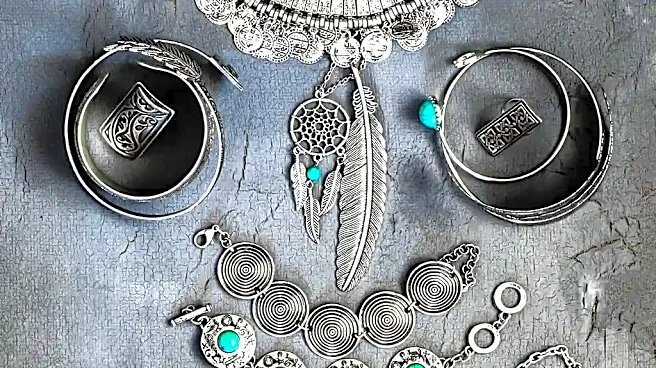
Perhaps the most visible influence on 70s bohemian accessories was a deep fascination with other cultures, particularly Native American and North African traditions. Sterling silver and turquoise jewelry, crafted by artisans in the American Southwest, became a defining element of the look. For many in the counterculture, wearing these pieces was seen as a way to honor indigenous cultures and their connection to the earth. The stone itself was believed to hold properties of protection and healing, aligning perfectly with hippie ideals. Similarly, fringe on suede vests and bags, along with beading and feathers, drew heavily from Native American designs. While these acts were often born from a place of appreciation, the era's widespread adoption of these sacred and traditional designs is now viewed through a more complex lens of cultural appropriation. It reflects a time of earnest, if sometimes naive, global curiosity and a desire to connect with aesthetics perceived as more authentic and grounded than their own.