

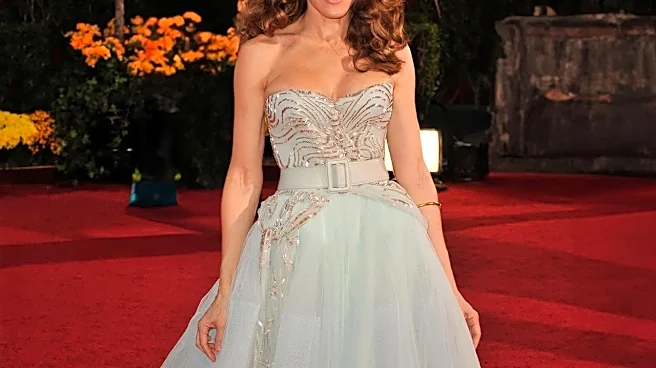
The Blueprint Starts with Fashion
Long before a single makeup brush is lifted, the process begins with the clothing. For red carpet events, fashion is almost always the anchor. A stylist curates the primary look—be it a gown, a suit, or a custom ensemble—and that decision sets the entire
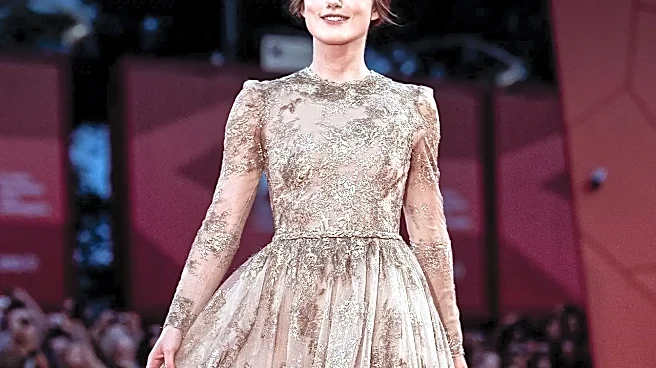
creative direction in motion. This initial choice is shared with the rest of the "glam team," typically including the makeup artist, hairstylist, and sometimes a nail artist. The team receives photos of the outfit, fabric swatches, and details on the overall vibe the stylist is aiming for. This ensures that every subsequent decision is made to elevate the clothing, not compete with it. The garment's color, texture, silhouette, and mood dictate the story that the hair and makeup will eventually tell.
Creating the Beauty Story
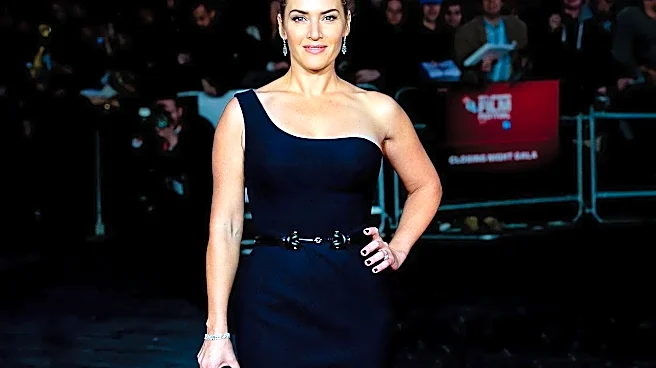
With the outfit as a guide, the makeup artist begins to build a complementary vision. This often involves creating a mood board with inspirational images to establish a clear direction. The key is communication and collaboration. The artist must decide whether the look will focus on a bold lip, a dramatic eye, or flawless skin, as trying to do everything at once can overwhelm the look, especially under high-definition cameras. A sleek, architectural dress might call for a sharp, graphic eyeliner and a pulled-back hairstyle, while a soft, romantic gown could inspire a more ethereal look with diffused eyeshadow and glowing skin. The makeup artist and hairstylist must work in synergy, deciding who takes the lead and ensuring their individual contributions form a cohesive whole rather than clashing for attention.
The Devil in the Details
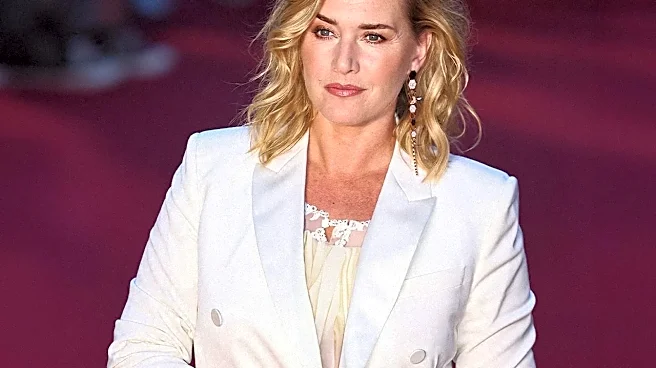
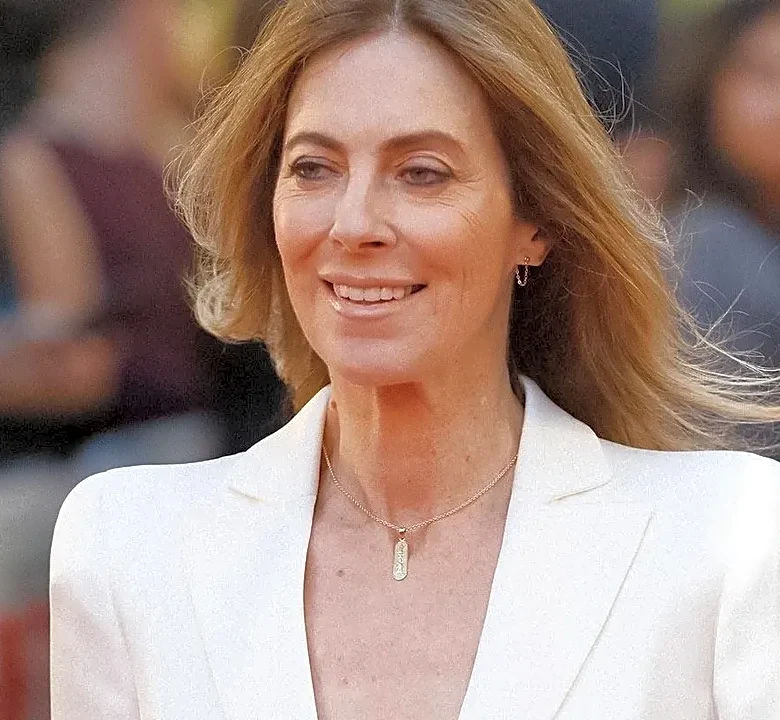
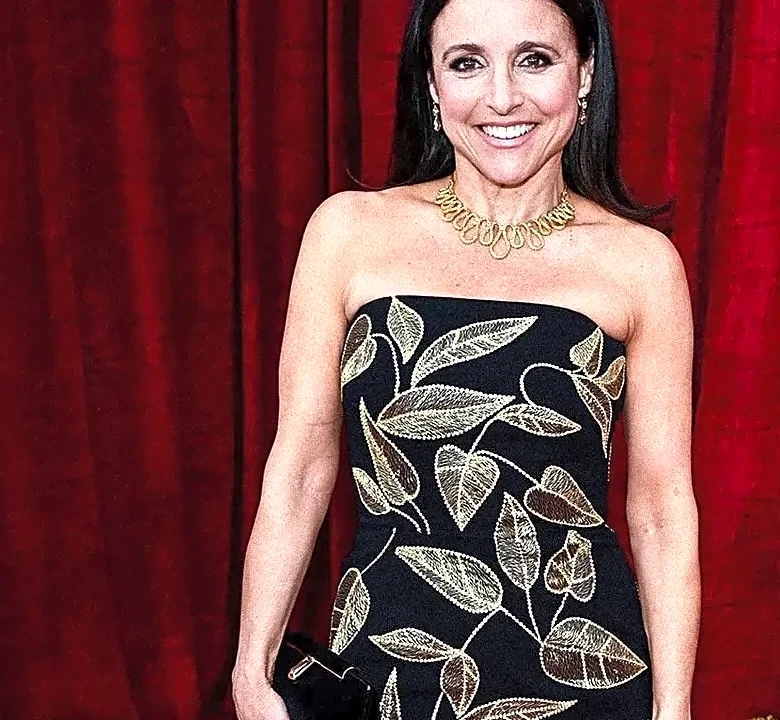
Once the general direction is set, the team fine-tunes the look based on accessories and hair. The choice of jewelry is a major factor. Statement earrings might mean the hair is best styled in an updo, which in turn affects how much emphasis is placed on the eyes or cheeks. A dramatic necklace changes the focus to the décolletage, requiring careful blending of body makeup. Stylists, hair professionals, and makeup artists constantly communicate to ensure balance. Sometimes, a simple hairstyle is needed to let a complex dress or bold makeup shine, while other times the hair becomes the central feature of the look. It's a delicate dance of knowing when to push forward with a creative idea and when to pull back for the good of the overall aesthetic.
Battling Lights and Lenses
A look that is perfect in person can fall apart under the harsh, unpredictable conditions of a red carpet. This is where technical expertise becomes paramount. Event lighting and the constant barrage of flash photography can wash out features, create unwanted shine, or alter the appearance of colors. Makeup artists who specialize in red carpet looks use specific products and techniques to counteract these effects. This includes using full-coverage foundations to create an even canvas, layering powders to control shine without looking cakey, and choosing products that won't cause "flashback"—a white cast that appears in photos. Primers are essential for longevity, and setting sprays are used to lock everything in place for hours. Every product is chosen not just for how it looks in the mirror, but for how it will perform under intense scrutiny.
Preparing for the Unexpected
Despite weeks of planning, last-minute changes are an inevitable part of the red carpet world. A dress might not fit perfectly, the weather could turn, or a celebrity might simply change their mind. An experienced glam team is always prepared for anything. Makeup artists arrive with kits stocked for every contingency, from handling sweat on a humid day to completely altering a look if the planned outfit is suddenly swapped. This adaptability is what separates good artists from great ones. The process, which can take up to three hours, includes buffer time for final touch-ups and photos before the client even leaves for the event, ensuring everything is perfect and resilient enough to last the entire night.