


The Art of Exclusivity
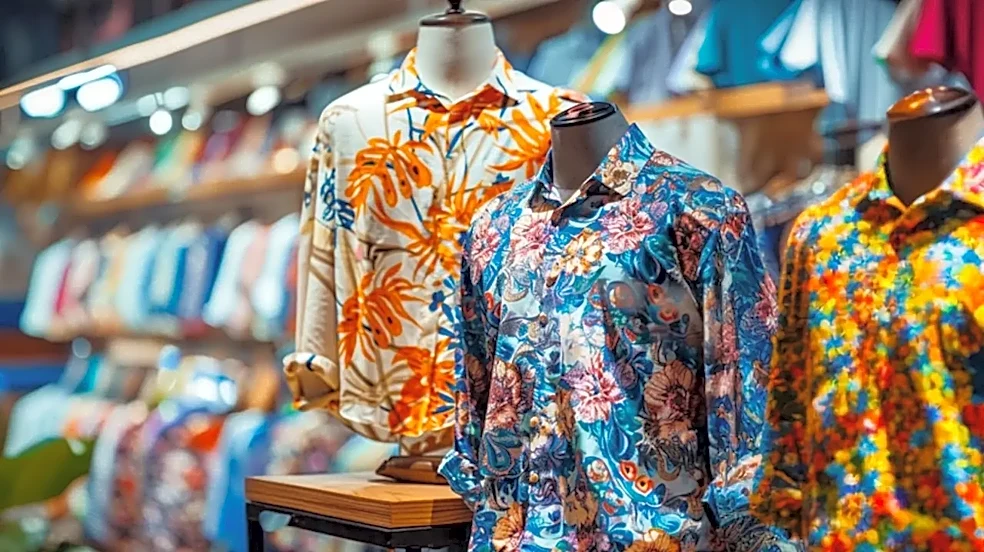
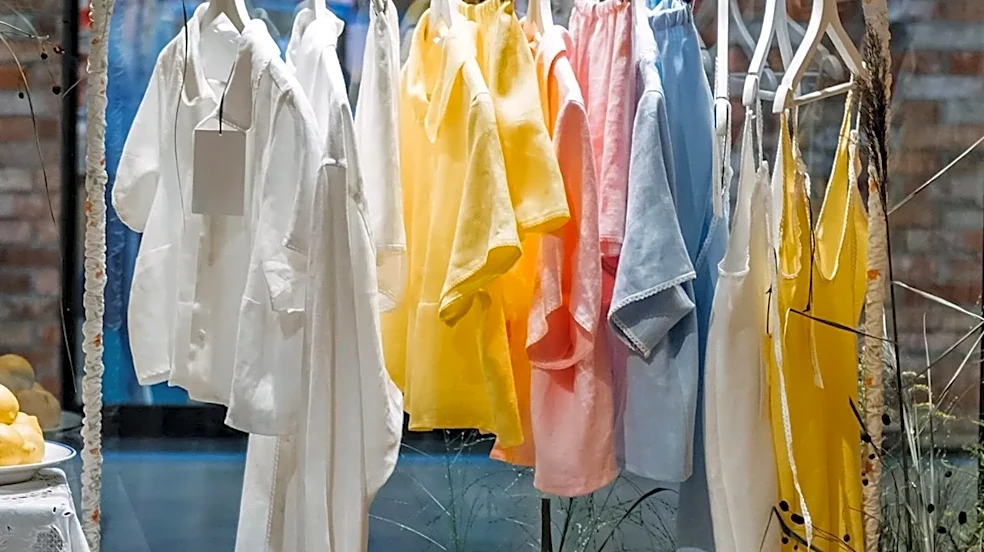
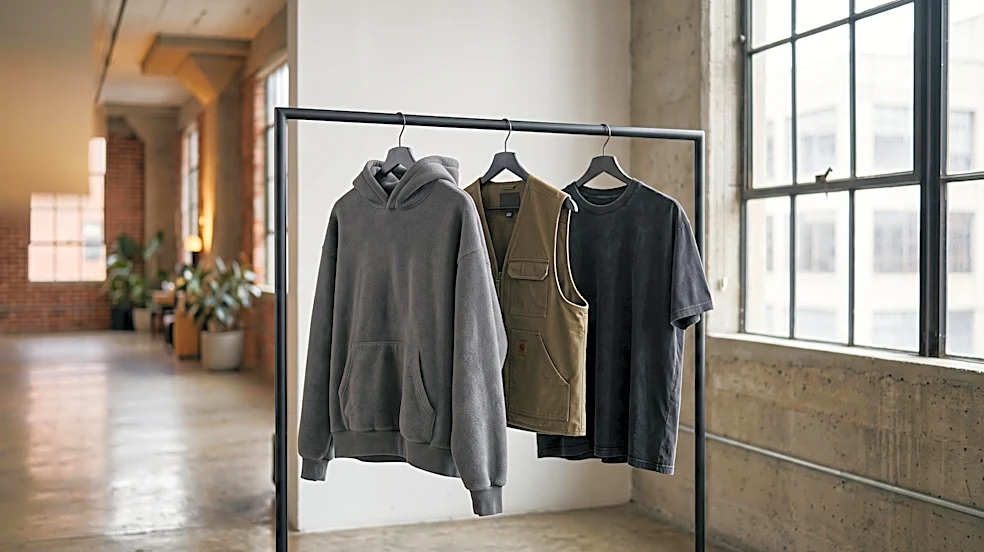
First and foremost, the merchandise at Camp Flog Gnaw, curated by founder Tyler, the Creator, isn't just a souvenir—it's a status symbol. Much of the apparel and accessories from brands like Golf Wang and Golf le Fleur are exclusive to the festival. This
scarcity is intentional. Limited drops of unique items, like special collaborations or designs you can't buy online, transform a t-shirt or jacket into a collectible. Fans know that owning a piece of festival-exclusive gear is a tangible way to prove they were there, making the hours spent in line a worthwhile investment. This strategy taps into a powerful consumer desire for rarity and belonging, turning attendees into walking billboards for a brand that feels more like a private club.
A Crucial Revenue Engine
While ticket sales are the primary source of income for any festival, they come with thin profit margins after accounting for artist fees, production costs, venue fees, and security. Merchandise, on the other hand, is a high-margin powerhouse. A hoodie that sells for $125 might cost a fraction of that to produce, meaning the majority of the sale price flows back to the organizers. This revenue is not just extra cash; it's essential for offsetting the enormous operational costs of a multi-day event and ensuring financial viability. For many artists and festivals, the profit from a single t-shirt can be equivalent to thousands of digital song streams, making the merch tent one of the most profitable spots on the entire festival grounds.
Building a Year-Round Brand
Camp Flog Gnaw is more than a weekend of music; it's the physical manifestation of Tyler, the Creator's entire creative universe. The merchandise serves as a bridge between the annual event and the year-round culture of his brands. When fans wear a CFG hat or a Golf Wang hoodie, they aren't just remembering a concert. They are identifying with a specific aesthetic, a creative ethos, and a community of like-minded individuals. The iconic yellow 'Golf' bags seen across the festival grounds are a testament to this, creating a sense of a unified movement. This turns the festival from a simple event into a durable lifestyle brand that maintains its relevance long after the final act has left the stage.
The Line Itself Is Part of the Experience
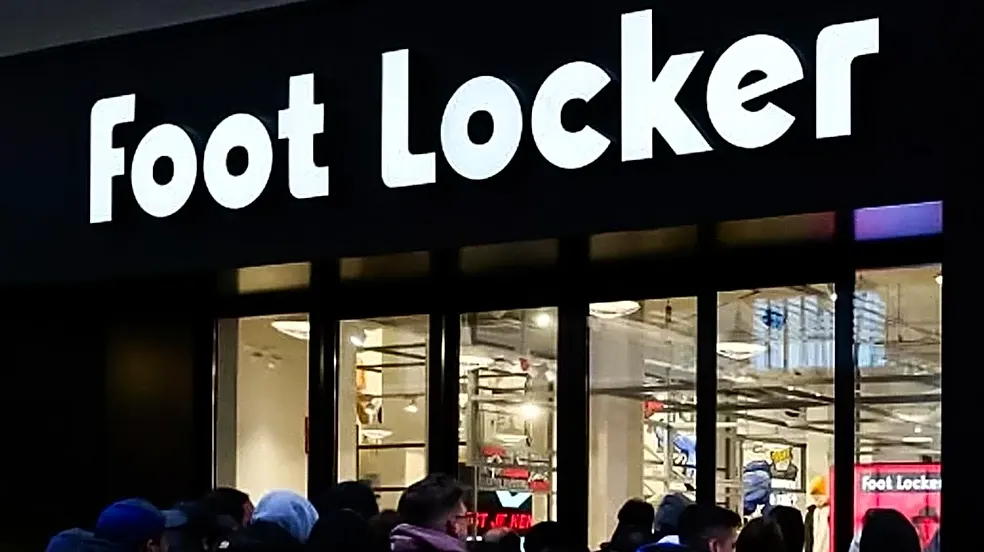
It might sound counterintuitive, but the long, communal wait for merchandise actually reinforces its value. The shared experience of queuing for hours—sometimes even before the first musical act starts—generates its own buzz and becomes a story that attendees share. It's a testament to the desirability of the products. Seeing hundreds of people willing to wait validates an individual's decision to do the same, creating a powerful social proof loop. The spectacle of the line becomes a form of marketing in itself, signaling to everyone at the festival that whatever is at the end of that queue is worth having. For many, the first stop upon entering isn't a stage, but the merch tent, demonstrating just how central it is to the Camp Flog Gnaw pilgrimage.