





The Theatrical Math: Time Is Money
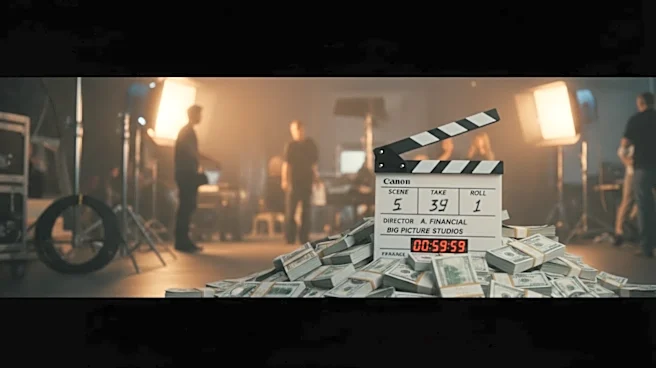
For decades, the math for movie theaters was simple and brutal: a longer movie means fewer screenings per day. A 90-minute film could run five or six times on a single screen, while a three-hour epic might only manage three shows. That's a significant
cut in potential ticket and concession sales, not just for the theater owner but for the studio, which typically takes a larger percentage of the box office during a film's opening weeks. This economic reality created a powerful incentive for filmmakers to keep things tight, ideally between 90 and 120 minutes. It wasn't an artistic rule so much as a commercial necessity. Independent cinemas, which have even tighter margins, feel this pressure most acutely; for them, programming a three-hour film can be a risky bet. This model rewarded brevity and efficiency, shaping generations of films to fit a commercially viable slot.
The Streaming Disruption: More Is More
Then came streaming, and the entire economic model was turned on its head. For services like Netflix, there are no showtimes and no physical screens. The new currency isn't the number of tickets sold, but the total time a subscriber spends watching. In the streaming world, a three-hour movie isn't a liability; it's a valuable asset. If a single film can keep a user engaged for an entire evening, it helps justify their monthly subscription fee and reduces the likelihood they'll cancel—a key metric known as "churn." Streamers analyze data on everything from what shows you binge to where you pause, all in an effort to maximize engagement. This model rewards longer content because more watch time equals more value extracted from a subscriber. It’s why Netflix even has a category for "90-Minute Movies"—it’s an acknowledgment that bloated runtimes have become the default.
The Prestige and Event-ization Factor
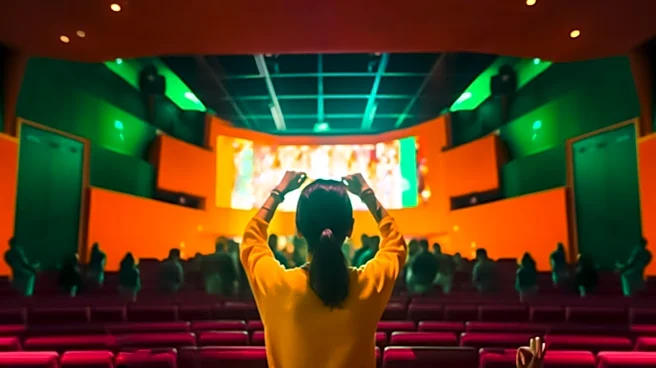
While streaming changed the rules, another trend has pushed runtimes longer: the "event" film. To convince audiences to leave their couches and pay premium ticket prices, studios need to offer an experience they can't get at home. A three-hour epic, often presented in a premium format like IMAX, signals importance and justifies the expense. Films like "Avengers: Endgame" (181 minutes) and "Oppenheimer" (180 minutes) weren't just movies; they were cultural events that dominated the conversation. Their long runtimes were part of the marketing, implying a grand, unmissable story. A lengthy runtime has become a hallmark of prestige, especially for auteur directors who have the leverage to demand final cut. Even if a long movie means fewer showtimes, a blockbuster hit can still be incredibly profitable for theaters.
An Audience Divided
While studios and acclaimed directors push for longer films, audiences seem to be moving in the opposite direction. A recent survey from July 2026 found that the ideal movie length for Americans is a brisk 88 minutes, down from 92 minutes just two years prior. This preference varies by generation, with Gen Z preferring the shortest films. This reflects a broader trend of shrinking attention spans, partly fueled by short-form video on platforms like TikTok. Yet, the box office tells a more complicated story. Many of the highest-grossing films of all time are well over two hours, and some top three hours. It suggests that while audiences may say they want shorter movies, they will still show up for a long one if it feels like a worthwhile event. The success of "Oppenheimer," a three-hour R-rated drama that grossed nearly a billion dollars, proves that if the story is compelling, the audience will endure.