

A Reflection of the Modern Playlist
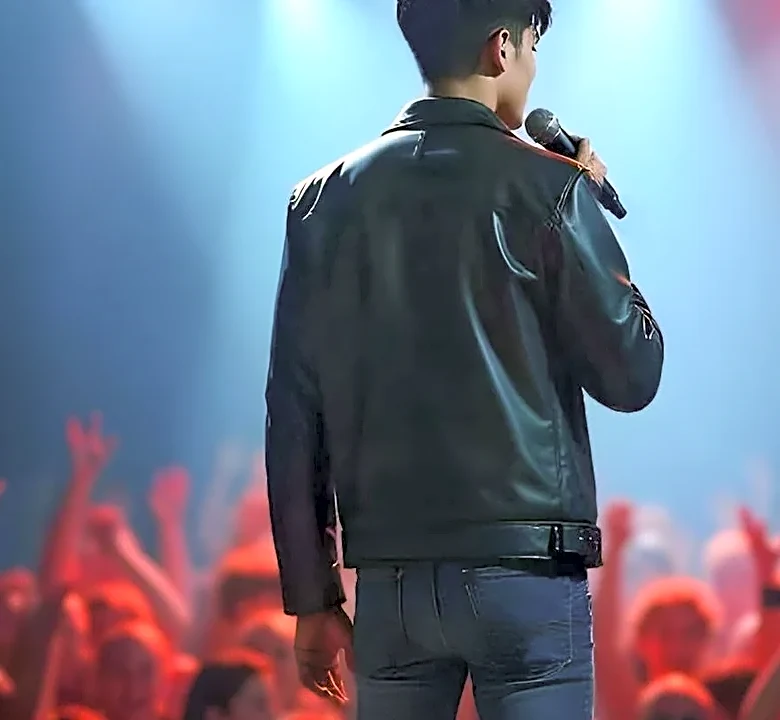
The core philosophy of the iHeartRadio Music Festival is to be a live-action representation of a listener's diverse playlist. Organizers aren't booking for a specific demographic; they're booking for the modern music fan who fluidly moves between genres.
In a joint statement about the 2026 festival, iHeartMedia executives Tom Poleman and John Sykes said the goal is "bringing together the biggest artists across every genre," calling the lineup a reflection of "the incredible diversity of music today." This approach rejects the traditional, genre-siloed festival model. Instead of catering to just rock fans or just pop fans, it creates an experience that feels like hitting shuffle on a massive, star-studded radio station. It's an acknowledgment that in the streaming era, genre loyalty has been replaced by a focus on individual hits and artist personalities.
The Cross-Genre Anchor Strategy
The secret to making a multi-genre bill work is anchoring it with artists whose appeal transcends any single category. The 2026 lineup, for instance, features global K-pop superstars BTS, hip-hop icon Cardi B, and legendary rapper Snoop Dogg alongside country titans Kenny Chesney and Lainey Wilson. These acts serve as the festival's pillars, drawing in a wide array of fans. This multi-headliner model ensures no single artist has to carry the event, creating a broader, more stable appeal. The rest of the lineup is filled with a mix of established fan favorites like Weezer, Muse, and Goo Goo Dolls, and rising pop stars such as Benson Boone and Zara Larsson. This creates a dynamic where attendees might come for a country headliner but stay for a rock set, or discover a new pop artist between hip-hop performances.
More Than a Concert, It's a Media Event
Unlike festivals that live and die by ticket sales alone, the iHeartRadio Music Festival is a massive media and broadcast event. Every performance is broadcast live across more than 150 iHeartMedia radio stations and streamed on major platforms like Disney+ and Hulu. This hybrid model fundamentally changes the booking calculus. The festival isn't just for the people in the T-Mobile Arena in Las Vegas; it's content for a national audience. This allows for a broader range of artists because the goal is to create compelling moments for radio and streaming, not just to please the live crowd. It also explains the rapid-fire, 25-minute sets that keep the energy high and the programming varied, mimicking the fast pace of channel surfing or scrolling through social media. This structure also encourages surprise collaborations, like when Prince joined Mary J. Blige or Sting performed with Lady Gaga in past years, creating moments designed for viral amplification.
Catering to the Entire Music Ecosystem
The festival's strategy extends beyond the main stage. The Daytime Stage has historically featured emerging artists who are poised to become the headliners of tomorrow, offering a glimpse into music's future across genres. Furthermore, immersive fan experiences, like the "House of Music," create interactive spaces themed around major artists on the bill. For the 2026 festival, this includes rooms dedicated to BTS and Cardi B, among others. This approach recognizes that modern fandom is about more than just listening; it's about engagement and culture. By blending A-list pop, rock royalty, dominant country stars, and hip-hop legends, iHeartRadio isn't just creating a concert. It's building a temporary universe that encapsulates the entirety of American popular music, proving that with the right mix of star power and strategic programming, you really can be everything to everyone.