





First Off, What Is Deadstock?
Think of deadstock as the fashion industry's hidden treasure. It's brand-new, virgin fabric that, for one reason or another, never got used. Maybe a high-end designer overestimated their needs for a collection, a mill produced a roll of silk in a slightly
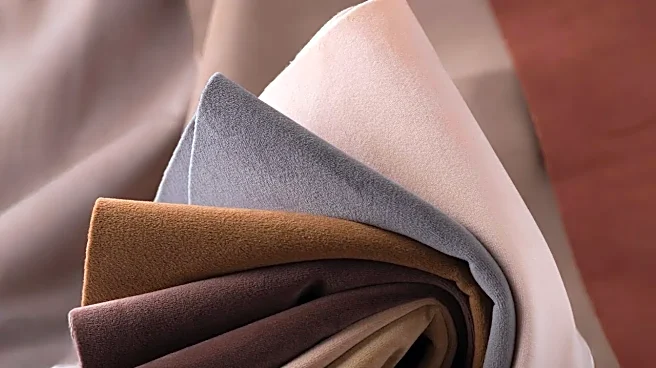
off-spec color, or a brand simply changed its mind. Traditionally, these perfectly good textiles would be destined for a landfill or incinerator. Instead of letting them go to waste, a growing number of designers now acquire this surplus fabric. It's not second-hand or recycled material from old clothes; it's pristine, high-quality fabric that just needs a creative vision to give it a first life.
The Mindset: Scarcity as Exclusivity
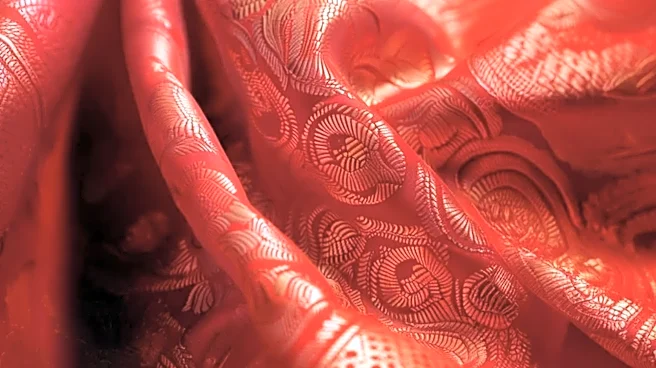
Working with deadstock fundamentally changes the design process. Unlike brands that can order endless yards of any fabric, designers using deadstock have a finite supply. This constraint breeds creativity and, more importantly, creates automatic exclusivity—a cornerstone of luxury. A brand might only have enough of a particular deadstock jacquard to make ten dresses. Once it's gone, it's gone forever. This turns a garment into a limited-edition piece with a unique backstory. Consumers are increasingly drawn to this rarity, valuing an item that feels personal and unique over something mass-produced.
The Power of a Masterful Cut
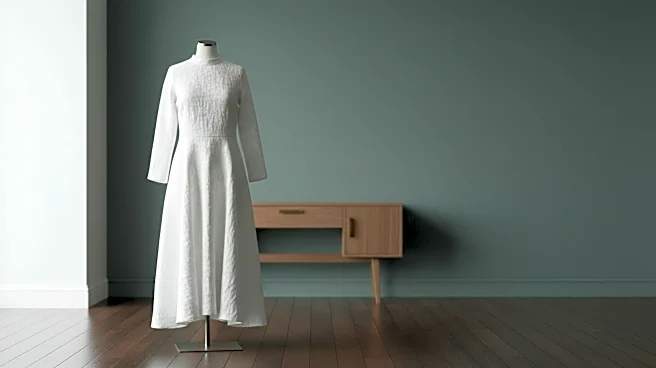
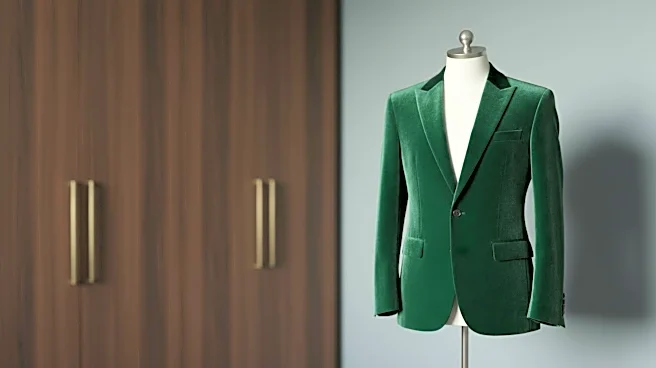
With a limited amount of precious fabric, there is zero room for error. This is where the artistry of the cut comes in. The cut is the architecture of a garment; it dictates the silhouette, how the fabric drapes, and how it feels on the body. A master cutter can look at an unusual deadstock textile and know exactly how to orient the pattern to maximize its beauty and minimize waste. This is a high-skill process far removed from automated, mass-market cutting. It's about precision, foresight, and a deep understanding of how different materials behave. The cut alone can elevate a simple piece of cloth into a structured, flattering, and undeniably luxurious form.
It's All in the Finishing Details
If the cut provides the structure, the finish provides the soul. Finishing is where luxury truly whispers its quality. These are the details you might not see from across the room, but you can feel them the moment you touch the garment. Instead of a basic serged seam, a deadstock luxury piece might feature French seams, where the raw edge is neatly encased within the seam itself, creating a beautiful interior. Or it might have a Hong Kong finish, where each seam allowance is bound with bias tape. Other techniques include hand-sewn details, mitred corners for sharp edges, and the use of high-quality linings. These methods are time-consuming and require immense skill, signaling a level of craftsmanship that justifies a luxury price point, regardless of the fabric's origin.
From Leftover to Limelight
This movement from waste to want is being championed by a diverse range of brands. Labels like Reformation have built their identity on using deadstock and sustainable materials. Meanwhile, high-fashion designers are also embracing the ethos. Both established houses and independent creators are realizing that the story behind the material—its journey from being overlooked to being celebrated—adds a new layer of value and authenticity. They prove that true luxury isn't just about the cost of the raw materials, but about the vision, skill, and narrative woven into the final product.