



Every November, the Latin Grammy Awards give us a snapshot of a year in music. But the breathless focus on 'who will win' and the inevitable 'snubs' often buries the better question: what sonic stories are these nominations telling us, together?
Rankings Create Contests, Not Context
Award
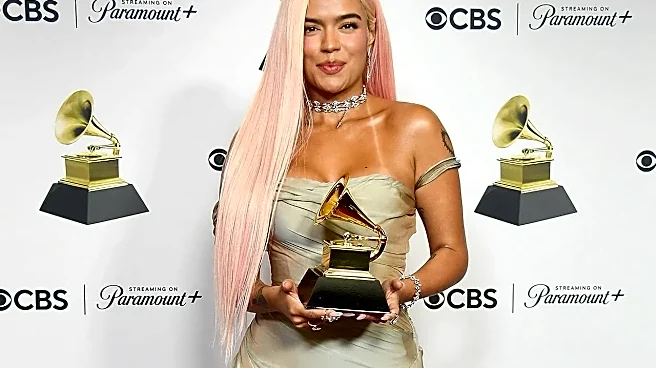
shows, by their nature, are about creating hierarchies. We pit incredible artists against each other for a single trophy in categories like Record of the Year or Album of the Year. The result isn't a deeper appreciation of music, but a sport-like obsession with winners and losers. The conversation becomes about who was robbed or which artist is now the 'reigning' champ. When Karol G, Rosalía, and Jorge Drexler all have seven nominations apiece for the 2026 awards, a rankings-obsessed mindset immediately tries to predict a single frontrunner. This zero-sum game flattens the rich diversity on display. Instead of exploring the creative threads connecting these artists, we just argue about who deserves to be on top of a pyramid.
Playlists Build Sonic Worlds
Now, imagine a different approach. Instead of a list of nominees, what if we thought of the year's best music as a giant, curated playlist? A playlist doesn't declare a winner; it creates a mood, tells a story, and draws connections. This year’s nominations show a powerful trend of folkloric music blending with modern sounds. A playlist could place Silvana Estrada's contemplative, cuatro-backed 'Vendrán Suaves Lluvias' next to the Afro-Uruguayan candombe rhythms in Jorge Drexler's 'Taracá'. Then, you could mix in a track from Rosalía's 'Lux (Complete Works)' to show how a global pop superstar incorporates traditional elements. This creates a listening experience that reveals a conversation happening across genres and borders—from Mexico to Spain to Argentina, where 19-year-old Milo J is weaving roots music into contemporary rap. A trophy can't do that; a playlist can.
From Proclamation to Discovery
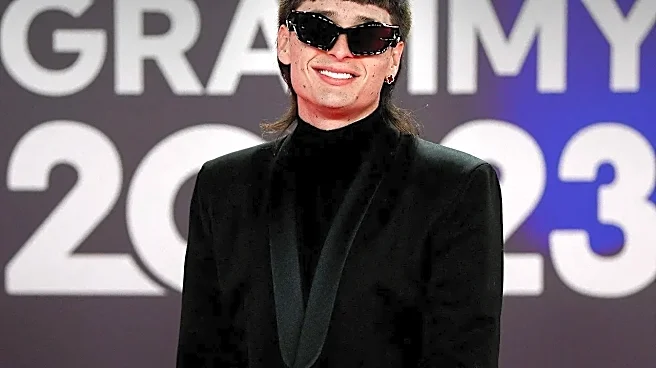
The single best argument for a playlist mentality is the Best New Artist category. This year features eleven unique artists, including Loulu Gilberto, Arath Herce, and ARIA VEGA. A ranking system means one of them wins, and the other ten risk fading into the background of post-show commentary. But a 'Best New Artists of 2026' playlist would be an incredible engine for discovery. It invites listeners to spend time with each artist, find their personal favorites, and become genuine fans. Playlists have become the primary way modern listeners find new music, turning passive listening into active exploration. The goal of the awards should be to expand the musical world of the audience, and a playlist is a welcoming invitation, while a single declared 'winner' can feel like a closed door.
Reflecting How We Really Listen
Let’s be honest: most of us live in a playlist world. Whether it’s a workout mix, a mood-based collection, or an algorithmically generated discovery tool, we consume music in collections that are more about flow and feeling than a static, fronttoback album. While albums remain vital artistic statements, listener behavior has shifted. By clinging to a horserace narrative of winners and losers, awards shows feel increasingly out of sync with this reality. Celebrating the Latin Grammys through playlists aligns the institution with the very culture of music consumption it seeks to honor. It encourages a more fluid, personal, and ultimately more rewarding engagement with the art itself.