





The Fragile Nature of Liquid Gold
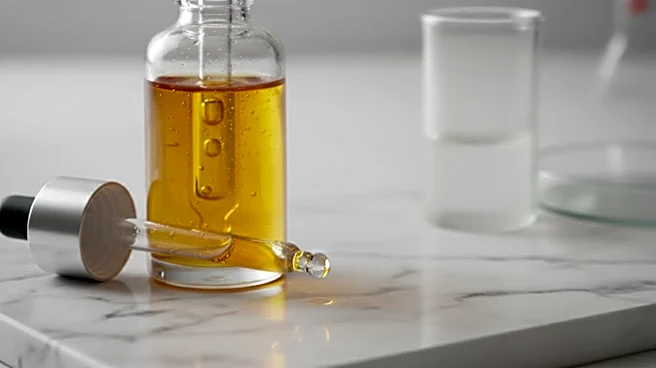
First, let's get one thing straight: Vitamin C is a skincare powerhouse, but it's also famously temperamental. The most potent and well-researched form, L-ascorbic acid, is incredibly unstable. Think of it like a brilliant but sensitive artist. It’s powerful,
but its effectiveness is easily compromised by exposure to air, light, and even the environment on your skin's surface. This instability is why your serum comes in a dark, airtight bottle and a key reason it might not be working for you. When the formula is exposed to the wrong conditions, it can oxidize, turning brown and becoming less effective, or even completely useless. You aren't just applying a product; you're managing a delicate, high-performance ingredient.
The Great Debate: Damp or Dry?
Here's where the 'hidden' part comes in, sparking a quiet debate among skincare experts. Should you apply your serum to damp or dry skin? Many skincare products, especially hydrating ones, are best applied to damp skin to lock in moisture. Some experts argue the same for vitamin C, suggesting damp skin is more permeable and can enhance absorption. However, a larger camp of dermatologists advises applying vitamin C to completely dry skin. Their reasoning goes back to that finicky instability. Adding water by applying it to a damp face can potentially dilute the concentration and, more critically, alter the serum's carefully formulated low pH. This change can destabilize the L-ascorbic acid, preventing it from penetrating the skin effectively.
The Real Secret: Preparing Your Skin's pH
The damp-versus-dry argument is actually a proxy for a much more important factor: pH. For L-ascorbic acid to effectively penetrate your skin, it needs to be in a low-pH environment (typically below 3.5). Your skin's natural pH is slightly acidic, but cleansers can temporarily raise it. This is where the true hidden step lies: ensuring your skin's surface is properly acidic before the vitamin C goes on. Some dermatologists quietly advise using a pH-prepping, acid-based toner (with ingredients like glycolic or lactic acid) after cleansing and before your vitamin C. This advanced trick essentially re-acidifies the skin's surface, creating the perfect low-pH runway for your vitamin C serum to absorb and perform at its peak. After toning, wait a minute for your skin to dry, then apply the serum.
Your New Vitamin C Action Plan
So, how do you put this all together? The key is to apply your vitamin C in the morning to protect against daily environmental damage. After that, you have a few options based on your routine's complexity. Beginner: Cleanse, pat your face completely dry, and wait about 60-90 seconds. This allows your skin’s pH to normalize a bit after washing. Then, apply your vitamin C serum. This is the safest, most straightforward method to ensure stability. Intermediate: After cleansing and patting your skin dry, apply a pH-balancing or hydrating toner (that isn't alkaline). Let it absorb, then apply your vitamin C serum. Advanced: For maximum impact, cleanse, pat dry, and apply a low-pH, exfoliating toner. Wait for it to absorb, then apply your vitamin C serum. This creates the ideal acidic environment for absorption. No matter which method you choose, always allow the serum to absorb for at least a minute before applying your moisturizer and, the most critical final step, a broad-spectrum sunscreen.