

The Paradox of Infinite Choice
First, let's get one thing straight: it is physically impossible to see and do everything at Burning Man. The event is not a festival with a main stage and a schedule; it's a temporary city, Black Rock City, that spans miles and is home to tens of thousands
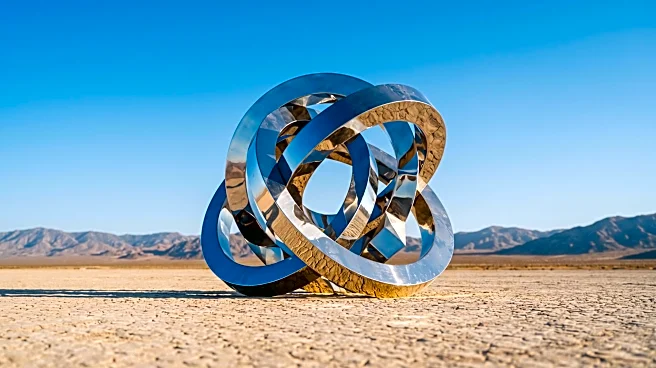
of people. Each of them is a participant, creating their own art, hosting their own events, and offering their own experiences. The official guide is thick with possibilities, from deep playa art installations that appear like mirages to hundreds of themed camps offering everything from lectures on astrophysics to pancake breakfasts. This sheer scale should, in theory, be freeing. Knowing you can't see it all could be an invitation to simply enjoy what's in front of you. Instead, it creates a unique paralysis. The awareness that at any given moment, a thousand other magical, unscripted things are happening simultaneously is a recipe for intense FOMO, even for attendees who are physically there.
Curated Desert Dreams vs. Dusty Reality
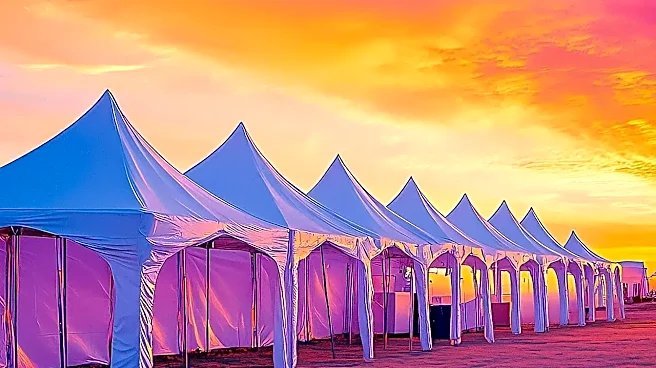
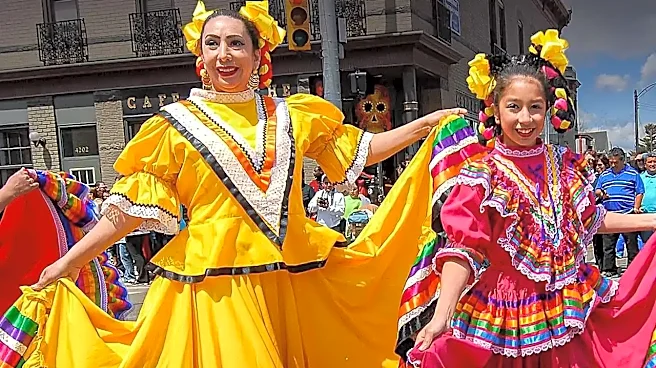
For those watching from the outside, the FOMO is amplified by the great filter of social media. The photos you see are not of the eight-hour traffic jams to get in, the disorienting dust storms, or the logistical nightmare of surviving in a harsh desert environment. Instead, your feed shows a highlight reel of magnificent sunsets, impossibly creative outfits, and monumental art pieces glowing against the night sky. This curated reality conveniently omits the grit, the exhaustion, and the occasional misery. This disconnect has become a source of tension within the community, with organizers and longtime attendees decrying the rise of influencer culture that prizes the photo-op over genuine participation. This curated perfection makes the event seem like an effortless utopia, intensifying the feeling that you’re missing out on a flawless, transformative experience rather than a challenging adventure.
It's Not a Party, It's an Identity
Unlike most large gatherings, Burning Man is built around a distinct cultural ethos, summarized by its 10 Principles. These include ideals like "Radical Inclusion," "Gifting" (a non-commercial economy), "Decommodification," and "Radical Self-expression." This framework elevates the event from a simple party to a social and artistic experiment. Consequently, the FOMO isn't just about missing out on fun; it's about missing out on the chance to inhabit a different version of society, and perhaps a different version of yourself. The narrative around Burning Man is one of personal transformation. People talk about their time on the playa as life-changing. This transforms the fear of missing out on an event into a fear of missing out on personal growth and belonging to a unique, values-driven community.
The Ache of Impermanence
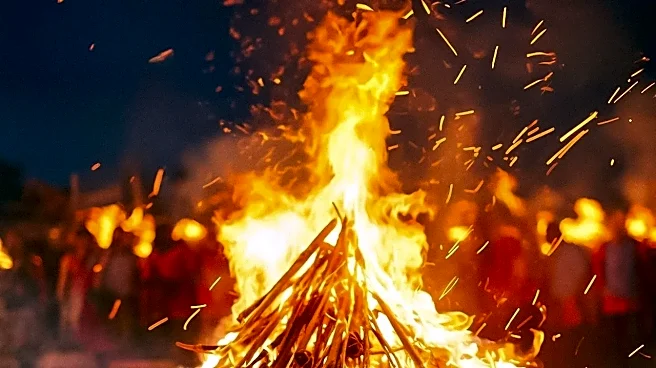
Perhaps the most powerful ingredient in the FOMO cocktail is the event’s ephemerality. Black Rock City is built from scratch in a matter of weeks and, per the "Leaving No Trace" principle, it vanishes completely afterward. That specific configuration of art, people, and experiences will never exist again. This fleeting nature creates a profound sense of urgency and loss. You can't just go next year and see the same things. The art installations are often burned at the end of the week in massive, cathartic spectacles. The spontaneous encounters and connections are unique to that moment in time. This impermanence means that what is missed is missed forever, making the fear of that loss exceptionally sharp for both those who couldn't get a ticket and those on-site who know they're only experiencing a fraction of the whole.