




A Tournament on an Unprecedented Scale
Forget everything you know about previous World Cups. The 2026 tournament is the largest and most complex in history, with 48 teams playing 104 matches across 16 cities in the U.S., Mexico, and Canada. This sprawling, continent-wide footprint creates
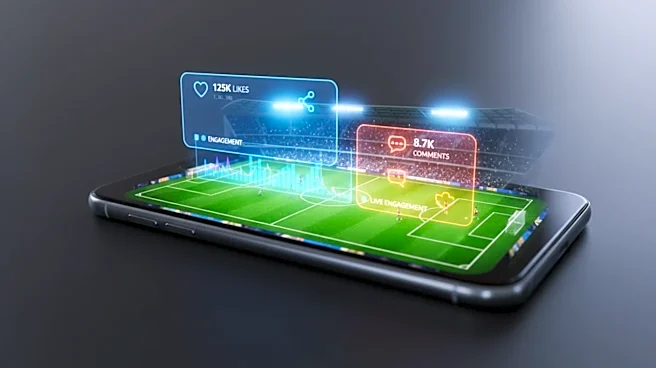
a logistical and marketing challenge that traditional advertising—like stadium banners and 30-second TV spots—can't solve alone. Research shows that the modern fan experience is a two-screen event; 93% of fans planned to use a second device to scroll social media while watching matches. For many younger fans, platforms like TikTok and Instagram aren't just a supplement; they are the primary source for tournament content. This shift in attention from the television to the smartphone is where the gold rush truly begins, creating a massive opening for brands and creators to connect with billions of fans in a way that feels more personal and immediate than ever before.
The New Roster of Digital MVPs
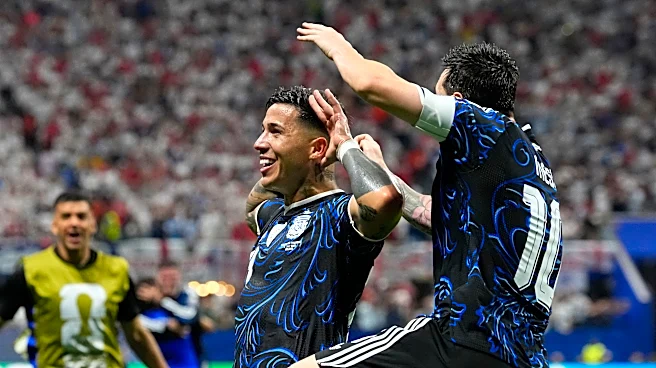
When you think of World Cup stars, names like Erling Haaland or Jude Bellingham come to mind. While these players are attracting tens of millions of new followers, the 2026 influencer boom extends far beyond the pitch. Brands are now partnering with a diverse spectrum of creators, from food bloggers and fashion influencers to local travel guides and community organizers. Tourism boards for host cities like Los Angeles and Kansas City have tapped local micro-influencers to showcase what makes their cities unique, knowing that their genuine perspective feels more authentic to potential visitors. Meanwhile, major corporations are activating thousands of creators to cover every angle. Unilever, for example, launched a campaign with 50,000 influencers from 120 markets, covering its personal care brands like Dove and Degree. They've even established physical 'House of Fresh' hubs in cities like Miami and New York to serve as content creation studios for their influencer partners. This strategy acknowledges that the modern fan is interested in more than just the 90 minutes of play; they care about the culture, the fashion, the food, and the travel surrounding the event.
The Billion-Dollar Playbook
So what does this influencer gold rush actually look like? It's a multi-pronged strategy that prioritizes cultural relevance over official sponsorship. While companies like Adidas and Coca-Cola pay hundreds of millions for official FIFA partnerships, other brands are winning the online conversation without a single logo inside a stadium. Luxury brands like Dior and Burberry have found success by aligning with players' personal style, turning their arrivals at airports into fashion moments. Nike, a long-time non-sponsor, has built entire content universes around its ads, designed for social sharing. The playbook is about becoming part of the fan experience. This can be as simple as a creator showcasing their game-day makeup routine, or as elaborate as Fox's “Chief World Cup Watcher” campaign, which paid two influencers $50,000 to watch every game from a glass cube in Times Square, generating millions of organic views. Brands are realizing it's more effective to be part of the conversation fans are already having than to try and start a new one.
Navigating the Gold Rush Minefield
This rush for digital attention isn't without its risks. FIFA aggressively polices its trademarks, meaning non-sponsoring brands can't use terms like “World Cup” or official logos without permission. This has pushed companies to get creative, focusing on the broader culture of soccer rather than the specific tournament. Furthermore, the sheer scale of the event across three countries creates immense logistical hurdles. A strategy that works in Mexico City might not resonate in Vancouver. The most successful brands are those that embrace this complexity, using local creators to tap into regional nuances and build trust from the ground up. They understand that a single, one-size-fits-all global message is ineffective. Instead, they are empowering a diverse army of creators to speak authentically to their own communities, recognizing that the World Cup is not one single event, but millions of individual experiences happening all at once.