






Start with the Fabric
The original and best material for a trench coat is cotton gabardine, a tightly woven twill invented by Thomas Burberry in the 1870s. Its dense weave makes it naturally water-resistant and windproof without sacrificing breathability. When you're inspecting
a coat, the fabric should have a substantial feel without being overly stiff. A quality gabardine has a satisfying drape and structure, holding its shape without feeling like cardboard. Cheaper versions often use polyester blends that don't breathe well, trapping heat and moisture. You can often identify a good twill by the fine, diagonal lines visible in the weave.
The Purpose of the Storm Flap
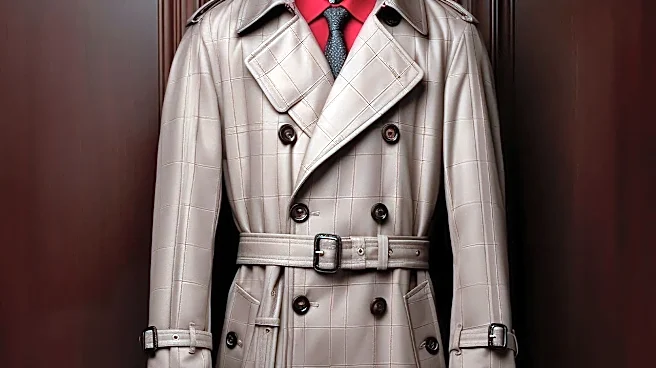
That extra flap of fabric on the upper back and sometimes on one side of the chest isn't just for show. The back piece, called a storm flap or rain shield, is a small cape that allows rainwater to run off the coat without soaking through the seams. The flap on the chest, often called a gun flap, is a holdover from the coat's military origins. It was designed to provide an extra layer of protection, preventing water from seeping in through the front opening and sometimes cushioning the shoulder from rifle recoil. A properly made coat will have these flaps, as they are essential to its weather-fighting heritage.
Examine the Collar and Throat Latch
Flip up the collar on a well-made trench. You should find a complex construction designed to protect you from the elements. A quality collar will have precise stitching, often in a zigzag pattern underneath, which helps it stand up stiffly against the wind. Many also feature a 'throat latch'—a detachable strap of fabric hidden under the collar. This piece can be buttoned across your neck, allowing you to close the coat all the way to the chin for maximum protection from wind and rain. It's a functional detail often omitted in less authentic versions.
Don't Forget the Epaulettes and Cuffs
Those straps on the shoulders are called epaulettes. In their original military context, they were used to display an officer's rank, secure a gas mask, or keep gloves from getting lost. While largely decorative today, their presence is a nod to the coat's heritage. Similarly, the adjustable straps at the cuffs serve a real purpose: to tighten the sleeves and prevent cold wind or rain from running down your forearms. On a quality coat, these straps will be made from the same fabric as the body and feature sturdy, functional buckles.
Look for a Deep Back Vent
A trench coat is a long coat, and without proper design, it could restrict movement. That's why a true trench has a long vent in the back. This split, which often can be buttoned closed, was originally designed to give soldiers the freedom of movement needed for marching or riding a horse. For the modern wearer, it means you can stride comfortably, climb stairs, or get in and out of a car without the coat bunching up or feeling restrictive. It’s a crucial detail for both comfort and a clean silhouette.
Check the Interior and Stitching
What's on the inside is just as important as the outside. A quality trench coat should be fully lined, which not only makes it easier to slide on and off over other clothing but also adds durability and hides the inner seams. Some of the best coats even have removable linings for multi-season wear. Pay attention to the stitching throughout the garment. Seams should be clean and precise, with a high number of stitches per inch, indicating a durable construction built to last.