





1. The Olive Branch
Often, a Thanksgiving meal is an attempt at reconciliation, and the food itself becomes a tangible peace offering. In 'Pieces of April,' April's entire effort to cook a Thanksgiving dinner for her estranged and dying mother is one giant, desperate olive
branch. The success or failure of the meal is directly tied to her hope for a final moment of connection. When her oven breaks, she must rely on the kindness of neighbors, turning her quest for a single family meal into a communal act of grace, proving that sometimes the effort is more important than the outcome.
2. The Symbol of Chaos
Nothing says 'this family is a mess' like a ruined dish. The most iconic example comes from Jodie Foster’s 'Home for the Holidays.' When a perfectly roasted turkey is accidentally launched into the lap of the uptight sister, Joanne, the dinner officially descends into chaos. The greasy, disastrous bird isn't just a sight gag; it's the physical manifestation of the family's simmering resentments and dysfunctions finally boiling over and making a mess of everything. The pristine holiday ideal is literally stained with the reality of their complicated relationships.
3. The Cultural Bridge
In a diverse country, Thanksgiving dinner is rarely uniform, a fact brilliantly illustrated in Gurinder Chadha's 'What's Cooking?'. The film follows four families—Vietnamese, Latino, Jewish, and African American—each preparing their own version of the holiday feast. The side dishes, from tamales and spring rolls to mac and cheese, serve as a delicious map of their cultural identities. Food becomes the language through which tradition is both honored and adapted, showcasing how the classic American holiday is constantly being redefined at every table.
4. The Weapon of Choice
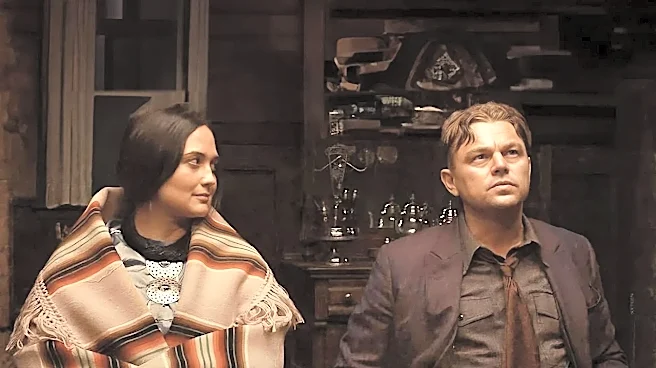
Sometimes food isn't for nourishment; it's for battle. In the tense thriller 'Let Him Go,' a dinner of pork chops becomes a chilling power play. When a couple visits a dangerous clan to retrieve their grandson, the matriarch serves a meal that feels more like an interrogation. The aggressive way the pork chops are served and consumed establishes dominance and menace without a single overt threat. The meal becomes a weapon, transforming a gesture of hospitality into a simmering act of aggression that lets everyone know who is in charge.
5. The Marker of Class and Status
What's on the table—and what isn't—can say everything about a family's financial and emotional state. In 'The Humans,' a family gathers in a rundown, barely furnished New York apartment for Thanksgiving. The sparse meal and crumbling surroundings reflect the characters' anxieties about money, health, and the precariousness of their middle-class existence. The dinner isn't a feast of abundance but a symbol of their struggle to hold things together, making the humble dishes a poignant backdrop for their quiet desperation.
6. The Anchor of Tradition
In many families, one or two side dishes are non-negotiable—the sacred recipes that connect the present to the past. In 'The Blind Side,' the Tuohy family’s casual tradition of eating Thanksgiving dinner while watching football is upended by the arrival of Michael Oher. When Leigh Anne notices him eating alone at the formal dining table, she turns off the TV and insists the family join him. This simple act of changing how they eat their meal symbolizes Michael’s integration into the family and the creation of a new, more connected tradition.
7. The Unconventional Feast
Sometimes the most memorable Thanksgiving meals are the ones that defy tradition entirely. In 'A Charlie Brown Thanksgiving,' the hapless host serves up buttered toast, popcorn, pretzel sticks, and jelly beans. The meal is a hilarious failure by any conventional standard. But the funny little side dishes—or lack thereof—serve a greater narrative purpose. They underscore the idea that the holiday isn't about the perfect menu but about friendship and gathering, even if the main course is just a plate of toast shared with friends.