






The Unapologetic Clark Phenomenon
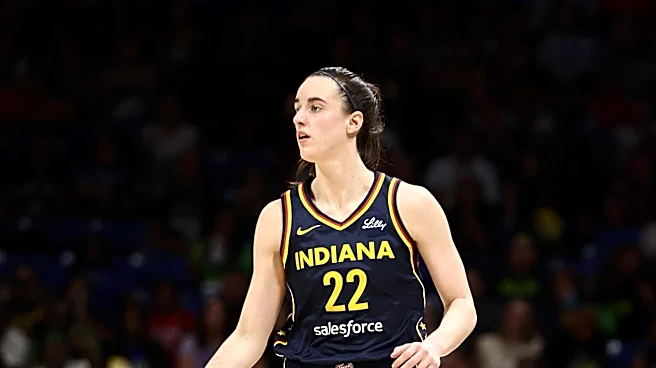
To watch Caitlin Clark is to witness a masterclass in audacity. It’s in the impossibly deep three-pointers she launches without hesitation and the no-look passes she threads through traffic. Well into her professional career, Clark continues to play with a fearless
mentality that defined her rise. She combines high-volume scoring and elite playmaking, consistently putting up impressive numbers in points and assists. But her impact isn’t confined to the box score. It’s measured in sold-out arenas, record-breaking television ratings, and a media frenzy that has made the Indiana Fever a household name. For the first time in WNBA history, every single one of a team's games is being broadcast nationally, a phenomenon dubbed the “Caitlin Clark Effect.” This relentless spotlight creates immense pressure, but Clark meets it with a distinctive swagger, reshaping offensive strategy and forcing opponents into constant adjustments.
A Flashback to the Summer of '99
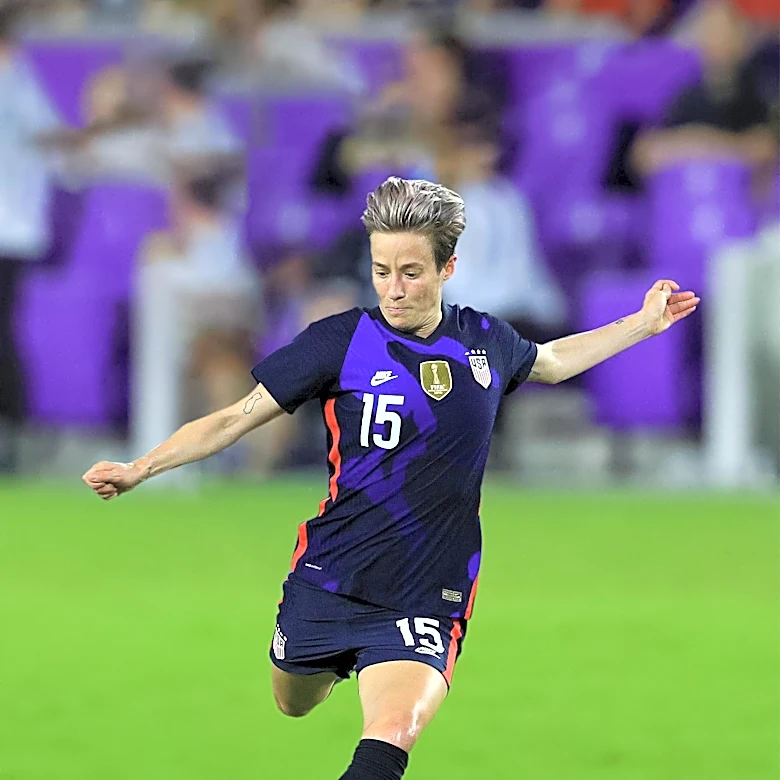
For those who remember the summer of 1999, this energy feels familiar. Before then, women’s team sports were on the periphery of the American consciousness. Then came the U.S. Women’s National Team and the FIFA Women's World Cup. Played on home soil, the tournament became a cultural touchstone. A team of driven, powerful women like Mia Hamm, Julie Foudy, and Kristine Lilly didn't just win games; they captured the nation's imagination. They played with a collective confidence that was infectious, culminating in a final at the Rose Bowl in front of more than 90,000 fans. The tournament’s defining moment was Brandi Chastain, having just scored the winning penalty kick, dropping to her knees and celebrating with a roar of pure, unadulterated triumph—a moment that became one of the most iconic images in sports history.
The Shared DNA of Fearlessness
The throughline from Chastain’s defiant joy to Clark’s logo threes is fearlessness. The '99ers felt the “weight or the gravity of the future of women's soccer” on their shoulders. They knew their performance could validate women’s sports for a generation. Chastain’s winning penalty kick was itself an act of supreme nerve; she had missed a crucial penalty against the same Chinese goalkeeper earlier that year. Clark exhibits this same mental fortitude. She takes shots that others wouldn't consider, confident in her range and ability to deliver in big moments. This isn't just about athletic skill; it's about a psychological edge, a belief that you not only belong in the spotlight but that you command it. It’s an unapologetic presence that dares audiences not to watch.
Carrying the Weight of a League
With great talent comes great responsibility, and both Clark and the '99ers became symbols for something much larger than themselves. That World Cup team was tasked with proving that women’s soccer could be a major commercial and cultural force in America. They were playing for posters on bedroom walls where none had existed before. Similarly, Clark is seen as the “cash cow” carrying the WNBA into a new era of viewership and financial success. This role invites intense scrutiny and, at times, resentment from competitors. Yet, like the '99 team, Clark seems to absorb the pressure, understanding that her individual performance is inextricably linked to the growth and perception of her entire league. Both stories are about athletes who were asked not just to play their sport, but to elevate it.