


Adopt the 'Less, But Better' Mindset
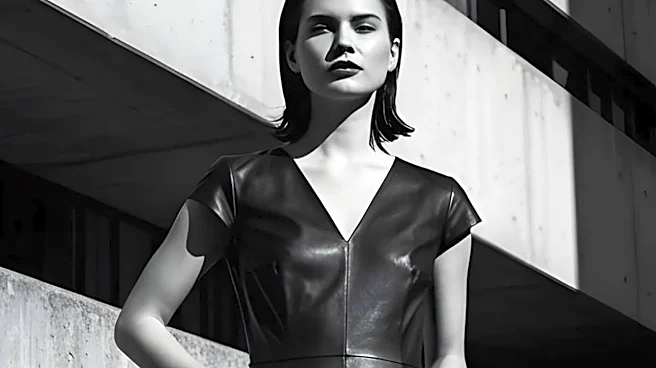
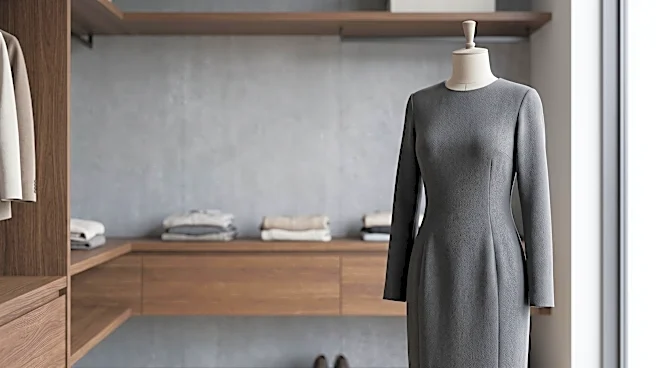
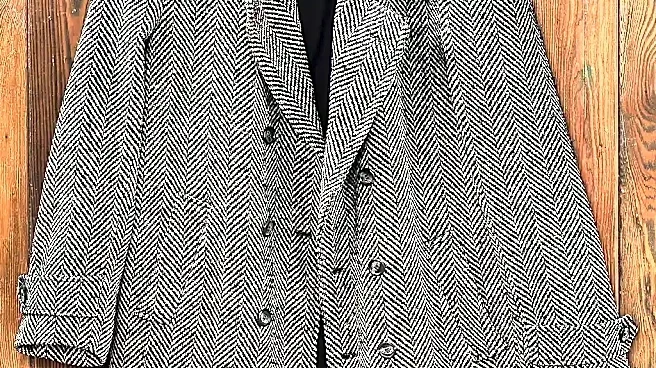
The foundation of Milanese style isn't about accumulating trendy items, but investing in quality and intention. The goal is to build a wardrobe of high-quality basics—think tailored blazers, crisp shirts, and well-fitting trousers in neutral tones like
black, beige, cream, and navy. This creates a sophisticated, neutral canvas. The philosophy prioritizes timeless silhouettes and luxurious, natural fabrics like wool, silk, and cotton that feel as good as they look. This approach ensures your clothes provide a refined backdrop, allowing one carefully chosen accessory to become the focal point of your entire outfit without competing for attention. True Milanese style is about looking considered, not cluttered.
Choose Your Statement Piece Wisely
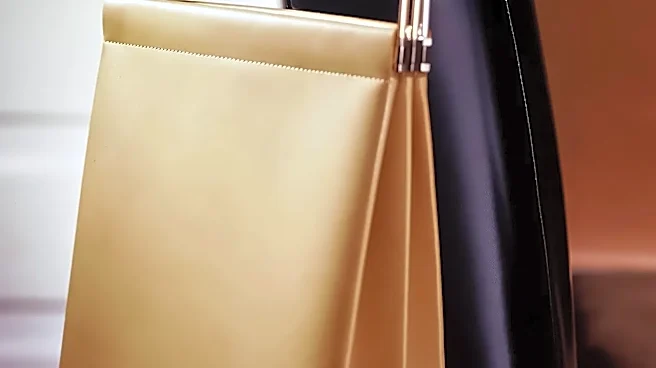
A 'statement' in Milanese terms doesn't mean overwhelmingly flashy; it means a piece with character and quality that reflects your personal style. Think of a structured leather handbag from a heritage brand, a pair of architecturally interesting sunglasses, a classic watch with a beautiful face, or a bold silk scarf. These accessories are chosen for their craftsmanship, materials, and timeless design. The piece should be powerful enough to elevate a simple outfit but versatile enough to work with multiple looks. Whether it’s a brightly colored bag against a neutral coat or a pair of eye-catching earrings with a simple dress, the accessory is the main story, not a footnote.
Master the Art of 'Sprezzatura'
Sprezzatura is the crucial, almost magical element of Italian style. It's the art of studied nonchalance—making a deliberately styled outfit look completely effortless. This isn't about being messy; it’s about intentionally softening the formal edges. Maybe your watch is worn over the cuff of your shirt, your scarf is draped just so, or your blazer sleeves are casually pushed up. This 'perfect imperfection' is what keeps a look from feeling too severe or try-hard. It’s the confidence to know the rules of style so well that you can bend them slightly, injecting personality and ease into a polished look. Your statement accessory shouldn't look like it was painstakingly placed; it should feel like a natural extension of you.
Let the Accessory Dictate the Outfit
Instead of choosing your accessory last, try building your outfit around it. Start with that statement piece—a beautiful handbag, for example—and let its color, texture, or shape guide your clothing choices. If you have a rich, caramel-colored leather bag, pair it with a cream blouse and navy trousers. If you have a vibrant silk scarf, pull one of its minor colors for your sweater. This method ensures your statement piece is integrated into the look, not just added on top. This is the difference between simply wearing accessories and styling them with intention. It's about creating a cohesive, thoughtful narrative where every element works in harmony.
Understand Context and Proportions
Milanese style is also about appropriateness. A bold, chunky necklace might be perfect for an evening aperitivo but too much for a corporate meeting. The key is balance. If your accessory is large and architectural, keep the rest of your jewelry minimal or skip it altogether. The goal is to have one clear point of interest. Pay attention to how your accessory interacts with the proportions of your outfit. For instance, a small, structured bag can create a pleasing contrast with an oversized blazer. Ultimately, the Milanese approach is a masterclass in self-editing. It’s knowing that true elegance often comes from what you choose to leave out, allowing one exceptional piece to say it all.