





An Accidental Sporting Innovation
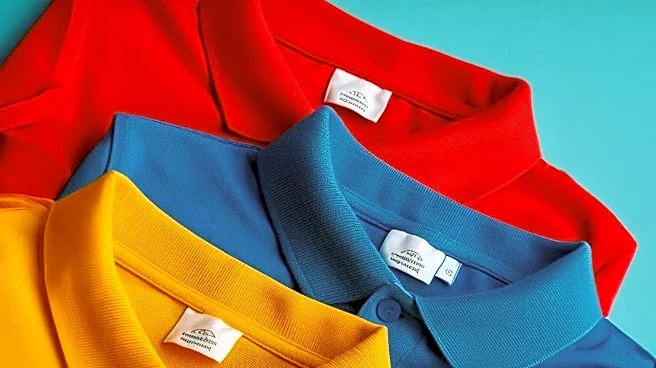
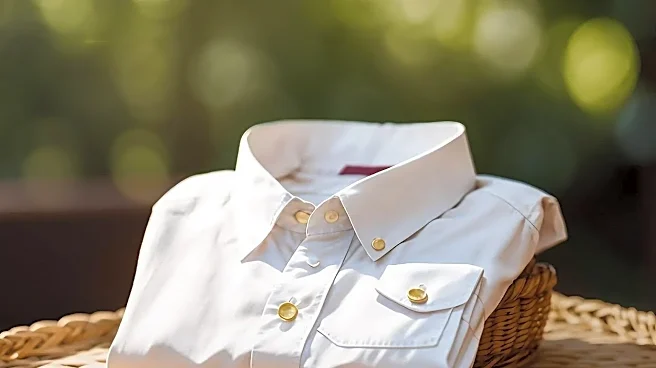
The story begins not in a design studio, but on a polo field in 19th-century England. Players were vexed by their shirt collars flapping in their faces while riding. Their practical, if not particularly elegant, solution was to sew buttons onto their collars to hold
them in place. It was a purely functional fix, a minor detail on a sports uniform. But during a trip to England in 1896, John E. Brooks, the grandson of the founder of American clothier Brooks Brothers, noticed this clever hack. He recognized its potential beyond the polo grounds and brought the idea back to the United States. The result was the “Original Polo® Button-Down” shirt, an American icon was born.
From Utility to Ivy League Uniform
The button-down’s initial success was a revolution in comfort. It replaced the stiff, detachable collars that were the uncomfortable norm for men at the time. The new soft-collared shirt was an immediate hit, especially among East Coast college students. By the mid-20th century, the Oxford Cloth Button-Down (OCBD) had become the unofficial uniform of the Ivy League. It was a symbol of a certain kind of relaxed, American aspiration—less stuffy than European tailoring but still sharp and respectable. Paired with chinos and loafers, it defined the “preppy” look for generations, representing a clean-cut, intellectual, and distinctly American style. Famous figures from F. Scott Fitzgerald to Paul Newman helped cement its status as a wardrobe essential for the modern man.
The Canvas for Counter-Culture
Just as the button-down became synonymous with the establishment, it was co-opted by those looking to defy it. The shirt’s very ubiquity made it the perfect canvas for rebellion. In the 1950s and 60s, it wasn't just for Ivy Leaguers; it was worn by jazz musicians and beatniks. European style icons like Italian industrialist Gianni Agnelli famously wore his button-down collar unfastened, a subtle act of defiance that radiated effortless cool, a concept the Italians call sprezzatura. The shirt could be worn rumpled and untucked, paired with denim, or layered under a leather jacket, each iteration giving it a new, edgier meaning. It proved it wasn’t just a garment; it was an attitude.
Crossing the Gender Divide
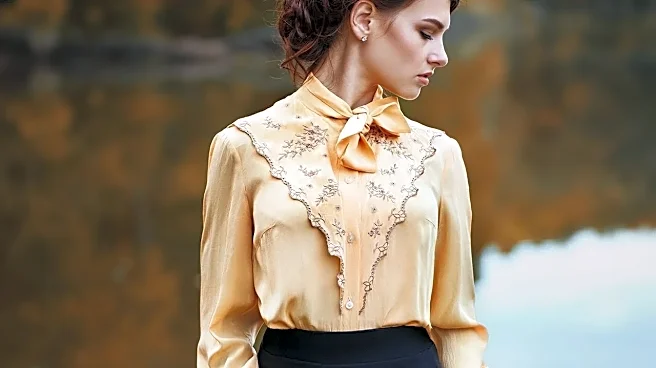
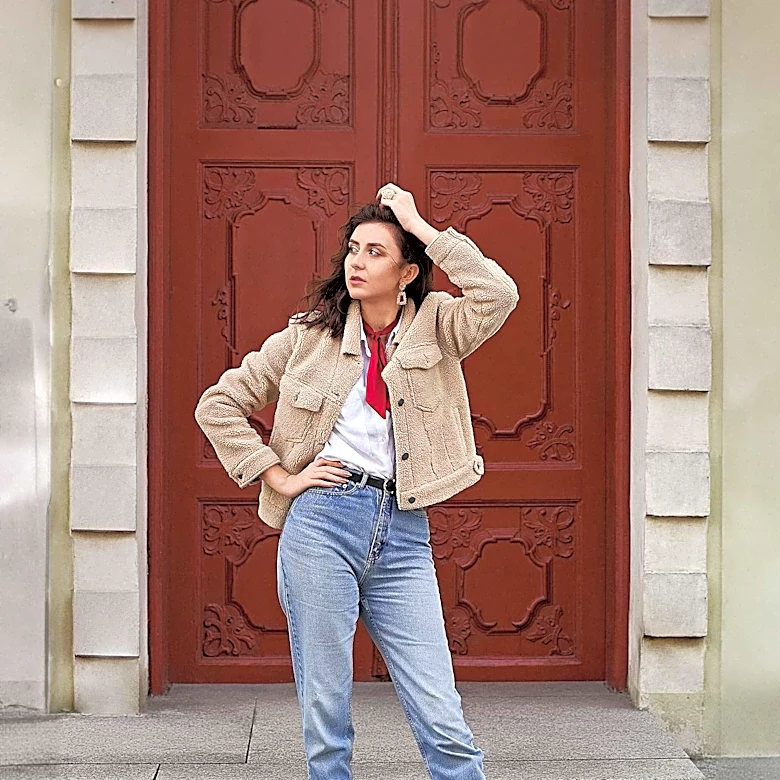
While women had worn tailored blouses known as “shirtwaists” since the late 1890s, the man's button-down truly crossed into women’s fashion as a symbol of liberation. Brooks Brothers introduced its first official women's button-down—in pink—in 1949, but the look truly took hold in the latter half of the 20th century. Icons like Katharine Hepburn and Lauren Bacall adopted the shirt, pairing it with high-waisted trousers for a look that was powerful and elegantly androgynous. By the 1980s, it had become a staple of the “power dressing” movement, a signal that women were taking their place in the corporate world. Worn oversized, borrowed from a boyfriend, or tailored and tucked in, it offered a new vocabulary for female style.
The Secret to Its Staying Power
So why has the button-down outlasted countless other trends? Its secret lies in its unparalleled versatility. It is perhaps the only garment that is equally at home at a beach bonfire, in a college lecture hall, and in a corporate boardroom. It can be dressed up with a tie and blazer or dressed down with rolled sleeves and a pair of jeans. Its design is a perfect balance of structure and ease. The fabric, often a sturdy Oxford cloth, gets better with age, softening and molding to the wearer. This adaptability makes it a chameleon, able to absorb the identity of whoever wears it, from presidents and movie stars to artists and skateboarders. It doesn't scream for attention; it quietly confers confidence.