


The Derby: Big, Bold, and Personal
Let’s start on home turf. The Kentucky Derby doesn’t really have “hat rules.” It has a hat tradition. The unofficial dress code is more of a cultural expectation rooted in Southern charm and the desire to be seen. For women, the hat is the centerpiece
of the outfit, often chosen before the dress. It’s a statement of personal style, luck, and sometimes, a healthy dose of flamboyant fun. There are no restrictions on size, shape, or what constitutes a 'hat.' The guiding principle is expression. Want a brim so wide you have to turn sideways through doorways? Go for it. Want a hat adorned with tiny horses, roses, and a bottle of bourbon? You’ll fit right in. The Derby hat is about individual peacocking. While elegance is appreciated, personality, humor, and sheer scale often win the day. It's less about adhering to a code and more about participating in a joyous, slightly over-the-top spectacle. The only 'rule' is to wear one.
Royal Ascot: A Matter of Royal Decree
Across the pond, Royal Ascot is a different beast entirely. This is where rules don't just matter; they are codified, enforced, and tied to centuries of tradition. The key to understanding Ascot is knowing that it’s not one event but several, with a strict hierarchy reflected in the dress code. The most prestigious of these is the Royal Enclosure, where you’re in the presence of the Royal Family.
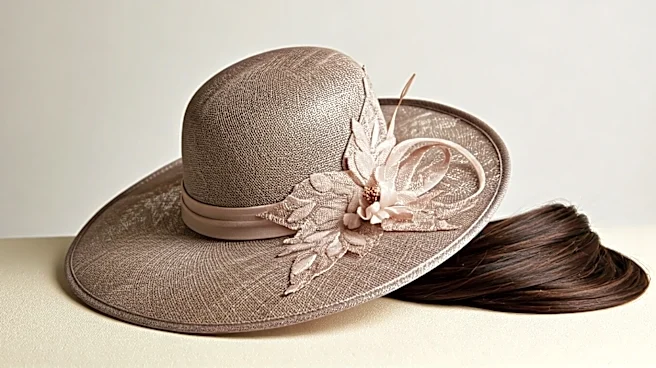
Here, the rules are non-negotiable. For ladies, hats are mandatory. But not just any hat. The rulebook specifies that a headpiece must have a solid base of 4 inches (10cm) or more in diameter. This single rule is the most significant differentiator from the Derby. It effectively bans the small, whimsical headpieces known as fascinators, which were officially outlawed from the Royal Enclosure in 2012 to uphold a more formal standard. The hat isn't just an accessory; it's a mark of respect for the occasion and its royal patrons.
The Great Fascinator Divide
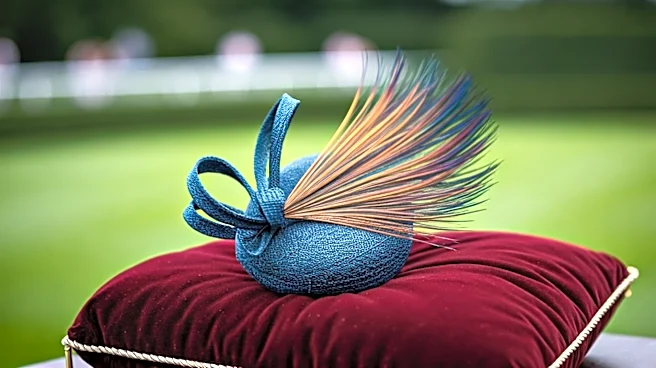
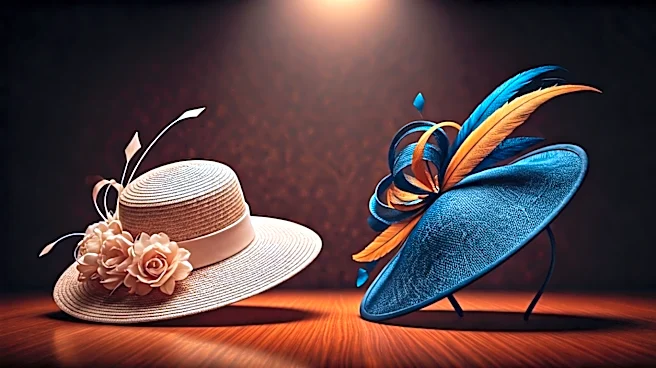
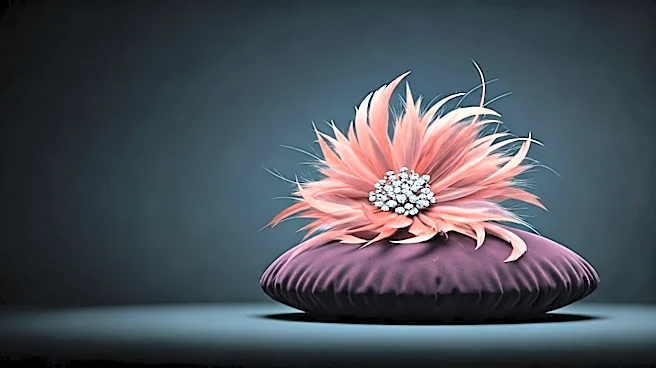
The fascinator is the perfect symbol of the cultural gap between the two events. At the Kentucky Derby, a fascinator—a small, decorative headpiece attached to a band or clip—is a perfectly acceptable and popular choice. It’s stylish, easier to wear than a large-brimmed hat, and allows for plenty of creative expression.
At Royal Ascot, however, the fascinator is a source of controversy and class distinction. While banned from the Royal Enclosure, they are permitted in other areas like the Queen Anne and Village Enclosures. This subtle rule creates a clear visual hierarchy. Spotting a fascinator immediately tells you someone is not in the most exclusive section. Its prohibition in the top tier was a direct response to a perceived decline in formality, making the “four-inch rule” a deliberate line drawn in the sand to preserve Ascot’s unique brand of decorum.
The Unwritten Style Code
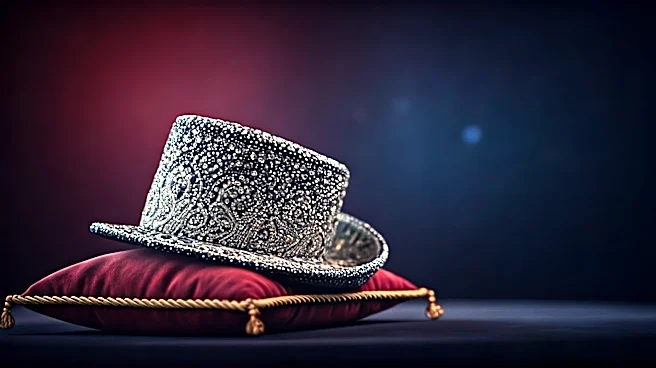
Beyond the official rulebooks lie the unwritten codes of conduct. A Derby hat can be a conversation starter full of wit and whimsy. It’s part of the party. An Ascot hat is a work of art, often commissioned from a milliner and designed to complement a sophisticated, high-fashion ensemble. Think sculptural forms, expensive materials, and couture-level craftsmanship rather than novelty themes.
The vibe check is simple: The Derby is about Southern glamour and festive celebration. The aesthetic is often more-is-more, colorful, and deeply personal. Royal Ascot, especially in its premier enclosure, is about conforming to an ideal of timeless British elegance. The goal is not to stand out with a joke, but to fit in with impeccable taste. One is a boisterous display of individuality; the other is a refined exhibition of classic style.