


The Primal Fear Opener
Think back to the beginning of Jaws. Before you meet the sheriff, the mayor, or the grizzled sea captain, you meet the shark. Or rather, you meet what it does. The film opens with a carefree beach party, a young woman’s impulsive late-night swim, and
then… terror. We don’t see the monster, but we see its horrifying handiwork. This is the “Primal Fear” opener. It’s a mission statement that tells the audience the film’s central conflict is simple and terrifying: something is out there, and it’s hunting us. It’s a technique that establishes the stakes and the central threat before the heroes even know there’s a problem. This type of opening promises a visceral, high-stakes creature feature or disaster flick. The film is telling you that its primary goal is to make your heart pound by showing you the effect before revealing the cause.
The Competence Porn Showcase
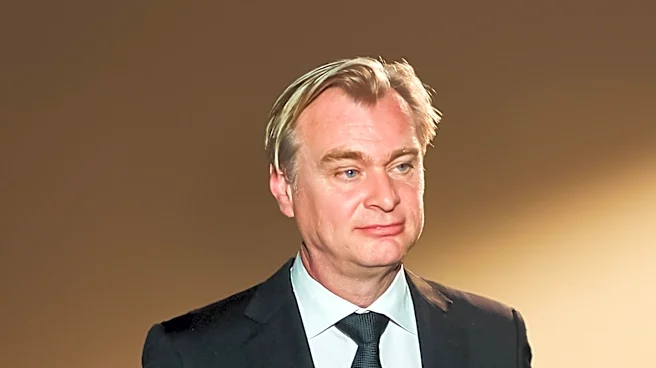
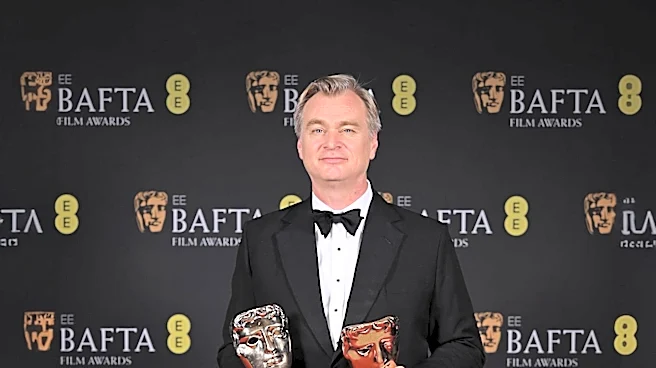
At the other end of the spectrum is the opening that showcases breathtaking skill. The first scene of The Dark Knight is not about Batman; it's a perfectly executed bank heist orchestrated by the Joker. Every move is precise, every betrayal is planned, and every beat reveals another layer of the villain’s genius. It’s a masterclass in competence. Christopher Nolan also uses this for heroes, like in Inception, where the audience is thrown into a complex, rule-based dream world. This kind of opening tells you you’re watching a cerebral blockbuster. The conflict won’t just be about brute force, but about strategy, intelligence, and out-thinking the opponent. It promises a movie filled with intricate plans, clever twists, and characters who are the absolute best at what they do—for good or for ill. It’s a signal that the film will respect your intelligence.
The Pure Vibe Check
Sometimes, an opening scene isn’t about plot or character, but pure, unadulterated vibes. The opening of Top Gun: Maverick is a perfect example. Set to the iconic theme, it’s a montage of roaring jets, sweaty naval crew, and epic aircraft carrier takeoffs against a golden sunrise. It tells you almost nothing about the story but everything about the feeling: adrenaline, nostalgia, and awe-inspiring spectacle. Similarly, the opening of Barbie doesn't dive into her existential crisis; it establishes the film’s witty, satirical, and visually distinct world with a brilliant parody of 2001: A Space Odyssey. This is the “Vibe Check” opening. It promises an experience more than a narrative. It’s a signal that the film’s primary language will be style, sound, and a carefully curated mood. You’re not just here for a story; you’re here for a feeling.
The 'In Medias Res' Plunge
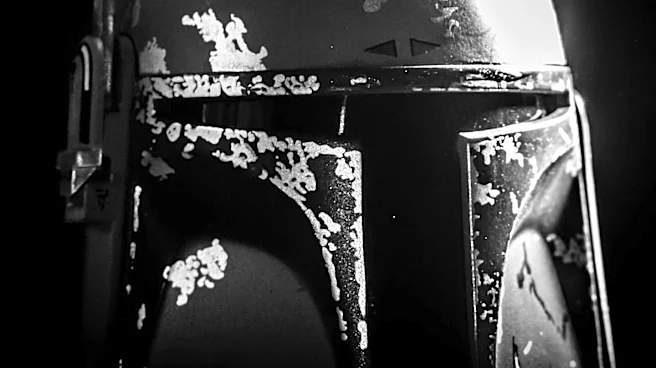
The original Star Wars didn’t start with a crawl about trade disputes; it began with a massive Star Destroyer overwhelming a tiny rebel ship, blaster fire filling the screen. You are dropped directly into the middle of a galactic civil war. This is the in medias res (in the middle of things) opening. It doesn’t hold your hand. It trusts you to catch up. The Marvel Cinematic Universe often employs this, dropping you into a battle or a chase that’s already in full swing. This type of opening signals epic scale and a dense, pre-existing world. It tells you that the story you're about to see is just one chapter in a much larger saga. It’s a bold move that communicates confidence, promising a rich, immersive universe that existed long before you bought a ticket and will continue long after.