




Estadio Azteca: The Holy Ground
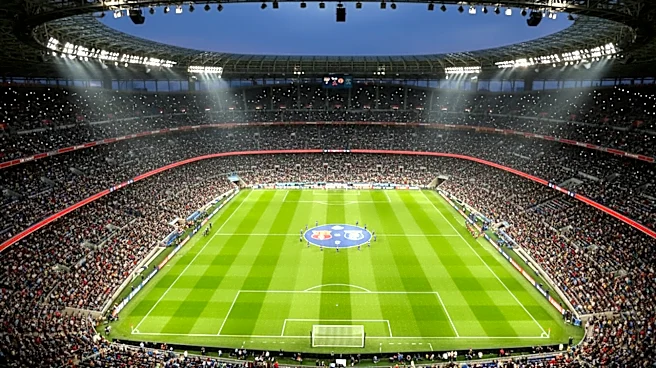
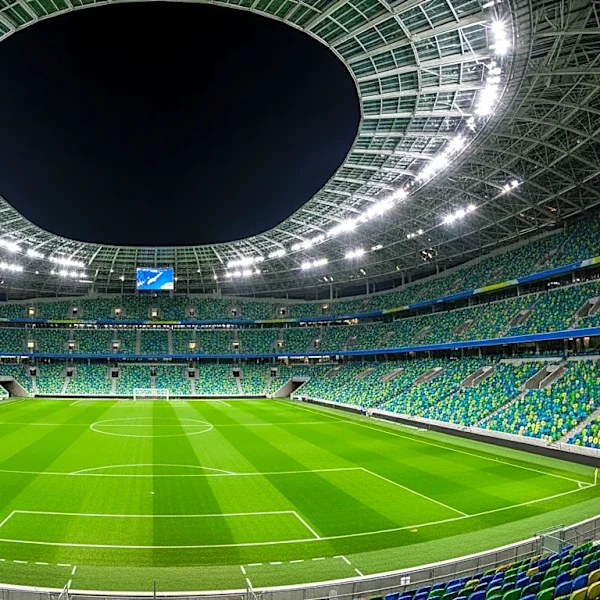
There is no other place to begin. Mexico City's Estadio Azteca is not just a stadium; it is arguably the most sacred ground in World Cup history. It is the only venue to have hosted two finals, and it will make history again as the first to host matches
in three separate men's World Cups. The ghosts of soccer's pantheon roam its stands. In 1970, a 107,000-strong crowd watched Pelé's transcendent Brazil team dismantle Italy 4-1 in a final that defined “the beautiful game.” Sixteen years later, the stadium belonged to Diego Maradona. It was here, against England in the 1986 quarter-final, that he scored both the infamous “Hand of God” goal and the “Goal of the Century,” an impossibly brilliant solo run that remains a benchmark of genius. He would later lift the trophy in the same stadium after a dramatic final against West Germany. For the 2026 tournament, the Azteca will host the opening match, ensuring its legacy is the first thing fans see.
MetLife Stadium: The Modern Mecca
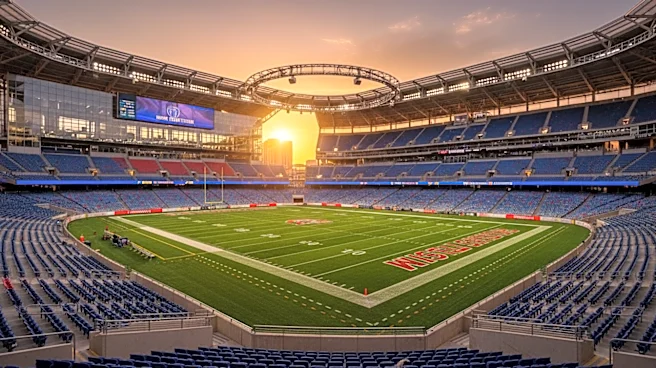
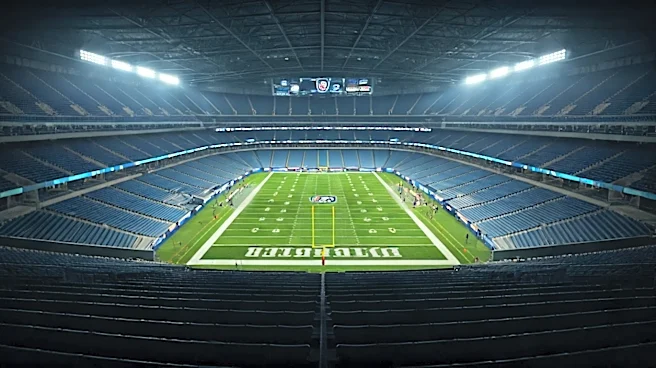
While it lacks the Azteca's half-century of lore, the host of the 2026 World Cup Final, MetLife Stadium, represents a different kind of history: the story of modern American spectacle. Located just outside New York City, it was built to host giants, both literally (the NFL's Giants and Jets) and figuratively. It has a proven track record for the world's biggest events, having hosted Super Bowl XLVIII in 2014 and the final of the 2016 Copa América Centenario. The decision to award the final to the New York/New Jersey venue was a nod to its global appeal, massive infrastructure, and the irresistible draw of the Manhattan skyline as a backdrop for crowning a champion. While the stadium itself opened in 2009, its predecessor, Giants Stadium, hosted matches during the 1994 World Cup, creating a lineage of soccer history on the Meadowlands grounds. For 2026, the stadium is being fitted with a natural grass surface to meet FIFA standards, creating the perfect stage for the planet's biggest game.
BC Place: A Monument to the Women's Game
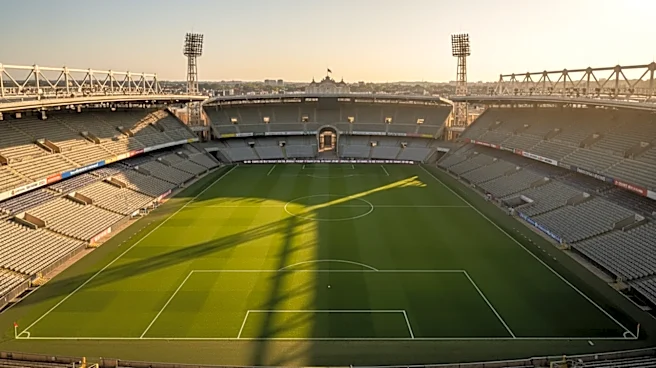
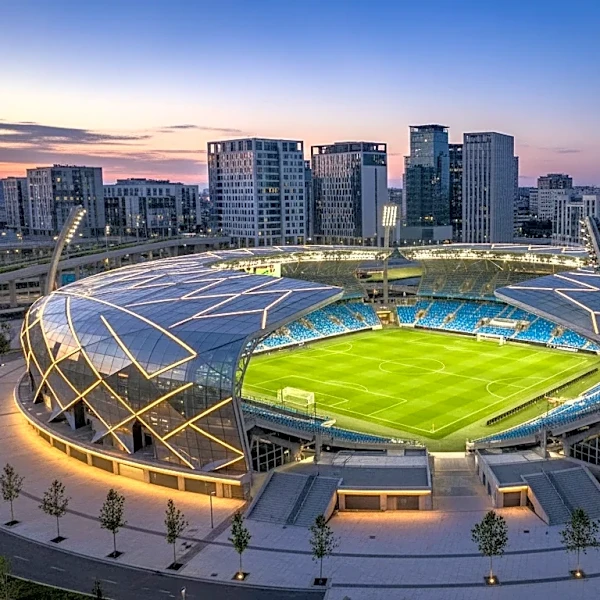
The history that echoes in Vancouver's BC Place is more recent but no less significant. This was the site of the 2015 FIFA Women's World Cup Final, a watershed moment for the sport. A sold-out crowd of over 53,000 watched the United States defeat Japan 5-2 in a thrilling, high-scoring affair. The game was defined by Carli Lloyd's incredible 16-minute hat trick, an achievement that cemented her place in soccer legend. The event was a massive success, breaking U.S. television viewership records for a soccer match and showcasing the explosive growth and passion for women's soccer. By hosting matches in 2026, BC Place becomes a rare venue that has been a pinnacle for both the men's and women's World Cup, celebrating a more complete and inclusive history of the global game.
Arrowhead Stadium: The Roar of the Heartland
Known more for the deafening roar of Kansas City Chiefs fans—it twice set a Guinness World Record for the loudest crowd at a sports stadium—Arrowhead is a venue defined by its intense atmosphere. While its deepest history lies in American football, its soccer roots run deep. It was the original home of the MLS charter club the Kansas City Wiz (now Sporting Kansas City) in 1996. More recently, it made headlines in 2024 when it hosted a club match featuring Lionel Messi that drew over 72,000 fans, the fourth-largest crowd in MLS history. That overwhelming turnout proved that Kansas City, a city steeped in sports passion thanks to its founding sports mogul Lamar Hunt, is ready for the world's stage. Hosting a quarterfinal match in 2026 is a fitting tribute to a city that has long been a passionate, if sometimes overlooked, hub of American soccer.