






Beyond the Hype Cycle
For years, the fashion industry has been locked in a frantic race for relevance. The goal was often to create a single, meme-able moment—a spray-on dress, an absurdly tiny bag, a celebrity stunt—that could dominate social media for 24 hours. While that spectacle
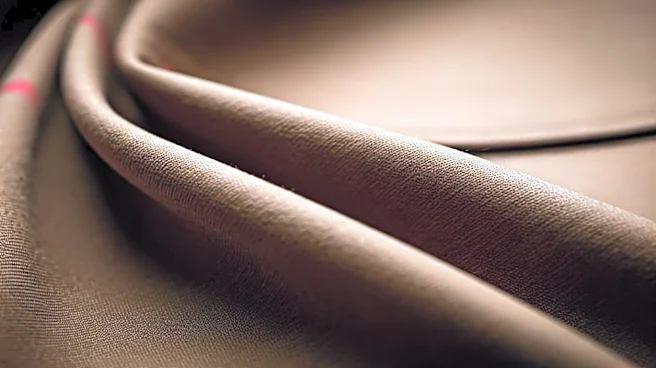
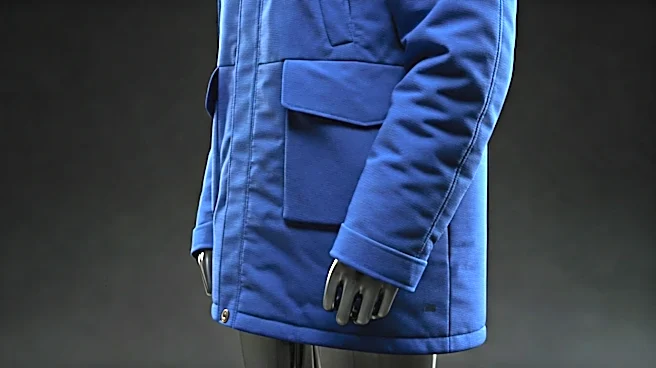
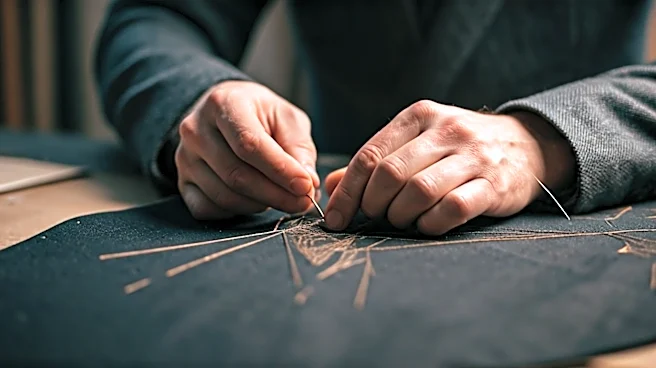
still exists, London’s most influential designers are pivoting away from it. In its place is a renewed focus on craftsmanship: the intricate hand-beading, the innovative fabric development, the thoughtful garment construction that you can’t fully appreciate on a tiny phone screen. This isn’t a loud revolution; it’s a quiet correction. It’s a bet that in a world saturated with disposable content and fast fashion, the most radical thing a designer can do is create something with permanence, skill, and a human touch.
The London Vanguard
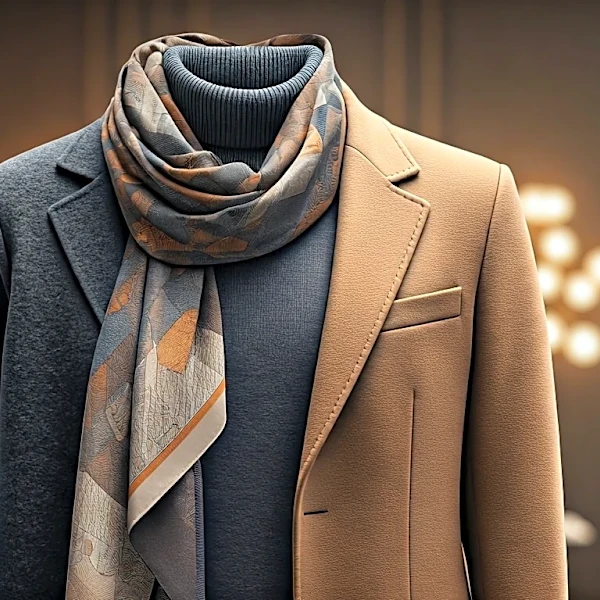
This movement is being led by a cohort of designers who have always valued substance over shock value. At Simone Rocha, collections are a masterclass in texture and emotion, with delicate pearl embellishments, complex tulle layering, and historical fabric references that feel both romantic and powerfully modern. Erdem Moralıoğlu consistently looks to history not for costumes, but for tailoring techniques and textile narratives, producing exquisitely detailed dresses and coats meant to be cherished for decades. Even a perennial innovator like JW Anderson, known for his conceptual and often surreal designs, is grounding his work in tangible craft. His recent collections have emphasized warped, sculptural knits and experiments with leather and hardware that highlight the process of making. These designers, along with others like Roksanda Ilinčić and emerging talents, are reminding the industry that a garment’s value lies not just in its image, but in its integrity.
A Reaction to Right Now
So, why is this happening now? This shift feels like a direct response to our current cultural climate. Firstly, it’s a pushback against the staggering waste of the fast-fashion industry. As consumers become more aware of the environmental and ethical toll of cheap clothing, there's a growing desire for pieces that last. A beautifully crafted garment is the ultimate antithesis to a $10 top designed to be worn twice. Secondly, it’s an antidote to our increasingly digital lives. In a world of AI-generated images and virtual experiences, the appeal of something tangible, imperfect, and demonstrably made by a human hand is stronger than ever. It represents authenticity in a sea of artifice. Finally, the pandemic recalibrated our relationship with clothing, moving many to seek comfort, meaning, and longevity over fleeting trends. We spent months at home, rediscovering the value of well-loved objects, and that mindset is now being reflected on the runway.
From Runway to Your Wardrobe
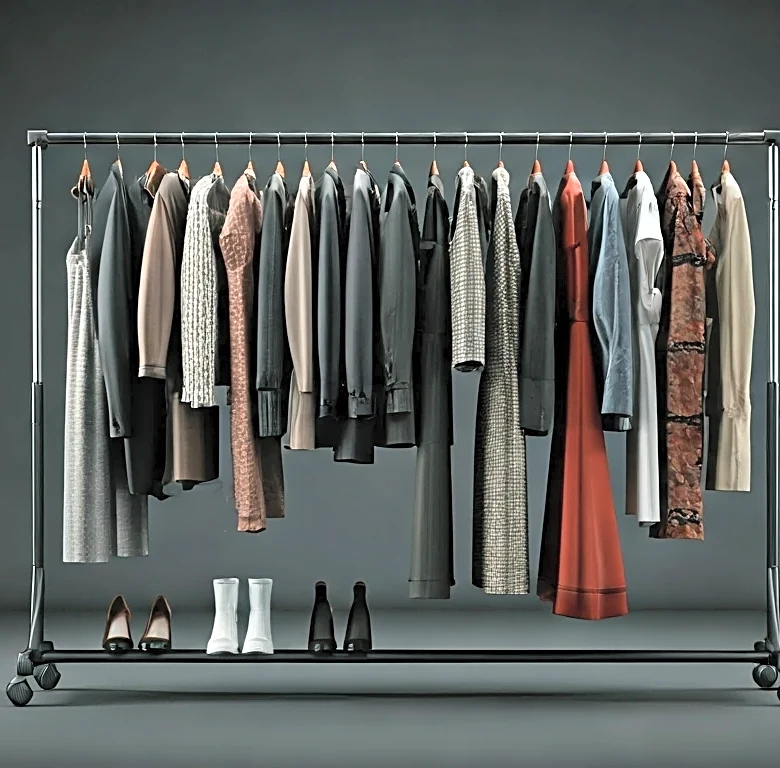
For those of us in the U.S. watching from afar, this trend isn’t about running out to buy an £8,000 coat. It’s about a shift in perspective that can influence how we all shop and dress. The focus on craft encourages us to look past the logo and ask different questions: Is this well-made? What is the fabric? Can I see myself wearing this in five years? It champions the idea of a smaller, more considered wardrobe filled with pieces that have a story. It validates the choice to invest in a local artisan, get a beloved item tailored, or choose a brand known for its quality construction over one known for its ubiquity. This quiet London trend is an invitation to slow down, appreciate the skill behind our clothes, and find more lasting satisfaction in the things we choose to own.