






The Anti-Festival Festival
Most major film festivals operate on a predictable rhythm of hype. There are splashy red carpets, aggressive media campaigns, and a competitive structure designed to anoint a handful of films as the ones to watch. Telluride, held each Labor Day weekend,
proudly rejects almost all of it. There are no official competitions, no juries for narrative films, and therefore, no prizes to be won. The entire ethos is egalitarian and focused on a pure love of cinema. You're more likely to find a world-famous director waiting in the same coffee line as you than you are to see them flanked by paparazzi. This intentionally low-key, democratic atmosphere strips away the competitive pressure, encouraging attendees to form their own opinions away from the roar of the crowd.
Blind Faith and a Secret Slate
Perhaps the most defining feature of Telluride is its clandestine approach to programming. Unlike Cannes, Toronto, or Venice, the festival doesn't announce its lineup until the festivities are about to begin. Attendees—a mix of passionate cinephiles, industry insiders, and filmmakers—buy their expensive, quick-to-sell-out passes on blind faith alone. This creates an unparalleled sense of discovery. You arrive not with a pre-made checklist of must-see films, but with an open mind. Every screening is a potential surprise, viewed without the baggage of months of marketing or critical buzz. This tradition of secrecy is central to the festival's identity; it asks the audience to trust the curation and simply show up, ready to be surprised.
A Program Built for Discovery, Not Dominance
The secret lineup, when finally revealed, is a testament to curatorial diversity. The schedule is a carefully crafted mix of anticipated future Oscar contenders, quiet international gems, groundbreaking documentaries, and rediscovered classics from cinema's past. In one day, an attendee might watch a major American studio's awards hopeful, a restored silent film with live musical accompaniment, and a debut feature from an unknown director. This eclectic blend ensures that no single type of film dominates the conversation. While Telluride has a formidable track record for premiering future Best Picture winners like "Moonlight" and "Parasite," these films screen alongside dozens of others that are equally championed. The programming fosters a culture where a forgotten 1930s classic can generate just as much passionate debate as the season's biggest hit.
The Altitude Breeds a Different Attitude
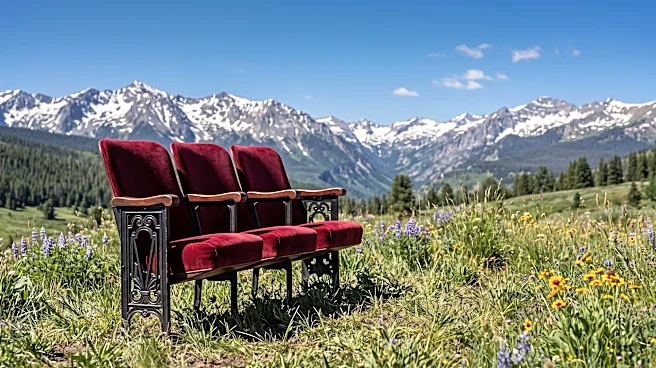
You cannot separate the Telluride experience from its stunning, isolated location in the San Juan Mountains. The small, walkable town triples in size, but the atmosphere remains collegial and intimate. Over four days, the entire village becomes a campus dedicated to one thing: talking about movies. The lack of a formal market or press-only screenings means filmmakers, critics, and the public mingle freely, sharing thoughts in line, at dinner, or in the town square. This communal environment, far from the industry hubs of Los Angeles and New York, encourages genuine conversation and personal connection. It's in these spontaneous debates and shared discoveries that individual favorites are forged. The "best film" at Telluride isn't what a jury decides, but what moves you, what challenges you, and what you can't stop talking about on the shuttle back to your lodge.