


It’s a System, Not an Outfit
The first thing to understand is that a cycling kit is purpose-built equipment, not just clothing. Every element, from the fabric to the stitching, is designed to solve a problem that arises when you spend hours on a bike. The primary goals are to manage
sweat, minimize chafing, reduce wind resistance, and provide comfort while in a forward-leaning riding position. A regular t-shirt and gym shorts might feel fine for a quick spin, but on a longer ride, they become a liability. A cotton tee soaks up sweat, becoming heavy and cold, while loose shorts can bunch up and cause painful friction. Cycling apparel is engineered to work as a system to prevent these issues entirely.
The Padded Short: Your Best Friend in the Saddle
The most crucial, and often most misunderstood, component is the padded short. That built-in cushion, called a chamois (pronounced “shammy”), is the true hero of any cycling outfit. Its job is to provide a soft, supportive layer between your body and the hard saddle, reducing pressure on sensitive areas and dampening road vibrations. Modern chamois are marvels of engineering, featuring multiple foam densities, antimicrobial fabrics to prevent bacteria, and moisture-wicking properties. This leads to the golden rule of cycling shorts: you don't wear underwear with them. The chamois is designed to be in direct contact with your skin to eliminate seams and fabric bunching that would otherwise cause chafing and discomfort.
Why So Tight? The Science of Second Skin
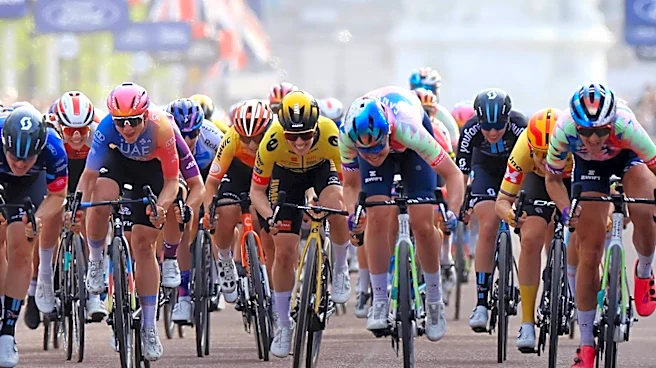
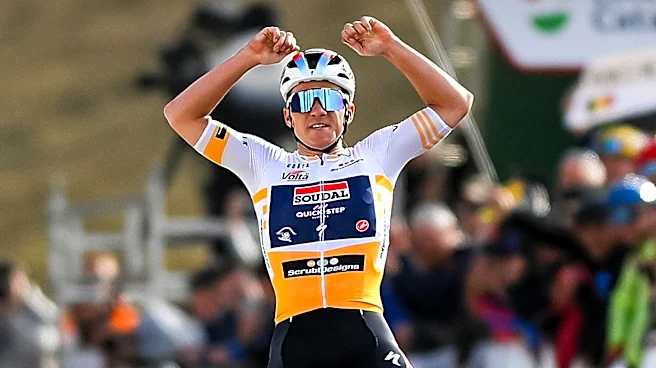
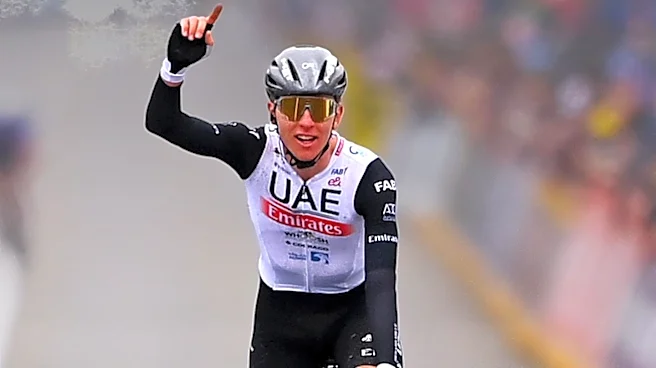
The snug, second-skin fit of cycling apparel isn't just to show off; it serves two critical functions: aerodynamics and moisture management. A tight-fitting jersey and shorts made from materials like Lycra and polyester blends don't flap in the wind, which reduces drag and saves you energy. Just as importantly, this close fit allows the technical fabric to do its job. For moisture-wicking to work effectively, the material needs to be in contact with your skin to pull sweat away and let it evaporate, keeping you cooler and drier. A loose shirt simply can't do this efficiently.
Body Mapping and Purposeful Details
The “hidden detail” is really a collection of thoughtful design choices. High-end kits use a technique called “body mapping,” where different fabrics are used on different parts of the garment. For example, a jersey might have a wind-blocking material on the chest, highly breathable mesh panels under the arms and on the back, and stretchy fabric on the shoulders for freedom of movement. You’ll also notice other specific features: jerseys are cut longer in the back to provide coverage when you’re bent over, and silicone grippers at the leg and waist hems keep everything from riding up. Those three pockets on the back of the jersey aren't just for show; they're strategically placed to allow easy access to snacks, your phone, or tools without needing a backpack.