





A Character, Not a Location
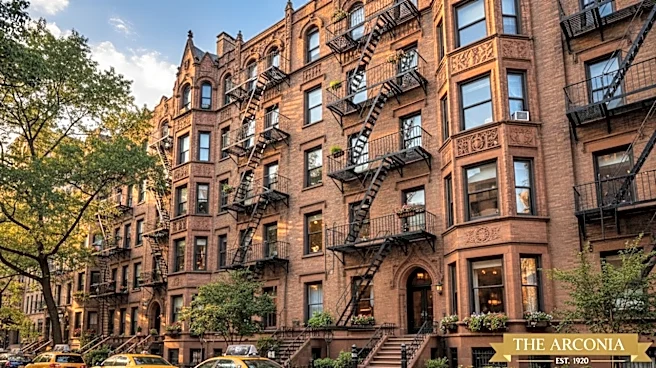
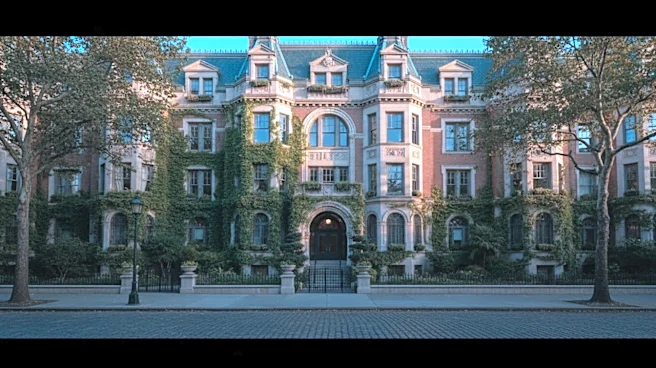
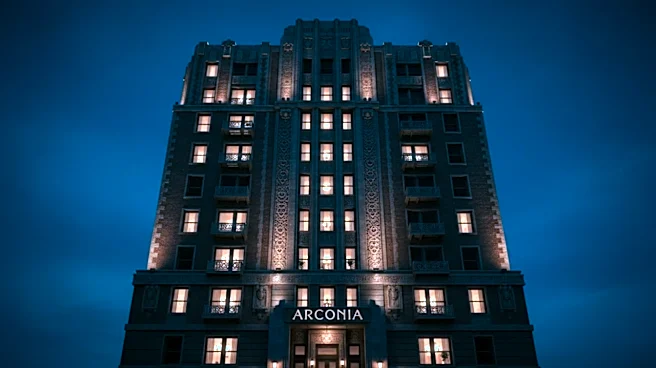
On paper, the Arconia is a pre-war apartment building on the Upper West Side, its stunning exteriors filmed at the real-life Belnord. But in the world of "Only Murders in the Building," it’s so much more. It's a cliché to call a setting a "character,"
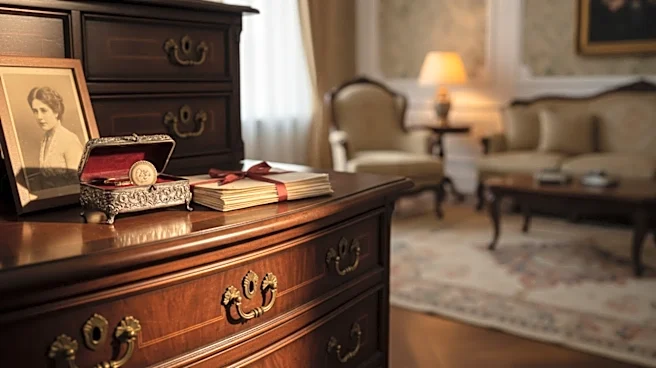
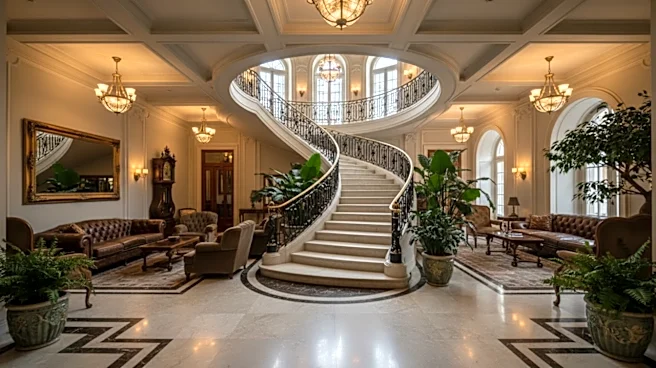
but the Arconia earns it. The building has moods, secrets, and a history that actively shapes the narrative. Its individual apartments are extensions of their residents' personalities, from Oliver's theatrical maximalism to Charles's tasteful restraint. The production designers treat every new space as an opportunity to expand the building's lore, whether it's Bunny Folger's surprisingly warm apartment or Nina Lin's fiercely modern one. The building breathes, groans, and sometimes, it hides bodies.
The Ultimate Story Engine
A great piece of intellectual property doesn't just create a world; it creates a system for telling infinite stories. The Arconia is a perfect story engine. Its very design—a vertical community where dozens of eccentric, wealthy, and secretive New Yorkers live on top of each other—is a masterclass in narrative containment. You don't need a convoluted reason for characters to cross paths; they share an elevator. The building provides a constant, plausible stream of suspects, victims, and red herrings. More importantly, its physical structure generates plot. The discovery of the "Arcatacombs," a series of secret passageways, gave the writers a literal new dimension to play in, allowing characters to spy and sneak around in a way that feels both thrilling and earned. The building isn't just where the story happens; it makes the story happen.
The Visual and Brand Identity
When you think of "Only Murders," what do you see? The grand archways of the courtyard entrance. The elegant, aged facade. The distinct silhouette against the New York skyline. The Arconia provides the show with its entire visual brand. It’s the image on the posters, the establishing shot in every episode, and the backdrop for countless marketing materials. Hulu has even leaned into this, creating hour-long ambient room videos that let fans virtually hang out in the show's apartments, soaking in the atmosphere. This strategy builds a powerful sense of place and attachment. The building is so central that its fictional history, created by showrunner John Hoffman and his team, feels as real as the brick and mortar of its real-world counterpart.
A Blueprint for Longevity
Actors can leave a show. Storylines can run their course. But the Arconia is forever. By making the building the narrative center of gravity, the creators have built a franchise that can outlast its original premise. Much like the hotels in "The White Lotus" or the titular park in "Westworld," the Arconia is a reusable platform for new mysteries. Future seasons (or even spin-offs) could explore different residents, different eras in the building's history, or different crimes. This is the core of its value as intellectual property. It's not just a show about three specific podcasters; it's a show about a building where murders happen, and anyone can become the next subject. The social media campaign even invented an in-world resident, "Barb," to guide fans, cementing the idea of the Arconia as a living community.