




From Strongman to Sculpted God
For decades, the cinematic superhero was simply a fit guy in a suit. Christopher Reeve’s Superman from 1978 had an athletic, swimmer's build, but he wasn’t a bodybuilder. His power came from the yellow sun, not hypertrophied muscle fibers. Earlier heroes
were often based on circus strongmen, with a more barrel-chested look. The shift began subtly, gaining momentum with the action heroes of the 80s and 90s, but it was the 21st-century comic book movie boom that cemented a new, hyper-defined ideal. Hugh Jackman’s transformation as Wolverine showed a glimpse of what was to come, but the launch of the Marvel Cinematic Universe in 2008 with Iron Man set a new standard. Suddenly, the physical transformation of the actors became its own media spectacle.
The 'V' Stands for Vigilante
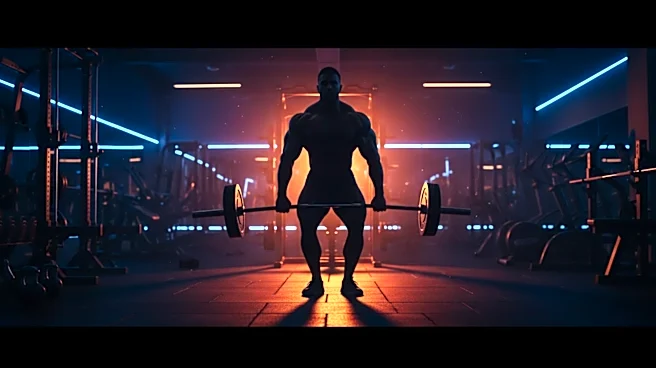
The modern superhero body isn’t just about being big; it’s about a specific, almost architectural geometry: the V-taper. This look, characterized by massive shoulders and a narrow waist, is a visual shorthand for power. Research into comic book characters found that male heroes are often drawn with shoulder-to-waist ratios that are far beyond normal human limits. When Chris Evans debuted as Captain America, fans jokingly compared his torso to a Dorito chip, a testament to this exaggerated silhouette. This aesthetic requires targeted training, focusing on building the lats and deltoids to create an illusion of width, while keeping body fat exceptionally low to accentuate a small waist. It’s a look that says strength before a single punch is thrown.
The Hollywood Workout Hits the Gym
This on-screen ideal didn't stay in Hollywood. The marketing for these blockbuster films heavily features the grueling workout routines and diets of stars like Chris Hemsworth. His transformation to play Thor, involving immense calorie intake and punishing training sessions, became as much a part of the character's legend as the hammer he wielded. This created a ripple effect in global fitness culture. Suddenly, a new generation had a visual benchmark for the ultimate physique, and fitness influencers on social media quickly capitalized, offering workout plans to achieve that coveted "superhero body." The goal for many young men shifted from simply being fit to aspiring to an on-screen ideal that was, for the first time, presented as attainable.
The Unspoken Toll of an Impossible Standard
While inspiring for some, this “superhero standard” has also placed immense pressure on men and boys, contributing to rising body dissatisfaction and dysmorphia. Research has shown that repeated exposure to these ultra-lean and muscular bodies can erode self-worth. What’s often lost in the aspirational headlines is the extreme, and often temporary, nature of these physiques. Actors are supported by teams of trainers and nutritionists, and sometimes utilize muscle padding in their suits to enhance their shape. Furthermore, the pre-scene dehydration techniques that actors like Chris Hemsworth use to make muscles appear harder and more defined are explicitly described by their own trainers as not healthy. The result is a widely promoted ideal that is often unrealistic and unsustainable for the average person, creating a silent struggle for many who feel they fall short.