





The Anchor of Authenticity
When adapting a book or video game, the lead actor isn't just playing a character; they are the living embodiment of a world fans already know and love. This person becomes the anchor, the proof that the creators 'get it.' Take Pedro Pascal in 'The Last
of Us.' While he may not have been a physical clone of the video game's Joel, his performance captured the character's core essence of a tough, broken man capable of deep love. Initial fan skepticism quickly dissolved because his portrayal felt emotionally authentic, providing a grounding force that allowed the entire series to succeed. This choice validated the adaptation in the eyes of the faithful, turning potential critics into evangelists. The right actor makes the fictional world feel real and reassures audiences that the story is in safe hands.
The Chemistry Cascade
A single great performance creates a ripple effect, elevating every other actor on screen. Casting is about building a believable ecosystem of relationships, and the right lead actor sets the tone for everyone else. Their performance can shape how other roles are written and played. A charismatic, well-cast lead can generate chemistry with a co-star from a single glance, making their entire relationship arc feel earned. Conversely, a miscast lead can create a charisma vacuum, forcing their scene partners to overcompensate and pulling viewers out of the story. The disastrous 1998 film adaptation of 'The Avengers' is a classic example, where the lack of chemistry between the leads failed to recapture the magic of the original series, effectively dooming the project. On-screen magic is rarely an accident; it's the result of a casting choice that radiates outward.
Winning Before the Game Starts
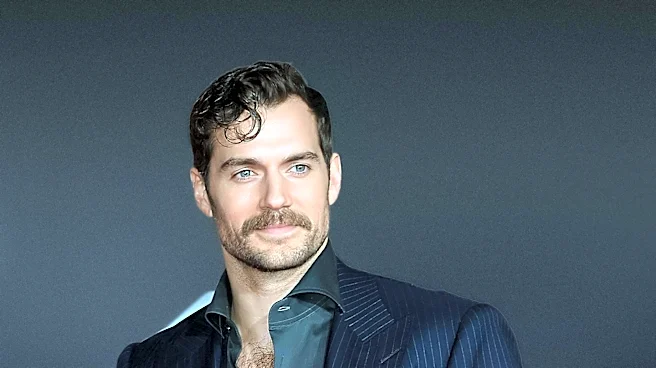
In the age of social media, the battle for an adaptation's success is often won or lost with the casting announcement. Months before a trailer drops, a single name can generate a tidal wave of positive buzz or a firestorm of controversy. When Henry Cavill, a genuine fan of the source material, was cast as Geralt in 'The Witcher,' it sent a powerful message to the fanbase. His passion for the role was evident and it built immense goodwill long before the show's premiere. In contrast, the announcement that Liam Hemsworth would replace him was met with significant fan backlash, creating a cloud of negativity that the production has had to actively manage. This pre-release narrative, shaped entirely by one casting decision, can determine a show's trajectory, impacting everything from press coverage to audience willingness to even tune in.
The Risk of the Obvious Choice
Sometimes, the most 'perfect' casting choice on paper is a trap. Casting a huge, universally recognized star can prevent audiences from seeing the character. Instead, they just see a celebrity playing dress-up. The challenge is finding an actor who can disappear into the role, not overshadow it. This is why fan castings, which often default to the most popular actors of the moment, can be misguided. The initial backlash to Heath Ledger's casting as the Joker is a prime example; fans couldn't see past his teen heartthrob roles to imagine his transformative potential. Yet, his performance became legendary precisely because he wasn't the obvious choice. The most resonant casting often involves a risk—selecting an actor who has the right essence, even if they don't have the expected look or star-wattage. It's about finding an artist, not just a famous face.