





The Shoe Stepping Back into the Spotlight
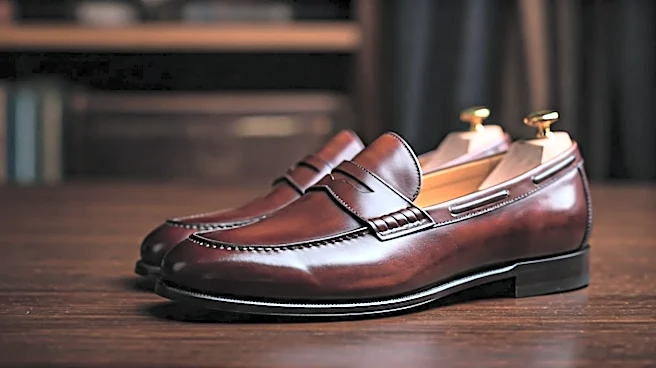
We’re not talking about your grandfather’s clunky, hard-soled penny loafers. The shoe making a triumphant return is its softer, more sophisticated European cousin: the unstructured loafer. Think of the iconic Belgian loafer, with its signature little
bow and trim piping, or the glove-like driving moccasin. These shoes are defined by what they lack: there's no heavy welt, no rigid structure, and no aggressive heel. They are lightweight, flexible, and designed to be worn with the nonchalant grace of someone enjoying an espresso at a sunny piazza. Made from supple suede or soft leather, they mold to the foot, blurring the line between a slipper and a proper shoe. This isn't footwear for a ten-mile hike; it's for navigating the modern world with style and comfort.
A History of Studied Carelessness
This style of footwear found its spiritual home in post-war Italy. As the country rebuilt itself into a hub of industry and artistry, its men cultivated a unique approach to dressing known as *sprezzatura*. The term, loosely translated as “studied carelessness,” is about making a formal wardrobe look personal and un-fussed. It’s an unbuttoned collar, a slightly askew tie, or wearing a beautifully crafted, comfortable loafer with a tailored suit. The driving shoe was born from this ethos, created for wealthy Italian gentlemen who wanted a flexible shoe that protected their expensive handmade dress shoes while driving their equally expensive sports cars. Similarly, the Belgian loafer, despite its name, was an American invention from the 1950s designed to capture that same European resort-wear feeling—a house shoe elegant enough to wear out. It became an understated symbol of jet-set class, favored by industrialists and royals alike.
More Than a Trend, It's a Correction
So why is this particular shoe having a moment now? Because after more than a decade of sneaker dominance, many men are experiencing 'hype fatigue.' The endless drops, collaborations, and soaring resale prices have turned what was once a simple style choice into a competitive sport. The return of the soft loafer is a quiet correction—a move away from conspicuous consumption and toward quiet confidence. It’s a way to look put-together without appearing to have tried too hard. In a world of hybrid work where the dress code is perpetually undefined, this shoe is the perfect answer. It's more polished than a sneaker, but less formal than an Oxford. It effortlessly bridges the gap between the couch and the casual client lunch, the weekend getaway and the weeknight dinner.
What Its Return Says About Us
The resurgence of this Italian-inspired classic matters because it reflects a broader cultural shift. It’s a pivot toward longevity and craftsmanship over fleeting trends. In an era of disposable fast fashion, investing in a well-made leather shoe that gets better with age feels like a radical act. It signals a desire for maturity and sophistication in menswear that goes beyond brand logos. Wearing a soft loafer says you value history, comfort, and the art of getting dressed. It suggests you’ve graduated from the noise of streetwear culture and are building a wardrobe based on timeless principles. It’s not about rejecting sneakers entirely, but about reintroducing balance and nuance into how men dress. It’s an acknowledgment that sometimes, the most powerful style statement is the one that whispers instead of shouts.