






An Unlikely American Ritual
For generations, the American sports calendar has been a fortress, dominated by the familiar rhythms of football, baseball, and basketball. Yet, a quiet revolution is happening in the off-hours. In cities across the country, thousands of fans are setting
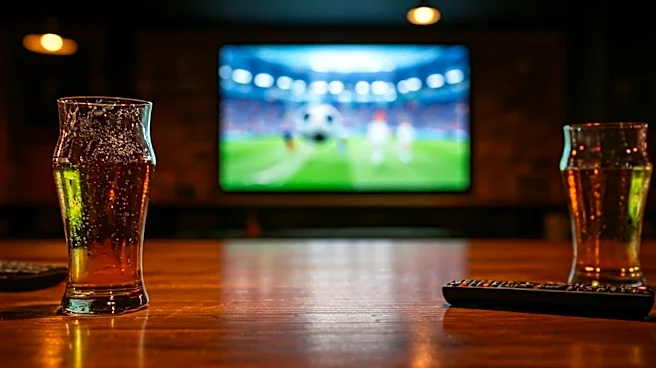
their alarms not for a morning jog, but to pull on a jersey and head to a pub to watch teams from cities like Liverpool, Manchester, and London. This is the Premier League watch party, a cultural phenomenon built around the inconvenient time difference between the U.S. and England. What began as a niche activity for expats and hardcore fans has blossomed into a powerful, community-driven ritual. It’s a weekly appointment that doesn’t ask Americans to give up their NFL Sunday or their college football Saturday afternoon; instead, it carves out its own unique territory in the morning.
Solving the 'Soccer Problem'
For decades, soccer has been the “sport of the future” in America—a future that always seemed just out of reach. Pundits pointed to a host of reasons for its failure to launch into the top tier of American sports consciousness. The games were too low-scoring, they lacked the constant stoppages needed for commercial breaks, and there wasn’t a domestic league with the history or star power to compete with the NFL or NBA. The World Cup would generate a passionate frenzy every four years, only for the energy to dissipate as soon as the tournament ended. The sport lacked the week-in, week-out cadence that builds lasting fanbases. It was an event, not a habit.
The Premier League Difference
The rise of the English Premier League (EPL) changed the equation. Thanks to savvy global marketing and a multi-billion dollar broadcasting deal with NBC Sports, the EPL delivered a consistently high-quality, dramatic product directly into American living rooms every weekend from August to May. Unlike the sprawling, quadrennial nature of the World Cup, the EPL offered the narrative continuity Americans crave. It has heroes and villains, dramatic title races, and gut-wrenching relegation battles where teams fight to avoid being dropped to a lower division. This week-to-week storytelling allows fans to become invested in the fates of clubs they may never see in person. It transformed soccer from a special occasion into a reliable staple of the sports diet.
Community, Coffee, and Commitment
The breakfast watch party is the physical manifestation of this new era. It’s where the digital experience of watching on TV becomes a tangible, communal one. Gathering in a crowded bar with a hundred other people who share your absurd passion for a team 4,000 miles away creates an immediate and powerful bond. It’s a tribe. These events are not sterile, corporate-sponsored affairs; they are grassroots movements, often organized around a single pub that has become the unofficial home for a team's supporters. Sharing a plate of eggs Benedict while screaming at a missed shot or celebrating a last-minute winner forges a different kind of connection. It’s less about the sport itself and more about the shared experience. This ritual turns passive viewing into active participation, creating the kind of sticky, loyal fandom that marketing executives can only dream of.