


The Hero's Cape: Aspiration and Idealism
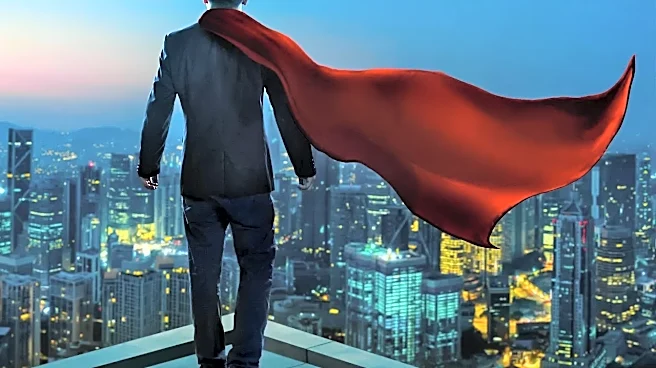
Choosing to dress as a hero is often an exercise in aspiration. When you don a superhero's emblem or a knight's armor, you're tapping into a desire for a clearer, more just world. Psychologically, this choice can be about wish-fulfillment. In a reality
that's often messy and morally gray, embodying a figure of strength, courage, and unambiguous goodness provides a powerful, if temporary, escape. It allows us to project the best versions of ourselves—the person who always does the right thing, protects the innocent, and stands for something noble. This isn't just for kids; adults who pick heroic costumes are often connecting with an inner idealist, expressing a part of themselves that believes in order, justice, and the power of a single individual to make a positive impact. For a day, they get to be the solution, not part of the problem.
The Villain's Mask: Embracing the Shadow Self
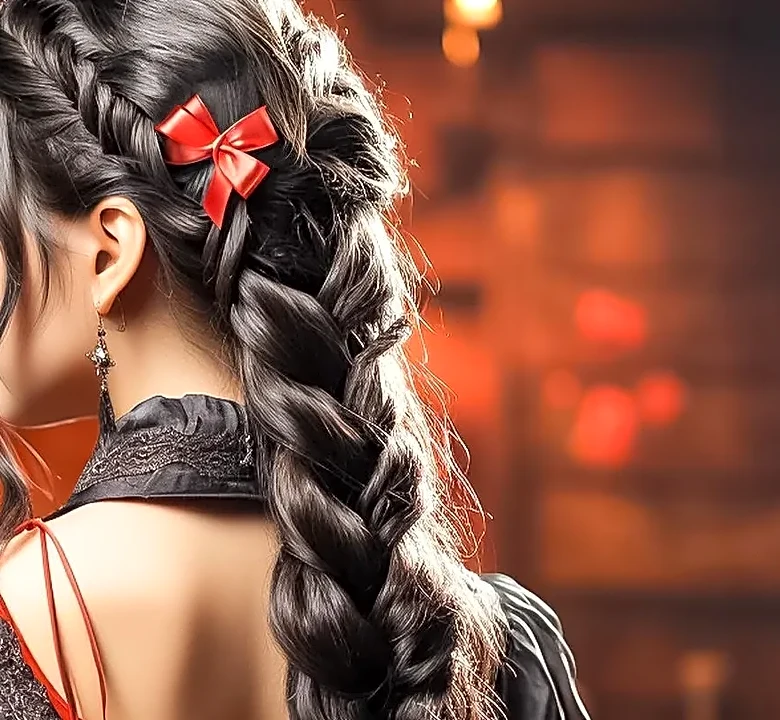
The allure of the villain is the allure of freedom. Dressing as a villain is a safe way to explore the parts of ourselves we typically suppress—what Carl Jung called the "shadow self." It's a cathartic release, a chance to be unapologetically selfish, powerful, or even a little chaotic without any real-world consequences. Villains get to break all the rules we spend our lives following. By dressing as one, we get a vacation from our own conscience. This choice isn't necessarily a sign of a dark personality; rather, it's often a playful acknowledgment of our own hidden impulses. The most compelling villains often have a flair for drama and a distinct aesthetic, making them fun to embody. It’s an opportunity to swap societal expectation for pure, unadulterated performance.
The Antihero's Gray Area: Relatability and Rebellion
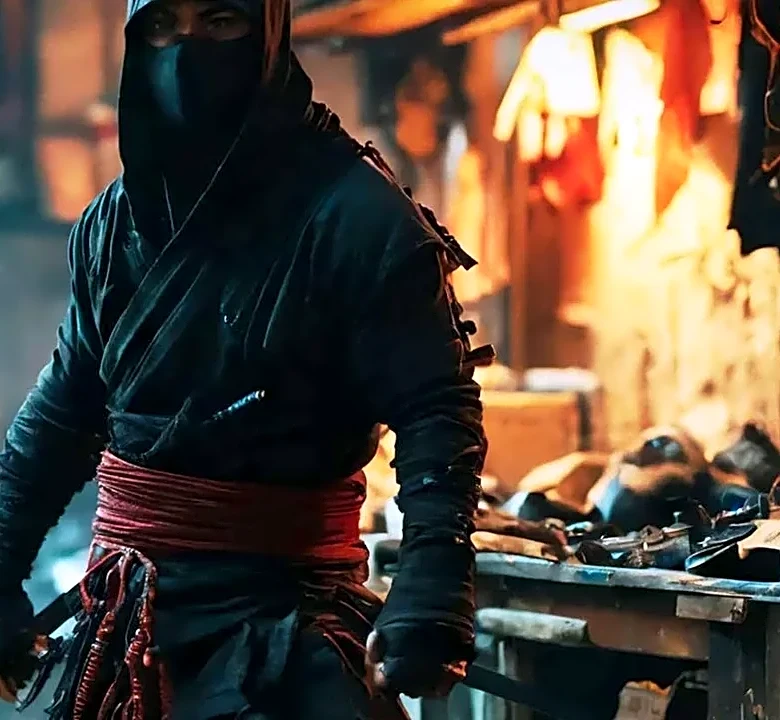
The rise of the antihero costume speaks volumes about our modern sensibilities. Characters who operate in a moral gray area—doing questionable things for understandable reasons—feel incredibly relatable. Unlike the flawless hero, the antihero is flawed, complex, and often a victim of an unjust system. Choosing an antihero costume can be a way of saying, "The world is complicated, and so am I." We root for them because we understand their struggles, even if we don't condone their methods. This choice reflects a loss of faith in simple binaries of good and evil and an appreciation for nuanced characters who feel more human. It's a form of rebellion that feels grounded, allowing for the expression of cynicism and defiance while still holding onto a core of relatable motivation.
It's All in Your Head: The Power of 'Enclothed Cognition'
Regardless of the archetype, the simple act of putting on a costume changes how you feel and act. This phenomenon has a name: "enclothed cognition." Coined by researchers Hajo Adam and Adam D. Galinsky, it's the idea that clothes have a symbolic meaning, and physically wearing them can trigger associated psychological processes. When you wear a lab coat you're told belongs to a doctor, you tend to pay closer attention. Apply this to a costume: the weight of a hero's cape, the sleekness of a villain's suit, or the grit of an antihero's jacket sends signals to your brain. The costume gives you permission to embody the traits of that character, making you feel braver, more cunning, or more rebellious. For one day, the clothes really do make the man—or woman.