




Before it was a billion-dollar franchise, 'Halloween' was a tiny independent film made for peanuts. Its legendary success wasn't an accident—it was the result of a brilliant, patient strategy that holds powerful lessons for today's distributors.
Embrace the Slow Burn
In today's
market, the pressure is on for a massive opening weekend. Films debut on thousands of screens, backed by millions in marketing, and are often declared a success or failure by Saturday morning. The original 'Halloween' did the exact opposite. Its distributor, Compass International Pictures, used a 'platform release' strategy, opening the film in a single city—Kansas City—and slowly rolling it out across the country over months. This allowed word-of-mouth to build organically. Strong reviews and audience buzz in one city created demand in the next. For modern indies facing overwhelming competition from studio blockbusters, this patient approach is a vital lesson. Instead of trying to shout everywhere at once, they can focus their resources on conquering one market or community at a time, letting authentic excitement, not just ad spend, carry the film forward.
Weaponize Your Niche
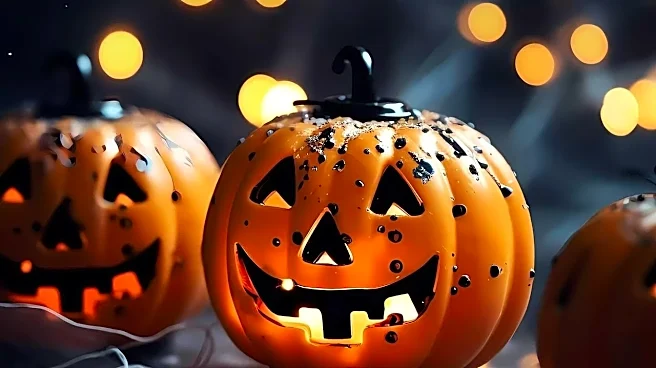
Producer Irwin Yablans didn't conceive of a vague horror movie; he specifically wanted a film set on and titled 'Halloween'. This was a stroke of marketing genius. The film had a built-in, can't-miss release window and an instantly understandable theme. It targeted a specific audience (teenagers) at a specific time of year and owned it completely. Only after it saturated its core demographic did it cross over into a mainstream phenomenon. Indie distributors today operate in a landscape of infinite content. Trying to be for everyone is a recipe for being for no one. The 'Halloween' model proves the power of super-serving a well-defined niche. Whether it’s a specific subculture, a regional audience, or fans of a particular genre, dominating a small pond is the first step to making waves in the ocean.
Turn Constraints Into an Aesthetic
With a shoestring budget of around $300,000, John Carpenter couldn't afford elaborate special effects or major stars. Those limitations forced a wave of creativity that defined the film. The iconic Michael Myers mask was a cheap William Shatner mask painted white. The unforgettable score was composed by Carpenter himself in just a few days because there was no money for an orchestra. The film's terrifying suspense was built with long, patient Steadicam shots, not expensive jump scares. For indie distributors, the lesson is clear: a low budget isn't just a hurdle, it can be a marketing tool. It encourages a raw, authentic style that can stand out against the polished gloss of studio productions, appealing to audiences hungry for something different.
Play the Long Game of Ownership
Because 'Halloween' was an independent production, its backers, including Yablans and Moustapha Akkad, retained significant control and equity. The film wasn't just a one-time box office payday; it became an evergreen asset. Its stunning profitability—grossing over $47 million on its initial run—funded future projects and spawned a franchise that is still generating revenue nearly 50 years later. In an era where theatrical windows are shrinking and streaming deals can feel ephemeral, the ultimate goal for indies is to build a library of valuable intellectual property. The 'Halloween' story is a powerful reminder that the real wealth isn't always in a quick sale to a major platform, but in retaining ownership and nurturing a film's value over decades through sequels, licensing, and rereleases.